Will a Tarp Protect a Car from Hail
A tarp helps if it's heavy enough and secured tightly, but it won't fully protect your car from a serious hail storm.
Thickness and how you secure it decide whether a tarp helps
A tarp works by absorbing and spreading the force of hail before it reaches the metal or glass underneath. A thin tarp just flaps and offers almost no cushioning, so the hail still hits the surface nearly as hard. Thick moving blankets, foam padding, or a tarp made for this purpose do better because they have material between the ice and the car that can flex and absorb impact.
How you secure the tarp matters as much as what it's made of. If wind lifts an edge or shifts it around during the storm, the tarp can rub against the paint and cause scratches, or shift away entirely and leave panels exposed right when the hail is heaviest. Tying it down at multiple points, or weighting it so it hugs the body of the car, keeps it doing its job through the whole storm instead of just the first few minutes.
Size and shape also decide how much protection you actually get. A tarp covering only the roof and hood leaves the sides and trunk open, and hail driven by wind rarely falls straight down. A thin layer also won't do much against large hailstones, which can dent a car even through padding. In a storm with big hail, a tarp mostly reduces glass breakage and the number of dents rather than preventing damage completely.
Where you park still matters more than what you cover the car with. A garage, carport, or any solid structure blocks hail entirely, and a tarp is really a backup for when none of those are available. Check your home insurance and car insurance to see whether either one treats hail damage differently depending on where the car was parked, since some policies ask about this when you file a claim.
What actually determines whether your tarp works
- Thickness of the material A thin plastic tarp barely cushions anything. Use moving blankets, foam, or a padded tarp made for vehicles if you want real protection.
- How tightly it's anchored A loose tarp can blow around and scratch the paint or expose panels mid-storm. Tie it down at several points or weigh down the edges.
- Full coverage of the car Wind-driven hail hits sides and the trunk too, not just the roof. Make sure the tarp wraps around enough of the car, not just the top.
- Size of the hailstones Large hail can dent a car even through padding. A tarp mostly helps with smaller hail and glass protection, not a severe storm.
- Where you park first A garage or covered structure beats any tarp. Treat the tarp as a last resort when you truly have nowhere else to put the car.

Covering the car before a storm hits
If you do
You reduce the chance of cracked glass and small dents, especially from light to moderate hail. If the tarp is thick and anchored well, the car may come through with little to no damage. You'll still want to check it afterward since wind can shift padding during long storms.
If you don't
The car is fully exposed, so paint, glass, and body panels take the full force of the hail. Damage is more likely and often worse, especially on hoods, roofs, and windshields. You'd be relying entirely on insurance to cover repairs after the fact instead of reducing them upfront.
Once you know how much a tarp can realistically protect, compare quotes to make sure hail damage is actually covered.
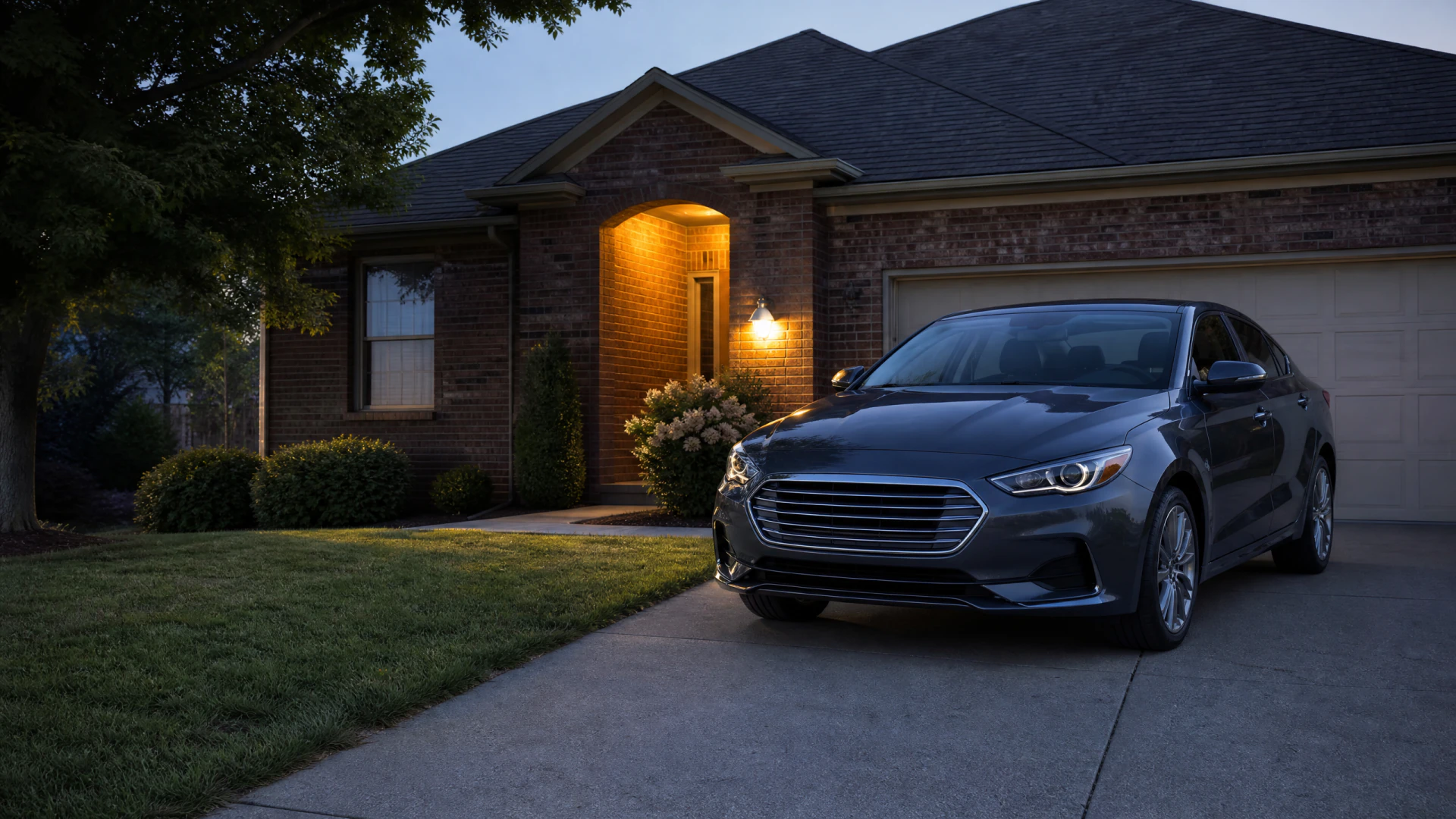
A sudden hail watch with nowhere covered to park
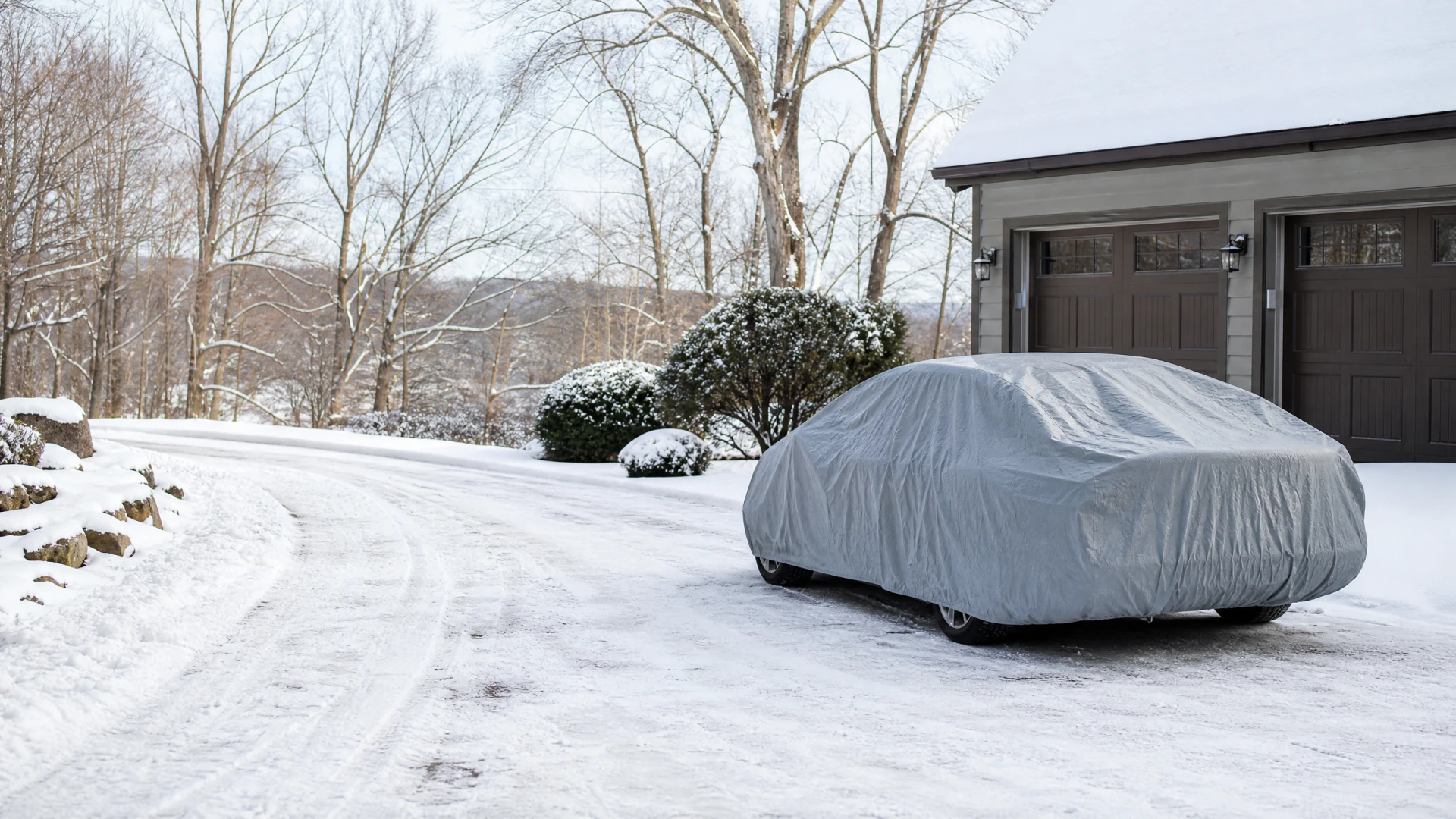
You get a hail warning on your phone with the car parked in the driveway and no garage available. You grab moving blankets from a recent move and a tarp you had for yard work, layering the blankets over the hood, roof, and trunk before securing the tarp on top with bungee cords stretched under the car and tied to the wheels.
The storm brings mostly small hail with a few larger stones mixed in. Afterward you find the blanket padding kept the paint mostly free of dents, but one larger hailstone got through near the edge of the tarp and left a small dent on the trunk, right where the coverage was thinnest. You file a claim through your car insurance, note that you'd taken steps to protect the car, and the small dent gets repaired. The experience also pushes you to check whether your new place has any covered parking option for next time.
A tarp lowers the odds of damage, it doesn't erase them. Where you park matters more.