Can I Put a Tarp Over My Car Before It Snows
Yes, a tarp is fine before snow, but it has nothing to do with what your car insurance covers or costs.
A tarp protects paint, not your policy
A tarp is a physical shield against snow, ice, and sap. It has no connection to your insurance. Your policy responds to events like collisions, theft, weather damage, and vandalism, not to whether you took a precaution like covering your car. Using a tarp doesn't earn a discount and skipping one doesn't void coverage.
Where a tarp does matter is in preventing the kind of damage you'd otherwise have to file a claim for, things like paint etching from sap and road salt, or a cracked windshield from ice buildup. Fewer claims over time can help your rates stay lower, but that's an indirect effect, not something an insurer tracks in the moment.
What changes your coverage is the comprehensive portion of your policy, which handles weather related damage like hail, falling branches, or ice. If you don't carry comprehensive coverage, a tarp becomes more important practically, since you'd be paying out of pocket for any snow or ice damage it could have prevented.
The tarp itself carries some risk if it's not suited for the job. A thin or poorly fitted tarp can trap moisture against the paint, scratch the finish when wind moves it around, or freeze stiff and became hard to remove. If you use one, it should be made for vehicles, fit snugly, and be checked after storms so it hasn't shifted or frozen in place.
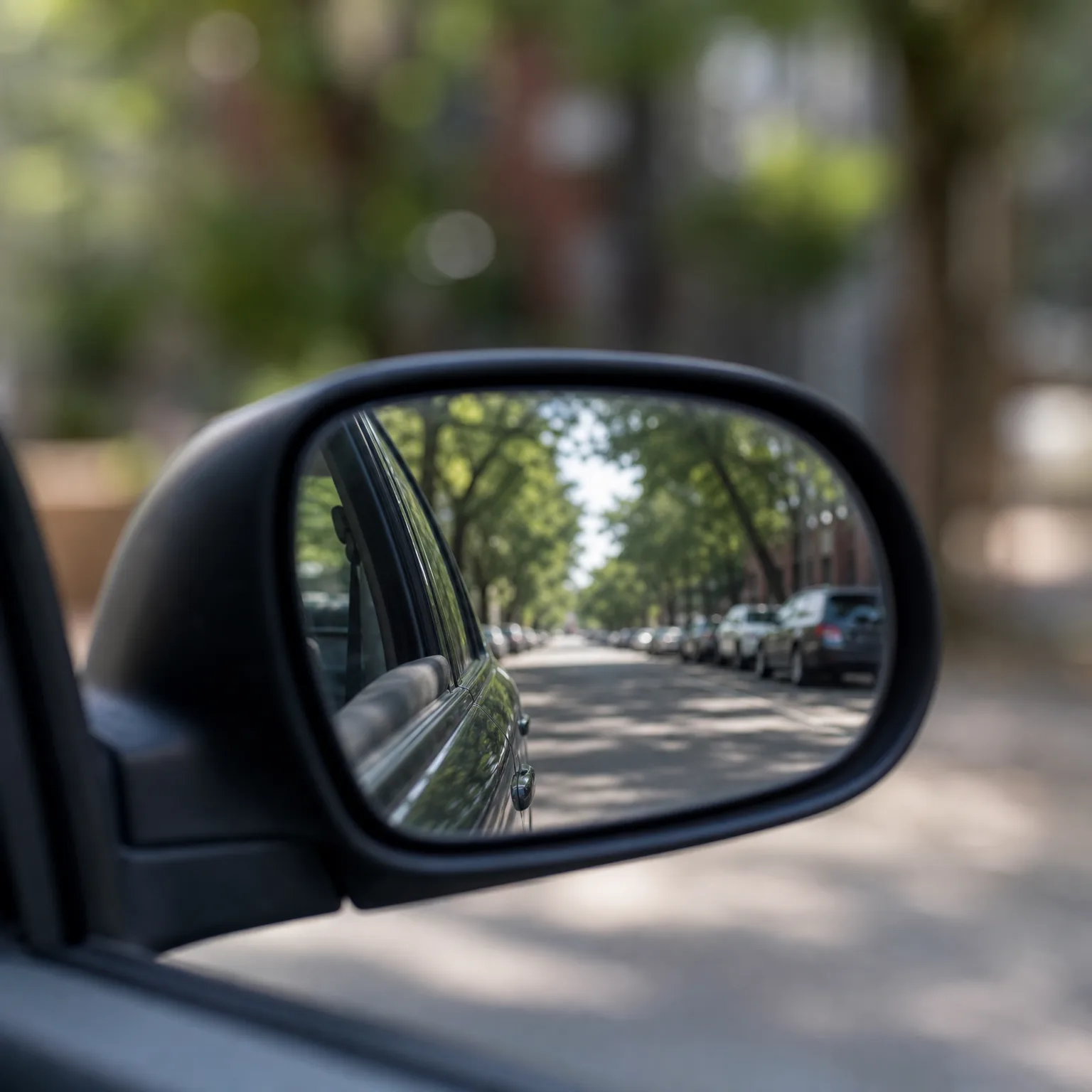
A driveway car facing its first real winter
You just moved somewhere colder and your car sits in a driveway instead of a garage. You buy a fitted car cover rated for snow, thinking it'll also help your insurance situation since you're now worried about winter damage claims. You put it on before the first storm and it holds up fine, keeping snow and ice off the paint and windshield.
When you check your policy afterward, you realize the tarp made no difference to your rate or your coverage. What mattered was that you already had comprehensive coverage in place, which would have paid for windshield or paint damage regardless of the tarp. The tarp saved you the hassle of scraping ice and the small risk of a cracked windshield, but your insurance decision was already made months earlier when you chose your coverage. You keep the cover for comfort and convenience, not because it affects your policy.

The tarp protects your car, but your comprehensive coverage protects your wallet. They're separate decisions.
Compare quotes now that you know comprehensive coverage, not a tarp, is what actually protects you from winter damage.
Does a tarp or car cover affect my insurance premium?
No, using a tarp or car cover has no direct effect on your premium. Insurers set rates based on factors like your driving history, location, vehicle, and coverage choices, not on whether you take protective steps like covering your car overnight.
The indirect link is through claims. If a tarp helps you avoid damage that would have otherwise led to a comprehensive claim, you avoid the possibility of a rate increase tied to that claim. But this isn't guaranteed and varies by insurer and by how claims history is weighed in your state. Check with your insurer if you want specifics on how claims affect your rate over time.

Will my insurance cover damage if snow or ice ruins my car cover?
Usually not, because damage to the cover itself typically isn't covered property under a standard auto policy. Your policy covers the vehicle, not accessories like covers or tarps. If the cover is destroyed while protecting the car, check your policy's definition of covered property, since some insurers treat permanently attached accessories differently than loose covers.
Does comprehensive coverage pay for snow or ice damage to my car?
Yes, comprehensive coverage typically pays for weather related damage like ice cracking a windshield or a branch falling under snow load. It's the part of your policy built for events outside your control, separate from collision coverage. Check your declarations page to confirm you carry it, since it's often optional and some drivers skip it on older cars.
Can snow or ice damage increase my insurance rate even if it's not my fault?
It can, because comprehensive claims still count as claims even when nothing you did caused the damage. Whether it actually raises your rate depends on your insurer's policies and sometimes your state's rules about weather related claims. Ask your insurer directly how they treat comprehensive claims before deciding whether to file one.