Storms and Your Car at Your New Home
Comprehensive coverage pays for storm damage to your car, but only if you carry it, and where you now park matters more than you think.
Storm coverage lives inside comprehensive, not liability
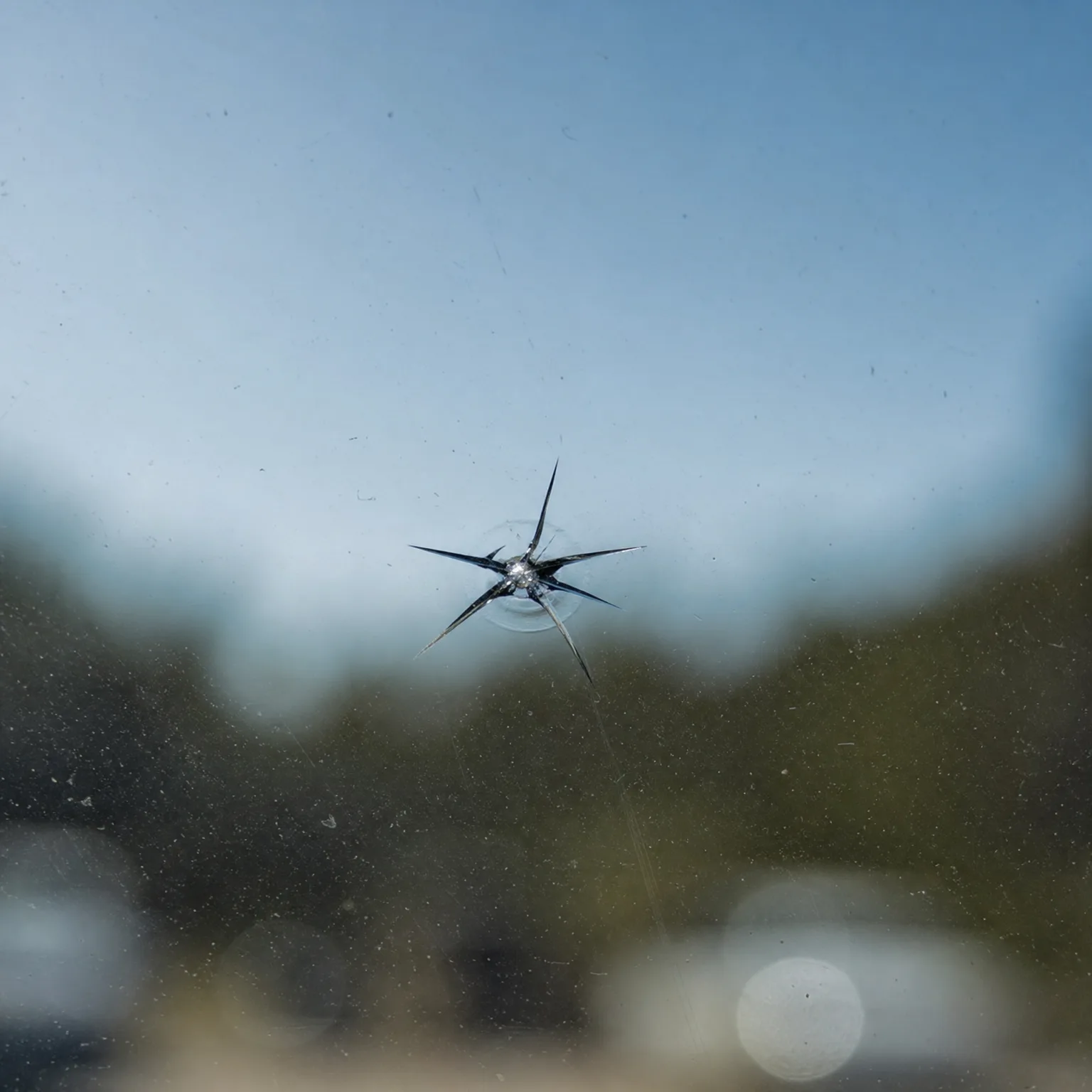
Car insurance splits into pieces, and the piece that pays for hail, flooding, falling branches or wind-blown debris is comprehensive coverage. Liability, which many states require, only pays for damage you cause to other people or their property. If your policy doesn't include comprehensive, a storm that cracks your windshield or floods your engine is your own expense, no matter how new your home is or how bad the weather got.
Your new address actually matters here. Insurers price comprehensive coverage partly on storm history, flood risk and hail patterns in your area, so a move across town or across state lines can shift your rate even if nothing else about you changed. Some regions also carry separate rules for named storms or require a specific deductible just for wind and hail, so it's worth checking your new declarations page rather than assuming it reads the same as your old one.
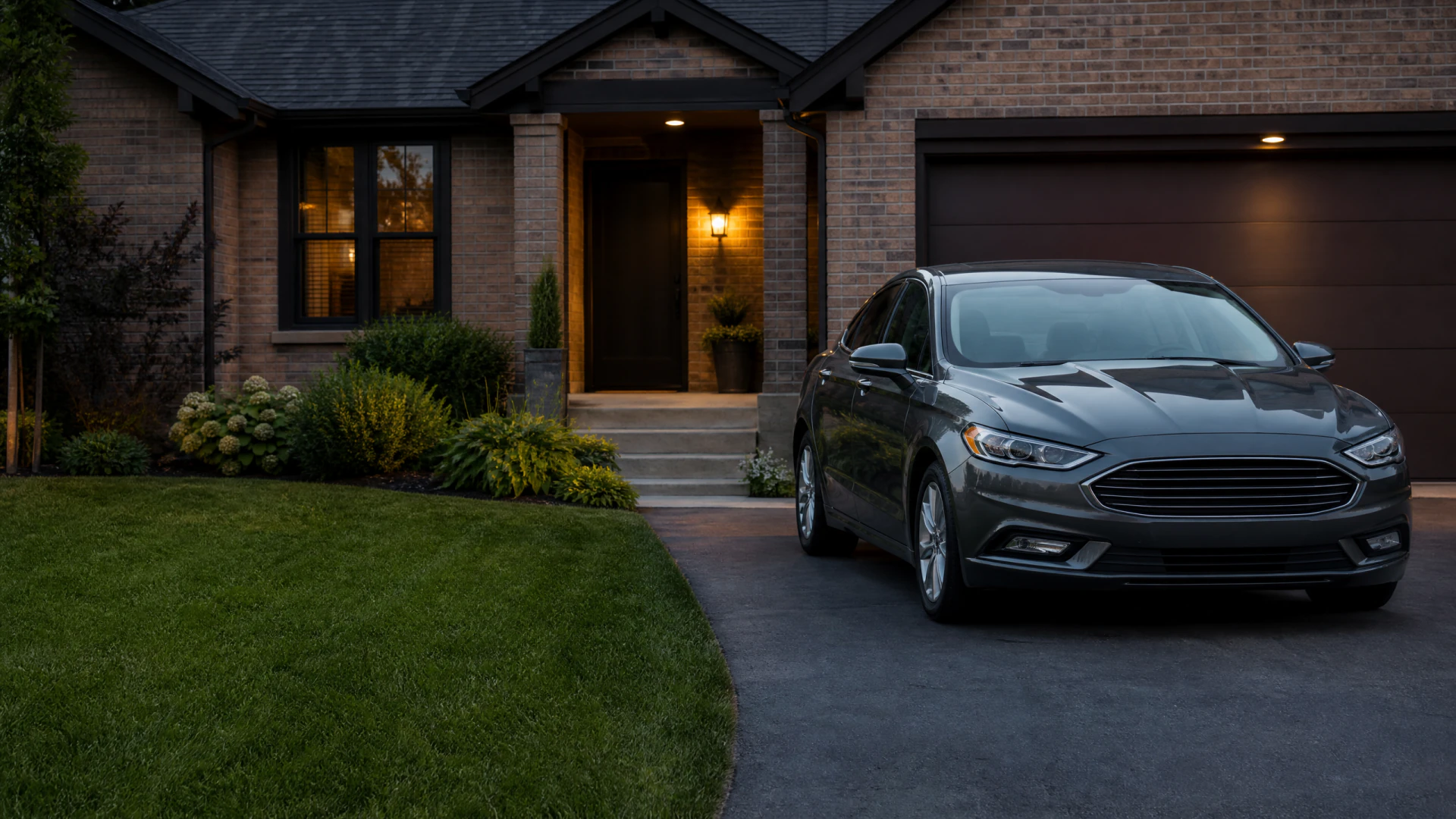
Where you park changes the math too. A garage doesn't change what's covered, but it can reduce how often you file a claim, because the car is shielded from hail and debris. Some insurers factor garaging into your rate, others don't weigh it heavily, so this is worth asking about directly rather than guessing.
The exception that trips people up is flooding. Water that rises and enters the car from the ground up is typically a comprehensive claim, not a separate flood policy like the one attached to your house. That distinction surprises a lot of new homeowners who assume their home flood policy, if they have one, extends to the car. It doesn't.
What to check before the next storm rolls in
- Confirm comprehensive is active This is the coverage that actually pays for storm damage. Look at your declarations page now, not after a storm, so you're not guessing under pressure.
- Check your deductible amount A higher deductible lowers your premium but raises what you pay out of pocket after a claim. Decide if that tradeoff still fits now that you have a mortgage too.
- Ask about garage parking credit If you now have covered parking, tell your insurer. Some factor this into pricing, and it costs nothing to ask.
- Update your address immediately Storm risk pricing is tied to location, and an outdated address means your quote doesn't reflect where the car actually sits. Fix this before any claim, not after.
- Review home and auto bundling Combining home and auto can simplify claims after a bad storm hits both. Ask what happens if you file on both policies in the same event.
Your home's storm coverage and your car's storm coverage are separate, and only one of them is optional.
Once you know your comprehensive coverage and deductible fit your new address, compare quotes to check the cost.
A hailstorm two months after moving in
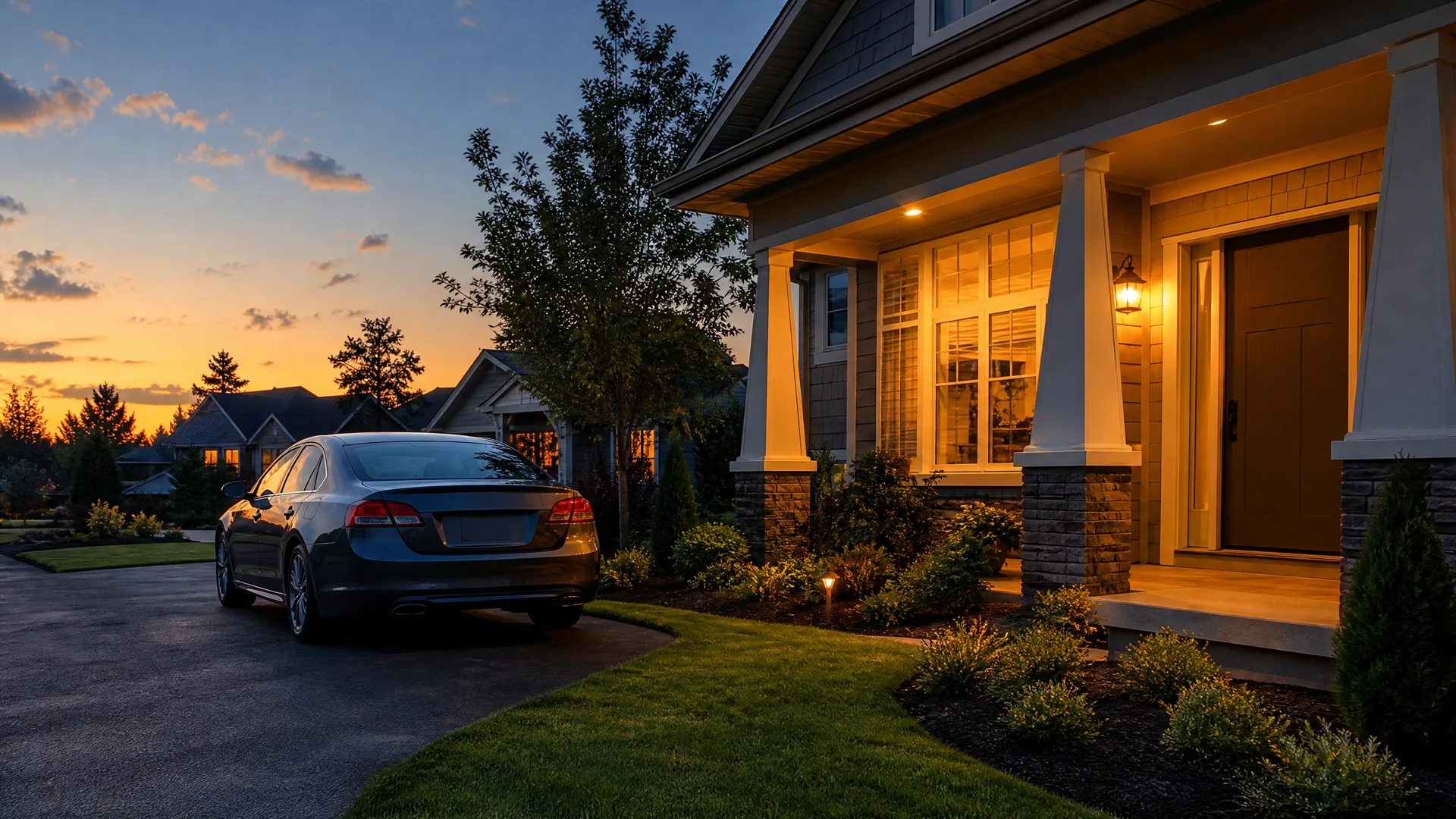
You'd just closed on the house and hadn't thought much about the car insurance beyond updating the address. A spring hailstorm rolled through one evening while the car sat in the driveway, since the garage was still full of moving boxes. The next morning you found dozens of small dents across the hood and roof.
You called your insurer, found out comprehensive was still active from your old policy, and filed a claim. The deductible applied, but the rest of the repair was covered. Afterward you cleared out the garage, asked your insurer whether garaging would lower your rate, and found out it would. You also checked your new declarations page and realized your deductible was higher than you remembered, so you adjusted it to something that matched your new budget. The next storm came a month later, and the car stayed untouched inside the garage.
Does homeowners insurance cover a car damaged by a storm?
No, homeowners insurance only covers the home and its structures, not vehicles parked on the property. Your car needs its own comprehensive coverage for storm damage. If you're unsure which policy applies after a storm, check your auto declarations page first, since that's where storm damage to the car is actually handled.
Is a falling tree branch on my car covered by insurance?
Yes, if you carry comprehensive coverage, since falling objects are a standard part of that coverage. Check your deductible, because that's what you'll pay before coverage kicks in. If the branch came from a neighbor's tree, your comprehensive claim still applies first, though your insurer may pursue reimbursement separately.
Should I raise my deductible after moving to a storm-prone area?
It depends on how often storms hit your new area and how much cash you'd have on hand for repairs. A higher deductible lowers your premium but raises your out-of-pocket cost per claim, which matters more if hail or wind events are frequent where you live now. Check local storm frequency and your savings cushion before deciding.