Does Car Insurance Cover Water Damage from Rain
Rain damage is covered only if you carry comprehensive coverage, since rain falls under weather, not collision.
A garage floods and the car sits in standing water
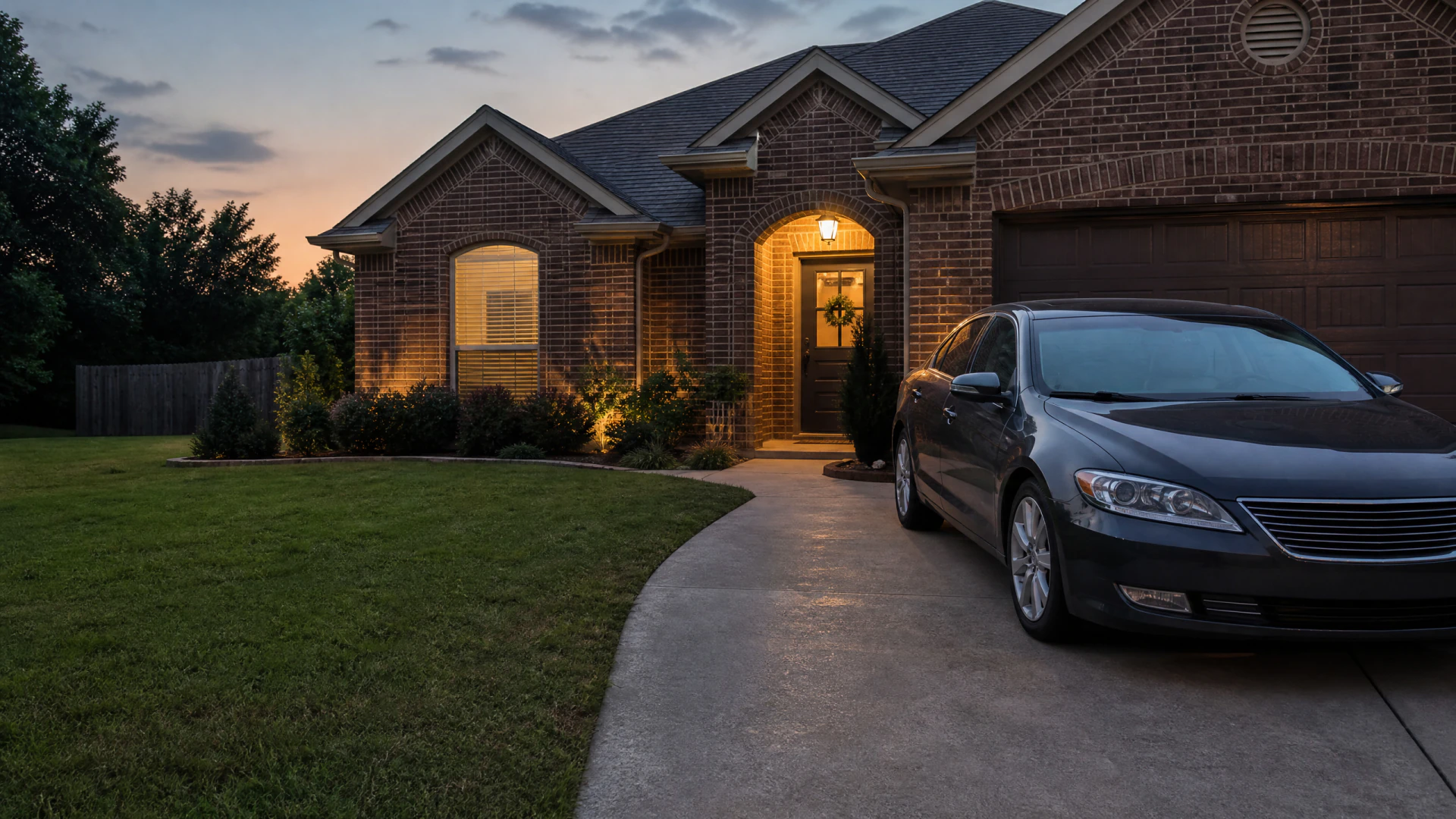
A new homeowner parks in the driveway overnight during a heavy storm because the garage is still full of moving boxes. Water rises enough to soak the floorboards and short out the electrical system. The car won't start the next morning, and a shop quote comes back high enough that replacing some components is cheaper than the car.
Because the policy included comprehensive coverage, carried over from before the move, the claim was accepted. The insurer treated it as weather-related damage, not an accident, so it didn't affect the policy the way an at-fault crash would. The owner paid the deductible and the rest was covered. If comprehensive had been dropped years ago to save money, this repair would have come entirely out of pocket.
Will filing a rain damage claim raise your rates?
It can, but usually less than a claim where you were at fault for hitting something. Comprehensive claims are generally viewed differently by insurers because weather isn't something you controlled, but a claim on your record can still factor into future pricing depending on the insurer and the state.
If the repair cost is close to your deductible, it's worth asking yourself whether filing is even worth it. Get a repair estimate first, compare it to what you'd pay out of pocket, and then decide. A quick call to ask how a claim like this would affect renewal, without filing yet, is a reasonable step before committing.

Carrying comprehensive coverage on your new policy
If you do
If a storm floods your car, backs up a drain near where you park, or drops a tree branch on it, you file a claim, pay your deductible, and the rest is covered. This matters more now that you have a driveway or garage you didn't have before.
If you don't
Rain, flood, or storm damage comes entirely out of your own pocket. A flooded engine or ruined electrical system can cost more to fix than months of premiums, and there's no coverage to fall back on once the damage is done.
Now that you know what covers rain damage, compare quotes to see what comprehensive coverage costs at your new address.

What actually determines whether you're covered
- Comprehensive coverage This is the specific coverage that pays for weather damage, not collision coverage. Check your declarations page for this line item, since it's easy to assume you have it when you don't.
- Your deductible amount You pay this amount before coverage kicks in, so small damage may not be worth filing for. Compare a repair estimate to your deductible before deciding whether to file a claim.
- Where you park now A new address with a garage, a flood-prone street, or more exposure to storms can change what coverage makes sense. Mention your new parking situation when you call to update your policy.
- What caused the damage Rain falling on your car is weather damage, but water pushed into your car by another vehicle could be treated as a collision. Explain exactly what happened when you file, since the cause affects which coverage applies.
- State and insurer rules Some states and insurers handle flood versus rain damage differently, especially in flood-prone areas. Ask your insurer directly how they classify the type of damage you're dealing with.
Why rain falls under comprehensive and not collision
Car insurance splits damage into categories based on cause, not based on how bad the damage is. Collision coverage pays for damage from hitting another car or object. Comprehensive coverage pays for nearly everything else, including weather, fire, theft, and animals. Rain falls into that second category because it's not something you caused by driving.
This split exists because insurers price risk differently depending on what's driving the claim. A collision is tied to how and where you drive. Weather damage is tied to geography and exposure, which is part of why your new address matters. A zip code with more storms, flooding, or hail history can shift what comprehensive coverage costs, even if the coverage itself works the same way everywhere.
Where this gets complicated is when water damage overlaps with another cause. If rain floods a road and another car pushes water into yours, that might be treated as a collision instead of a weather event, depending on how the claim is written up. If a storm knocks a tree onto your car, that's comprehensive, but if you drive into standing water because you misjudged the road, some insurers may look at that differently. The specifics depend on the insurer and sometimes the state, so when in doubt, describe exactly what happened and let the claims adjuster classify it rather than assuming.
The bigger point is that comprehensive coverage is optional unless your lender requires it, the same way your homeowners policy was required by your mortgage. If you own your car outright and dropped comprehensive to cut costs, that's a choice worth revisiting now that your parking situation has changed.
Comprehensive, not collision, protects against rain, and it's easy to assume you have it when you don't.