Who Pays for Storm Damage to Your Car
If you carry comprehensive coverage, your own insurer pays for storm damage to your car, minus your deductible.
What decides whether you're covered
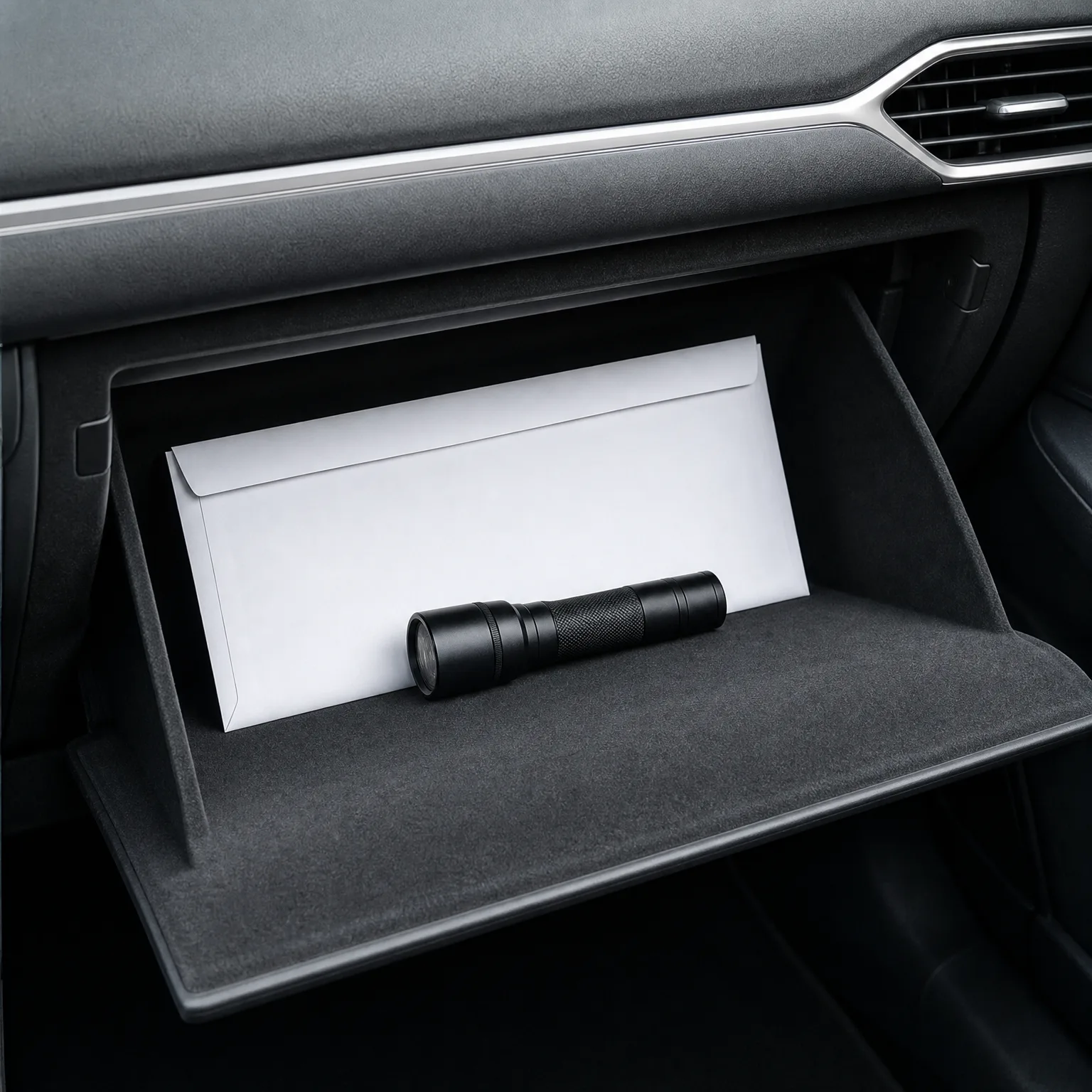
- Comprehensive coverage This is the part of your policy that pays for storm, hail, flood, and falling-object damage. Check your declarations page now, because if you dropped it to save money, storms aren't covered at all.
- Your deductible amount You pay this amount before your insurer pays anything on a storm claim. If it's high relative to what repairs would cost, filing a claim may not be worth it.
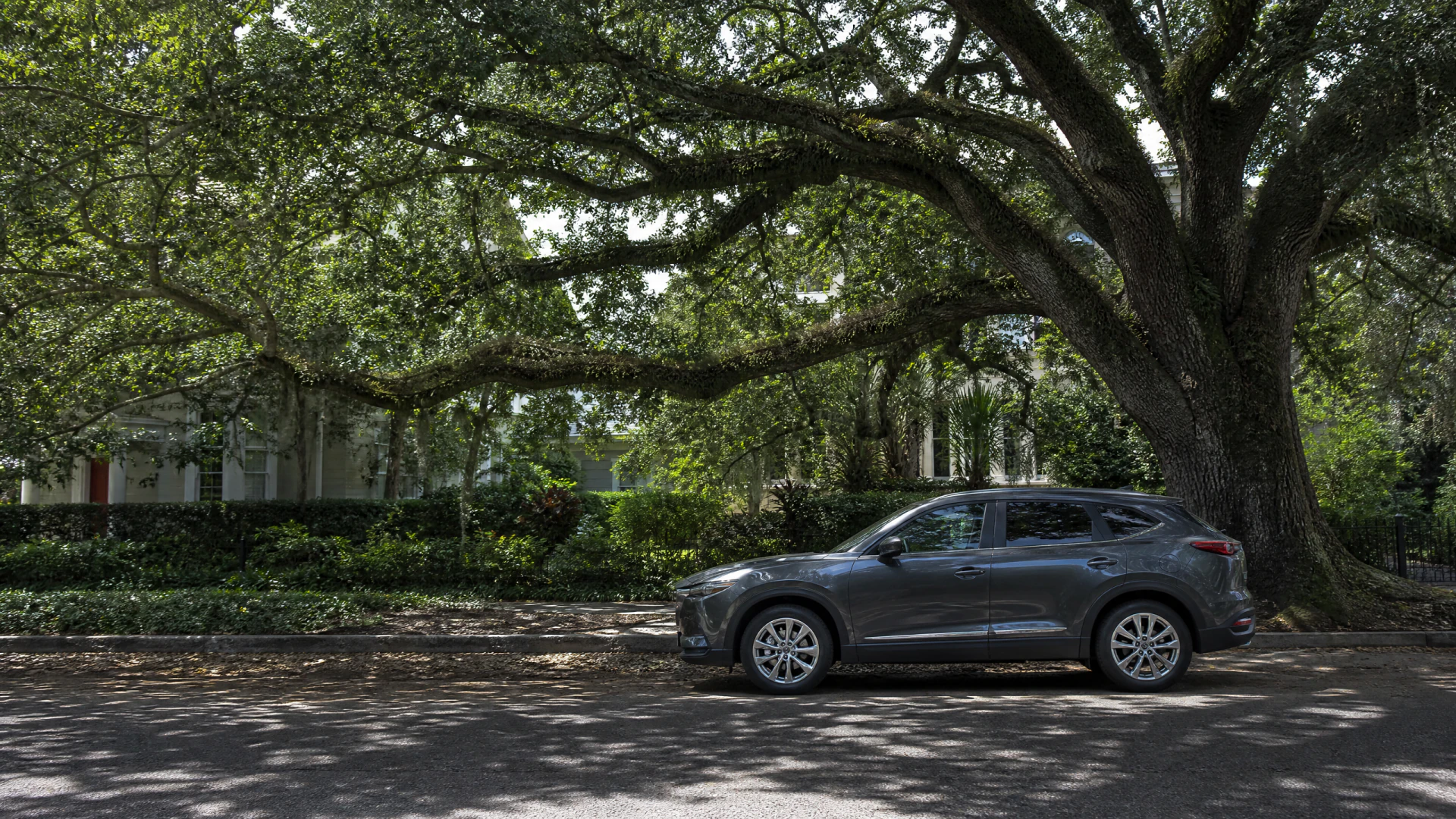
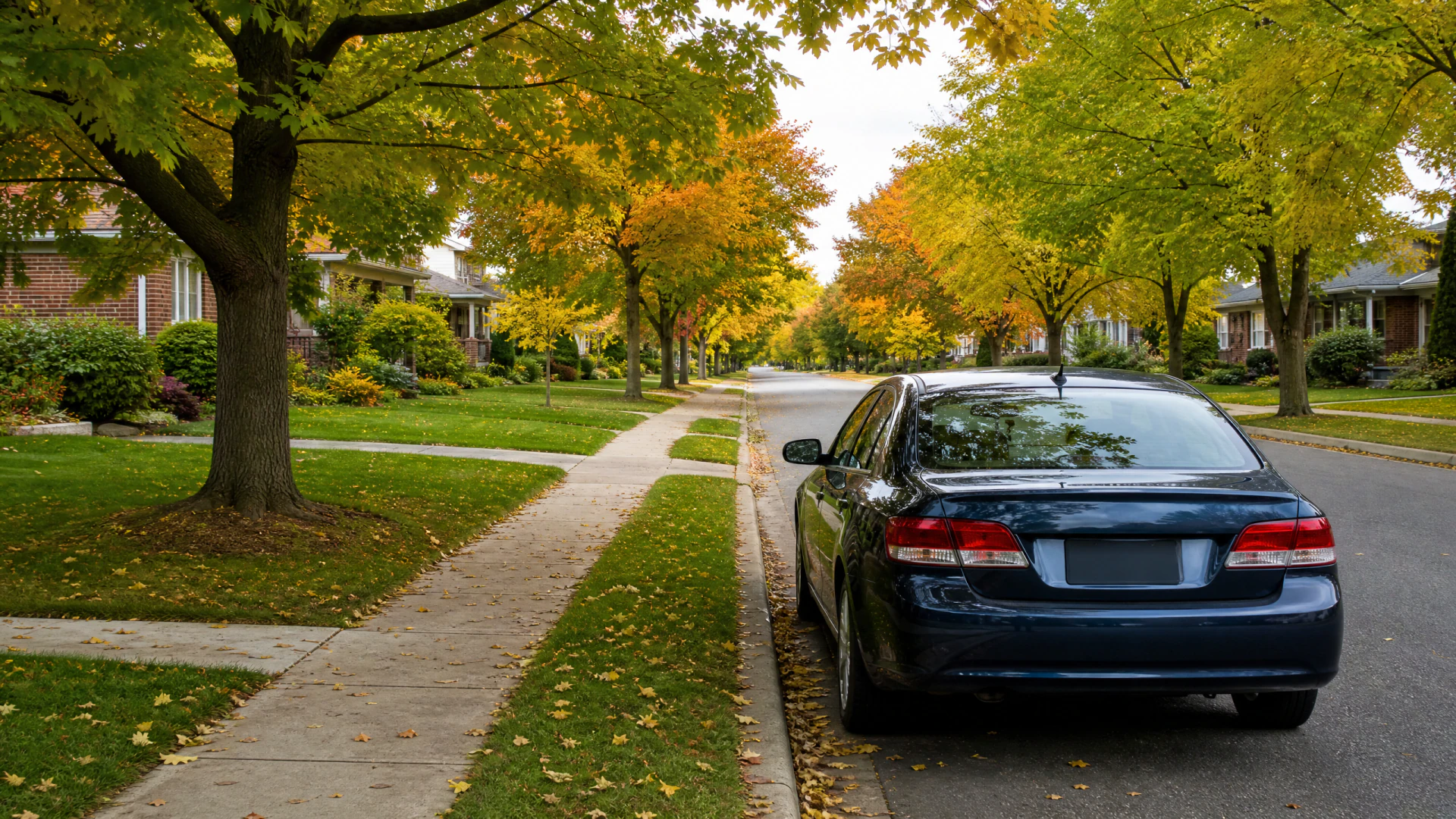
- Where the car was parked Garaged cars usually take less damage than street-parked ones, and some insurers ask where you typically park when you set your rate. Update this if your new home changed it.
- State-specific storm rules Some states have separate deductibles for named storms or hail. Check your policy wording or ask your insurer directly, since this isn't universal.
- Other drivers' insurance The other driver's liability coverage never pays for storm damage, since no one caused the storm. Don't expect a claim against anyone else.
The short version
Comprehensive coverage pays for storm damage to your car, not liability coverage, and only if you carry it. You pay your deductible first, then your insurer covers the rest. Check your declarations page today to confirm you have comprehensive, and raise it if your new garage or location lowers your risk.
Is comprehensive coverage worth adding after a move?
Often yes, especially if your new area has more trees, hail, flooding, or street parking than your last one. The math is simple. Compare the yearly cost of adding comprehensive against what you'd pay out of pocket to repair or replace your car after a storm.
If your car is older and worth little, comprehensive may cost more over time than the car is worth, and some owners skip it for that reason. If your car is newer, financed, or leased, your lender likely requires comprehensive anyway, so the decision is already made for you.
The other factor is your own tolerance for risk. A low deductible costs more monthly but protects you more after a bad storm. A high deductible costs less now but means a bigger bill if your car gets hit. Neither is wrong, but pick the one that matches your savings, not your optimism.
Now that you know what covers storm damage, compare quotes to see what that protection actually costs.

Whether you add or keep comprehensive coverage
If you do
A storm damages your car and you file a claim. You pay your deductible, your insurer covers the repair or replacement up to your car's value, and your rate may rise slightly at renewal depending on your insurer's rules. You're back on the road without paying full repair costs yourself.
If you don't
A storm damages your car and you pay for every bit of the repair yourself, from a cracked windshield to a totaled engine. If the damage costs more than the car is worth, you're left without a car and without compensation. Nothing from your insurer helps, since liability coverage doesn't apply here.
Why storm damage falls outside normal accident coverage
Car insurance splits into coverages that each answer a different question. Liability coverage exists to pay for damage you cause to someone else. Collision coverage pays for damage from hitting another car or object. Comprehensive coverage is the catch-all for damage that isn't caused by driving at all, which is exactly where storms, falling branches, hail, and flooding land. A storm isn't an accident caused by you or anyone else, so the coverages built around fault don't apply.
This is why having full coverage from your lender doesn't automatically mean you're protected the way you assume. Lenders require comprehensive and collision together, often called full coverage, specifically because they want the car protected from every angle while they still have a financial stake in it. Once the loan is paid off, some owners drop comprehensive without realizing they've removed their only protection against weather.
Where this plays out differently is in how insurers and states handle major storm events. Some states treat named storms or hail as their own category with a separate deductible, usually higher than your normal one. This isn't universal, so you have to check your policy or ask directly rather than assume your regular deductible applies in every case.
The other variable is timing. If a storm is forecast and you buy comprehensive coverage the day before it hits, most insurers won't cover damage from that specific storm, since the point of insurance is protecting against the unknown, not against something already on the radar. Buying coverage before you need it, not after, is the only way it works as intended.