How to Make a Hail Guard for Your Car
A thick, padded cover or a dedicated carport blocks most hail damage, and your parking spot matters just as much as the material.
What actually protects your car from hail
- Padded cover over bare tarp A quilted or foam-lined car cover absorbs impact instead of just blocking rain. A thin tarp will flap and bruise paint just as hail can, so check for cushioning, not just coverage.
- Park under hard shelter first A garage, carport, or parking structure beats any cover you can buy. If you have a garage sitting empty while cars stay in the driveway, that's the cheapest fix available to you.
- Soft options for tight budgets Moving blankets, pool noodles taped to door edges, or foam panels across the windshield work in a pinch. They're not permanent solutions, but they help during a single storm warning.
- Secure it so wind can't lift it Straps or weighted edges matter, since a cover that blows off helps no one. Check that your chosen cover has anchor points or buy a separate strap kit.
- Garaging can affect your premium Insurers sometimes ask whether your car is garaged overnight, and this can factor into your rate. Check with your insurer whether updating this detail changes anything for you.
The short version
A padded car cover or any hard shelter, even a carport, stops most hail damage, and parking matters more than the material you choose. Start by checking what shelter you already have access to before buying anything. Then look at whether your insurer needs to know you're garaging the car now.
A driveway car facing its first storm season
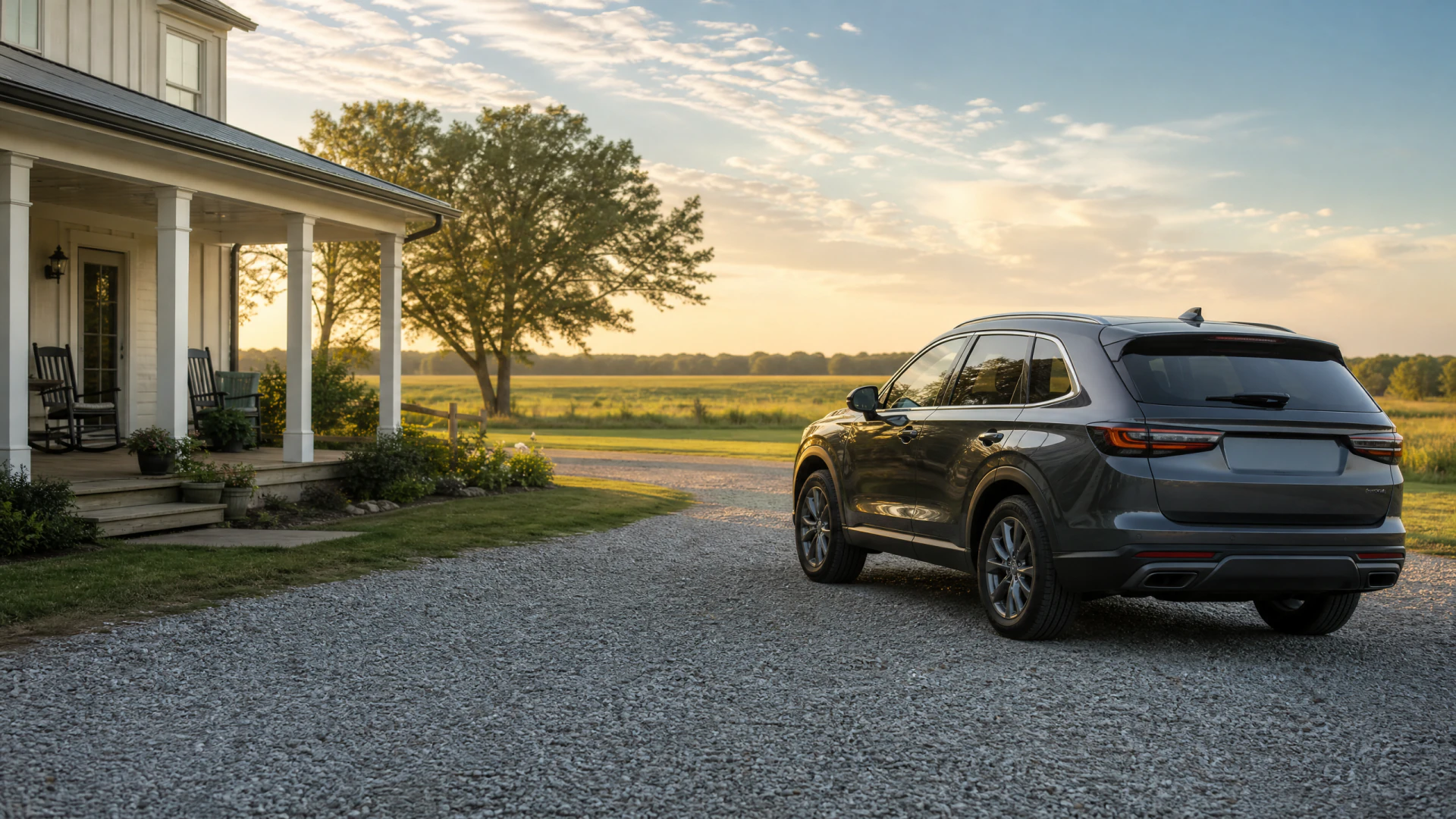
Say you just moved somewhere that gets regular hail, and your car has been sitting in the driveway since you moved in. You check the garage, which is currently storing boxes and an old bike, and realize it could fit the car if you cleared it out. You spend an afternoon moving things around and start parking inside at night.
For the nights you're away or the garage isn't an option, you buy a padded cover with strap anchors, since you read that thin covers don't do much against real hail. The first storm hits a few weeks later. Your neighbor's uncovered car gets dented hood and roof damage, while yours is untouched because it was in the garage that night. You also call your insurer to update that the car is now garaged, since you'd set up the policy before the move and never mentioned it.
Now that you know how to protect your car, compare quotes to see if garaging it changes your rate.
Why shelter beats any cover you can buy
Hail damage happens because ice hits a hard surface at speed with nothing to absorb the impact. A padded cover works by creating a cushioned layer, similar to padding on a shipping box. It doesn't stop the hail, but it spreads the force out so a dent doesn't form. A bare tarp or thin cover doesn't do this, which is why so many people assume their cover is protecting the car when it isn't actually absorbing anything.
Hard shelter works differently. A garage, carport, or covered structure removes the exposure entirely, so there's no impact to absorb in the first place. This is why shelter is always the stronger option when it's available, even if it means moving things around or paying for structure access somewhere else.
Where this gets complicated is when you don't have reliable access to either option, for example street parking with no carport nearby. In that case, soft solutions like blankets or foam panels become more important, even though they're meant to be temporary. The goal shifts from prevention to damage reduction, which is a different bar to clear.
Insurers care about where you park because it affects risk, and garaging can sometimes factor into what they quote you. This varies by insurer and by state, so it's worth checking directly rather than assuming your policy already reflects how you park now, especially if your parking situation changed when you moved.

Does garaging my car actually lower my insurance cost?
It can, but it depends on your insurer and sometimes your state, so there's no single answer that applies to everyone. Garaging reduces certain risks insurers price for, like theft or weather damage, so some insurers factor it into what they quote. Others may not ask about it at all, or may weigh it differently depending on where you live.
The only way to know for sure is to tell your insurer your current parking situation and ask directly whether it affects your rate. This matters most if you moved recently and your policy still reflects an old address or an old parking setup, since that's the kind of detail that can go unnoticed for years unless you bring it up yourself.