Why Do Car Insurance Rates Fluctuate
Your rate moves because the risk you represent to an insurer keeps moving too, and your address just changed that math.

These are the forces behind every rate change
- Your address A new zip code means different accident rates, theft rates, and repair costs around you. Check how your new area compares to your old one before you assume your rate should drop.
- Claims near you Insurers adjust prices based on what they're paying out in your area, not just your own driving. This is out of your control, but it's worth asking an agent if your area has seen recent increases.
- Where the car sleeps A garage or driveway instead of street parking can lower your rate because it lowers theft and damage risk. Tell your insurer where the car is actually kept now that you've moved.
- Bundling with your home policy Combining home and auto often brings a lower combined price, but not always, so it only helps if you check both separately too. Ask for the bundled price and the standalone price side by side.
- How often you shop Rates creep up over time even if nothing about you changed, because insurers rely on people not comparing. Reshopping every so often is the only way to know if you're still getting a fair price.

The short version
Rates fluctuate because insurers constantly reprice risk, and your risk just changed with your move, your address, your parking situation, and possibly your coverage needs. The main reason is that insurers adjust to claims patterns and local risk, not just your personal history. Compare quotes now that your situation has actually changed.
Will my rate go up or down after moving into my new home?
It depends on specifics, not on the fact that you moved. A quieter street, a garage, and a lower-theft area can all push your rate down. A busier area, street parking, or a region with more claims can push it up, even if you drive exactly the same as before.
The only way to know is to get your policy updated with the new address and see the real number, then compare that against quotes from other insurers. Don't assume moving to a nicer house means a lower rate. Rate decisions are based on risk data for that specific location, not on home value or neighborhood reputation in a general sense.
Compare quotes now that you know what's really driving your rate.

A couple moves from an apartment to a house with a garage
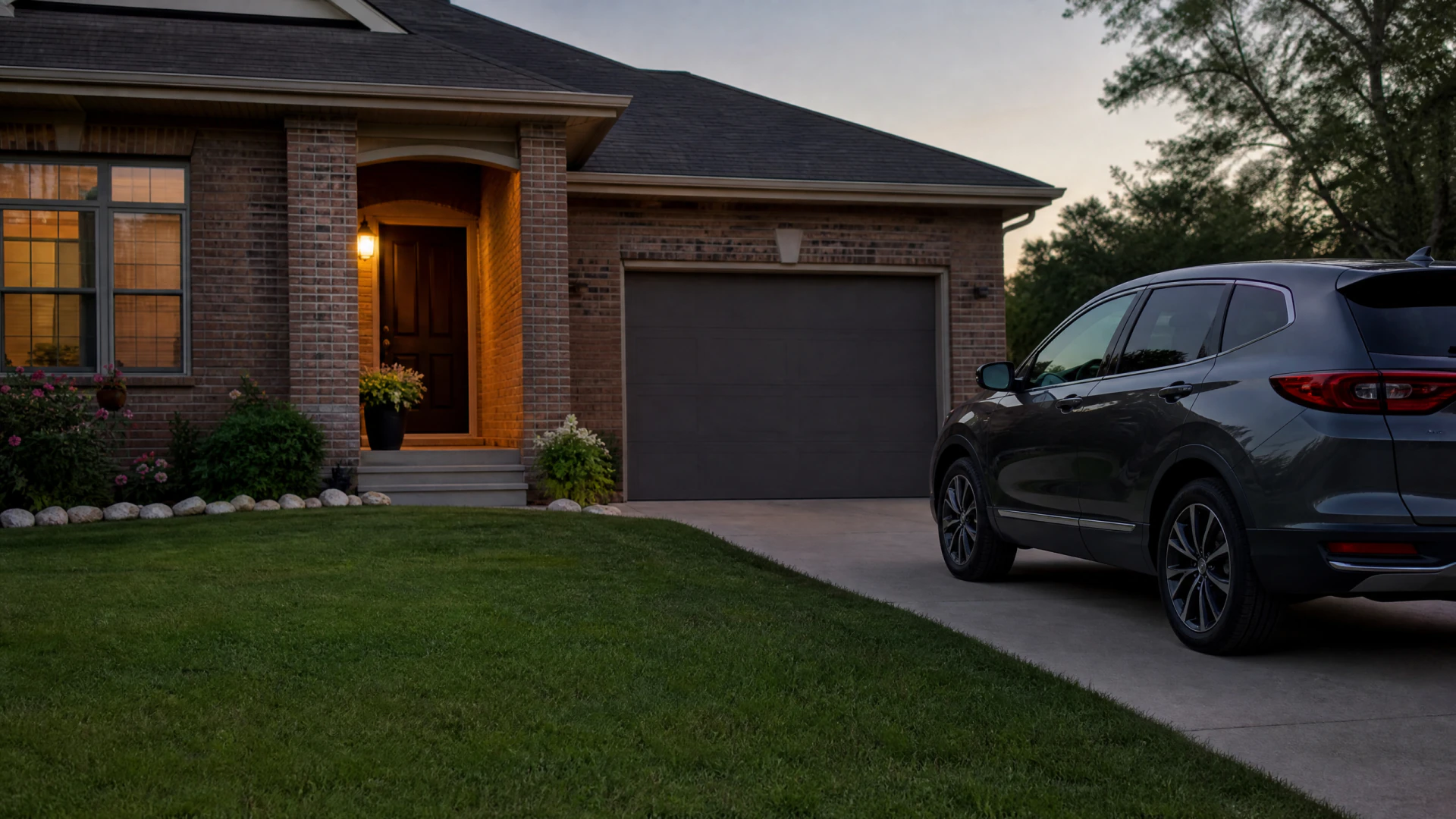
A couple had been renting an apartment downtown, parking on the street, and paying whatever their insurer quoted years ago without a second look. When they bought a house in a quieter suburb with an attached garage, they called their insurer just to update the address because the lender required proof of coverage. The agent asked where the car would be parked overnight, and when they said garage instead of street, the quote came back lower than before.
They didn't stop there. Since they were already touching the policy, they asked about combining it with their new homeowners policy, and got a bundled price to compare against keeping the policies separate. The bundled option came out slightly ahead, but only because they checked both. They also asked their new insurer how their suburb compared to their old zip code for claims, out of curiosity, and found out their new area had meaningfully fewer accidents reported, which was part of why the number dropped. They ended up saving money without changing a single thing about how they drove.
Why your rate keeps moving even when you don't change anything
Insurance pricing isn't a fixed number assigned to you personally. It's a constantly updated estimate of how likely you are to file a claim and how much that claim would cost, based on data that keeps shifting underneath you. Your driving record matters, but so does everything happening around you, like how many accidents, thefts, and weather events are hitting your area, how expensive local repairs have gotten, and how many other drivers in your zip code are filing claims.
That's why a move changes things even if your car, your driving habits, and your record stay identical. You've swapped out most of the variables that go into the estimate. A different commute distance, a different parking situation overnight, and a different concentration of claims nearby all get recalculated the moment you update your address, because insurers price location specifically, not generally.
Rates also drift over time independent of any single event. Insurers periodically revise their pricing models based on broader trends, and they don't always apply those revisions evenly to existing customers the way they do to new ones. This is why staying with the same insurer for years without checking anything can quietly cost you more, even though nothing about your personal risk changed. The fluctuation isn't random, it's just happening at a level you don't usually see.
There are cases where your own actions directly move the number too, like adding a driver, changing how much you drive, or raising or lowering your coverage limits. Those are the parts you control directly. Everything else is the insurer reacting to the environment you're now part of, which is exactly what changed when you bought this house.
Should I raise my coverage limits now that I own a home?
Yes, it's worth considering, because owning a home gives you more to protect if you're ever sued after an accident. Higher limits cost more, but they close the gap between what a standard policy pays out and what you could actually be on the hook for. Check your state's minimum requirements, then ask your insurer what moving to a higher limit would add to your premium before deciding.
Does adding my spouse to the policy change the rate?
It depends on their driving record and history, not just the fact that you're now married or living together. A second driver with a clean record can sometimes lower the per-car average, while one with recent incidents can raise it. Ask your insurer to quote it both ways, with and without them added, so you're comparing actual numbers instead of guessing.
Is it worth switching insurers instead of just updating my current one?
It's worth checking, because your current insurer updating your address doesn't guarantee you're getting their best possible price. Other insurers may weigh your new location, your bundling options, or your claims history differently. Get a few comparison quotes with your updated details before renewing, since the only way to know if you're overpaying is to see what else is out there.