Is It Safe to Park in a Parking Garage
Parking garages are safe for the vast majority of drivers, and the small risks they carry are ones your policy already covers.
What actually determines your risk in a garage
- Tight columns and ramps Scrapes and dents from narrow turns are the most common garage claim. Go slow, use your mirrors, and park a little farther from columns if you can.
- Theft and break-ins Garages that are well lit and have cameras or staff tend to see fewer break-ins than ones that don't. Keep valuables out of sight regardless of where you park.
- Comprehensive versus collision Collision covers you hitting a column, but theft, vandalism, and a falling object need comprehensive. Check that you actually have it, not just collision.
- Who parks next to you Most garage dents come from other people's doors and bumpers, not your own driving. A dash cam or a spot away from the elevator can reduce this.
- Know your deductible A small scrape might cost less to pay out of pocket than to claim. Know your deductible before you decide whether to file anything.

The short version
Parking garages are safe, and the main risks are minor dents and occasional theft, both of which comprehensive coverage typically handles. Make sure you carry comprehensive, not just collision, and know your deductible so you can decide quickly if something happens. Then park a little more carefully around columns and tight corners.
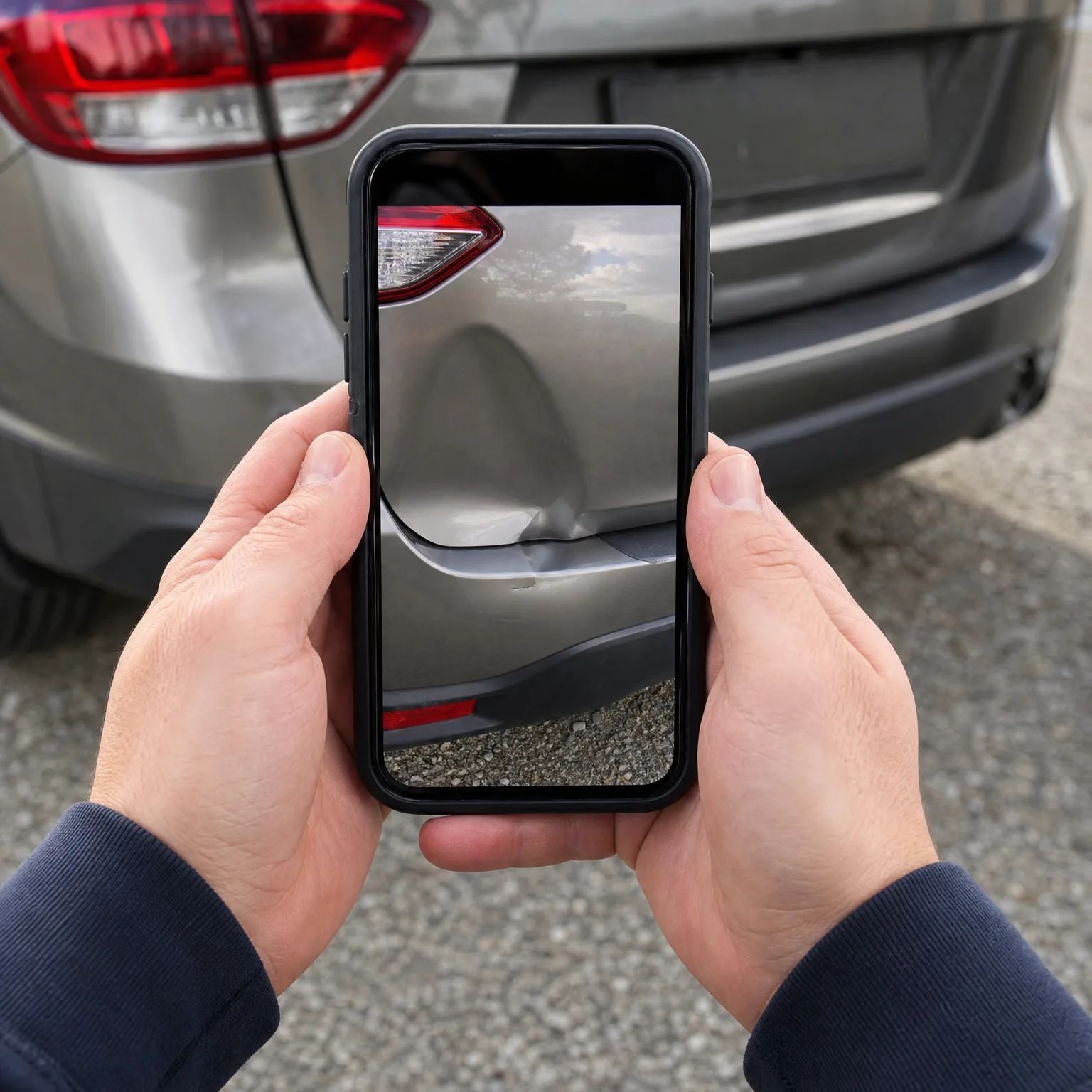
A dented door with no idea who did it
You come back to your car after a shift and find a long scrape along the passenger door. No note, no witness, nothing on your dash cam because you didn't have one. The garage has cameras but the angle didn't catch your row.
You check your policy and confirm you have comprehensive, since this wasn't a collision with another moving car and nobody admitted fault. You call your insurer, they treat it as a comprehensive claim, and you pay your deductible to get the door fixed. Afterward you ask the garage if they'd consider adding a camera on your row, and you start parking closer to the stairwell where there's more foot traffic and fewer blind spots.
If you're confident your coverage fits how and where you park, compare quotes now and see what you'd pay.

Whether you check for comprehensive coverage before you need it
If you do
You know exactly what's covered if someone dents your door or a window gets smashed. When it happens, you're not stressed about whether you're covered, you just file the claim, pay your deductible, and move on. You also know what your deductible is, so you can decide fast whether it's even worth filing.
If you don't
You find out what you have only after something happens, and sometimes that's the moment you learn collision alone doesn't cover theft or a falling object. You end up paying the full repair yourself, or scrambling to understand your policy while a repair shop waits for an answer.
Why garages are safer than people assume, and where that changes
Garages concentrate a lot of cars in a small space, which sounds risky, but it also means more structure, more surveillance in many cases, and slower speeds than an open lot or street. Most of what happens in a garage is minor, a scrape from a tight turn or someone else's door, not the kind of serious collision that happens at higher speeds outside.
The real risk profile of a garage is less about driving and more about what's parked and left behind. Break-ins happen more often in garages that are poorly lit, rarely monitored, or empty for long stretches, like overnight hospital or office garages. A busy shopping center garage during the day looks very different from an empty one at midnight, even if it's the same structure.
This is also why coverage matters more than instinct here. Collision coverage handles you hitting something or something hitting you while driving. It doesn't handle a break-in, vandalism, or a falling light fixture, which is why comprehensive is the piece that actually protects you in a garage. If you only carry collision, the garage itself hasn't changed your risk, but your policy hasn't caught up to it either.
Where this changes is based on the specific garage, not garages in general. A garage with assigned spots, cameras at every level, and regular staff presence behaves differently than an unattended structure with no monitoring. If you park in the same garage daily, it's worth noticing which one you have, because that tells you more than any general rule about garages.
Does parking in a garage lower my insurance rate?
It can, because some insurers consider off-street parking lower risk than street parking, but it depends on the insurer. Check with your agent or policy details whether garage or covered parking is something they ask about or factor in. If they do, you may need to confirm it when you update your address or policy. If they don't ask, it won't change your rate just because you mention it.
What should I do if my car is damaged in a garage and no one left a note?
File it as a comprehensive claim if the damage wasn't caused by your own driving, since there's no other driver to pursue. Check the garage for camera footage first, even if your own dash cam didn't catch it, since they may have an angle you don't. Report it to garage management as well, since repeated incidents in one spot might get them to add cameras or lighting, which also helps future claims.
Is a parking garage safer than street parking for theft?
Generally yes, especially if the garage has lighting, cameras, or staff, since those deter break-ins more than an open street does. But an unmonitored, empty garage overnight can be just as exposed as a quiet street, so check the specific garage rather than assuming garages are automatically safer. If you're choosing between options, look for visible cameras, activity, and lighting over just having a roof.