Will Insurance Cover Car Break-Ins
If you carry comprehensive coverage, a break-in is covered, but what's stolen from the car often isn't the same as the car itself.
Why break-ins fall under comprehensive, not liability
Car insurance splits into categories based on what caused the damage. Liability only pays for harm you cause to other people or their property, so it has nothing to do with a break-in. Comprehensive is the category that covers things that happen to your car when you're not driving it, like theft, vandalism, fire, or weather. A break-in falls squarely into that bucket, which is why having comprehensive on your policy is the deciding factor, not any special "theft" add-on.
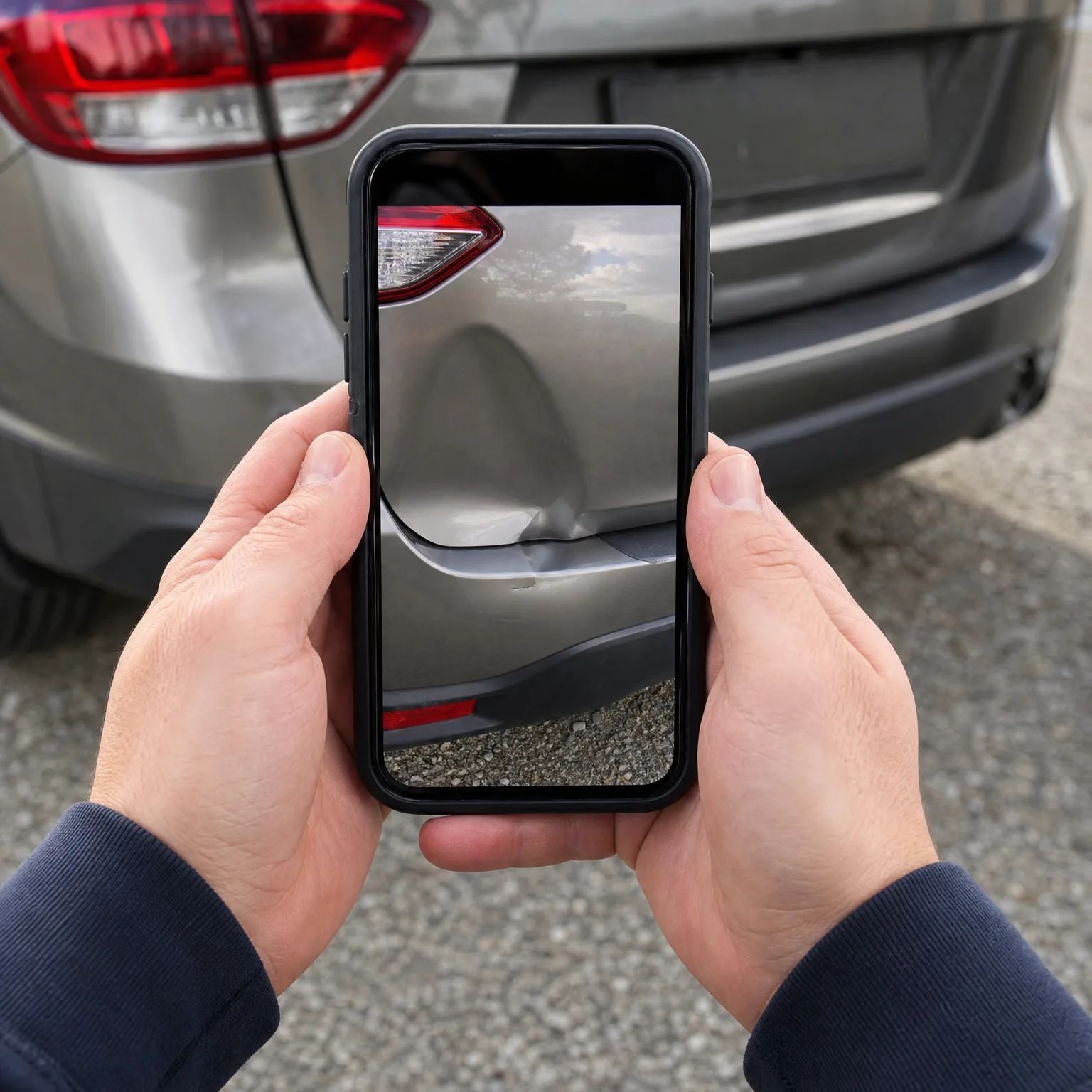
What comprehensive pays for is damage to the vehicle itself. That means a smashed window, a forced door lock, a damaged ignition column, or a slashed convertible top. The logic is that your car insurance exists to protect your car, not everything you happen to store inside it. So the radio bolted into the dash is covered, but the laptop bag sitting on the seat generally is not.
Personal items stolen from inside the car are usually a homeowners or renters insurance matter instead. That feels backwards to a lot of people, since the theft happened at the car, but the policies are built around what kind of property was taken, not where it was taken from. If you don't have renters or homeowners coverage, those stolen personal items may end up being an out of pocket loss no matter what your car policy looks like.
There are cases where it plays out differently. Some insurers draw the line on built-in equipment differently, and some policies have separate limits or exclusions for things like custom stereo systems or aftermarket parts. State rules can also affect how claims like this are handled, so it's worth checking your specific policy language rather than assuming the general pattern covers your exact situation.
Is it worth filing a claim for a break-in?
It depends on how the repair cost compares to what you'd pay out of pocket before coverage kicks in. If the damage is minor, like a small window crack, paying for it yourself can leave you better off than filing, since a claim can affect future pricing even when you're not at fault for what happened.
If the damage is significant, like a broken ignition system or a damaged door frame, filing usually makes sense because the repair cost outweighs the downside. Before deciding, get a repair estimate first. That number, compared against what you'd owe before coverage starts, is what actually tells you whether filing helps you or costs you more in the long run.
The coverage that protects your car and the coverage that protects what's inside it are not the same thing.
Now that you know what a break-in actually covers, compare quotes with comprehensive coverage matched to your car.

A window smashed overnight outside an apartment
Someone parked on the street overnight and came out to a shattered passenger window and a missing backpack with a laptop inside. Their first instinct was to call their car insurer about everything at once, the window and the laptop together, since it all happened in the same incident.
The car insurer confirmed the broken window was covered under comprehensive, but explained the laptop wasn't something a car policy would pay for. The reader also had renters insurance from when they'd set it up years earlier, so they called that insurer separately and filed for the stolen laptop. The window got fixed quickly through the car claim, and the laptop was reimbursed through the renters policy after they provided a receipt and a police report. Splitting the claim between two policies felt like extra work at first, but it meant both losses actually got paid for instead of one being ignored.

Does filing a break-in claim raise my car insurance rate?
It can, even though the break-in wasn't your fault, because comprehensive claims still factor into how insurers price risk going forward. The effect usually depends on your claim history and how your specific insurer weighs non-fault incidents. Check your policy or ask your agent how comprehensive claims are treated before filing, since this varies by insurer. If the repair cost is close to what you'd pay out of pocket anyway, that's often what tips the decision toward not filing.
What's the deductible for a comprehensive claim after a break-in?
It's whatever deductible you chose when you set up comprehensive coverage, and it applies before the insurer pays anything. Many people set this years ago and forget it, so it's worth checking your declarations page to see the actual number. If you recently moved or changed cars, this is a good moment to confirm the deductible still fits your budget, since a high deductible can make small claims not worth filing at all.
Will insurance cover a stolen catalytic converter?
Yes, if you carry comprehensive coverage, since theft of a car part is treated the same way as theft of the whole vehicle. This has become a common claim type in many areas, so insurers are used to handling it. What varies is whether your policy or state has any special handling for this specific kind of theft, so ask your insurer directly if you want to know what documentation they'll need.