Damage to Your Car at Home
Damage at home is usually covered by the same comprehensive or collision coverage that protects your car anywhere else.
What actually determines whether damage at home is covered
- Comprehensive covers home events Falling branches, hail, fire, theft and vandalism at your house are typically comprehensive claims, not collision. If you dropped this coverage to save money, check whether it's back on your policy now that you own the place.
- Collision covers hitting things Backing into your own garage door or scraping a post in the driveway falls under collision, not comprehensive. If you only carry comprehensive, that kind of damage would come out of your pocket.
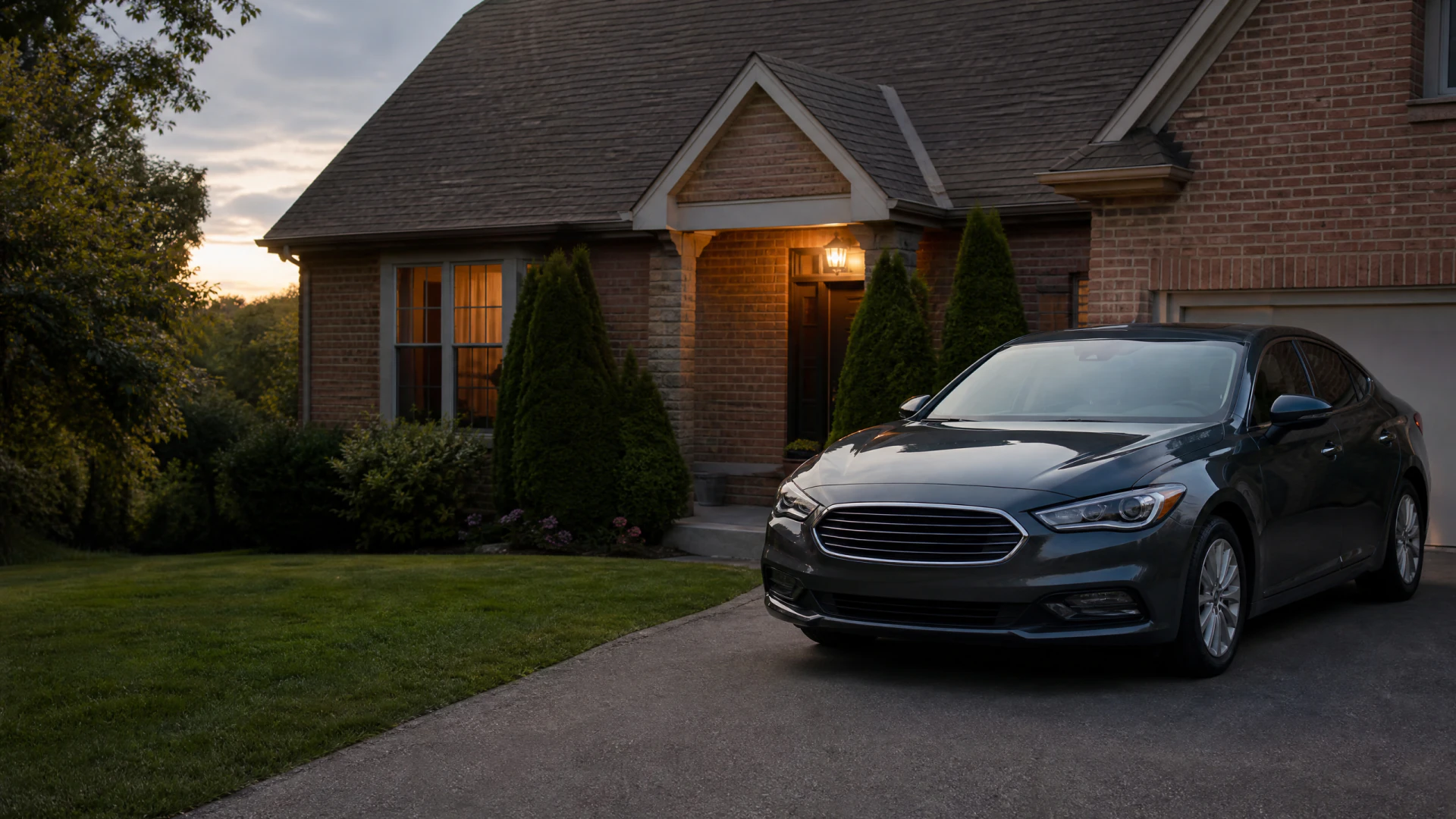
- A garage can lower your rate Insurers often price risk based on where a car is parked overnight. If you now have a garage or covered carport, tell your insurer, since it can reduce what you pay.
- Your deductible still applies Damage at home isn't treated more gently than damage anywhere else. Check your deductible amount, because that's what you'll owe before coverage kicks in, no matter where the damage happened.
- Some events need checking Flooding from a storm or damage from a falling tree may be handled differently depending on your state or insurer. Ask directly what's included and what isn't, rather than assuming.
Does my home insurance ever cover damage to my car?
Generally no. Home insurance covers your house and belongings inside it, not vehicles, even when the damage happens on your own property. A tree falling on your roof is a home insurance claim. The same tree falling on your car in the driveway is a car insurance claim, specifically comprehensive coverage.
This distinction catches new homeowners off guard because it feels like one event should mean one claim. Insurers split it by what was damaged, not by where the damage happened. There are rare exceptions, like if a garage door malfunctions due to a home structural issue and damages a car, where both policies might come into play. If something like that happens, call both insurers and let them sort out which one pays for what. Don't assume either policy covers everything just because the incident happened at home.

Carrying comprehensive coverage now that you own a home
If you do
A falling branch, hailstorm, fire or theft in your driveway gets covered up to your policy limits, minus your deductible. You file a claim, get an estimate, and get your car repaired or replaced without covering the full cost yourself. This matters more now that you're likely parking outside more often.
If you don't
Any damage to your car from weather, fire, theft or vandalism at home comes entirely out of your pocket. Homeowners coverage won't help, since it only covers the house and belongings inside it. You'd be repairing or replacing the car yourself, which can cost far more than the coverage would have.
Now that you know what covers damage at home, compare quotes to see what the right coverage actually costs.

A branch falls on the car in the new driveway
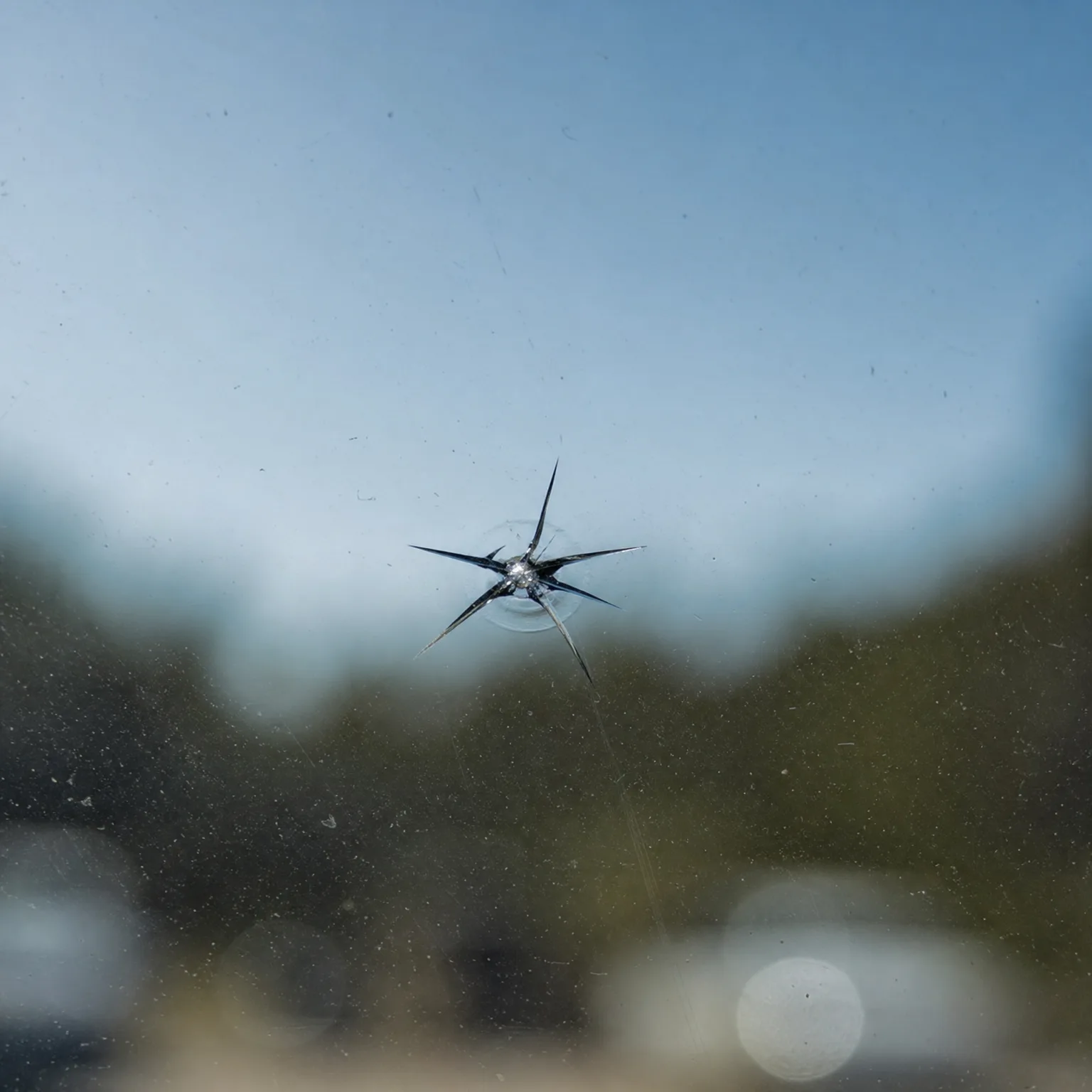
A couple moves into their first house in late summer. A few months later, an early winter storm knocks a large branch off a tree in the yard, and it lands on the hood of one of their cars overnight. They wake up to a dented hood and a cracked windshield.
They call their insurer, who confirms this falls under comprehensive coverage, not collision, since nothing was in motion. They had kept comprehensive on the policy from before the move, which turns out to matter. They pay their deductible, get an estimate from a body shop, and the rest is covered. While on the call, they also mention they now park both cars in a garage most nights, and the insurer adjusts their rate going forward to reflect the lower risk.

Should I drop comprehensive coverage to save money after buying a house?
No, keep it, especially now. Comprehensive is what protects your car from the kinds of damage that happen while it's parked at home, like weather, falling objects, theft and vandalism. Dropping it to cut costs right after a move, when the car is sitting outside more and in an unfamiliar area, removes protection exactly when you might want it most. If cost is the concern, raising your deductible lowers your premium while keeping the coverage in place.
Does bundling home and auto insurance actually lower my car insurance cost?
Often yes, but it depends on the insurer, so check rather than assume. Many insurers offer a discount when you hold both policies with them, since it reduces their cost of managing two separate customer relationships. Get a quote for bundled coverage and a quote for keeping them separate with different insurers, then compare the total. Sometimes separate policies from different insurers end up cheaper even without a bundling discount.
Do I need to tell my insurer I moved if I'm keeping the same car?
Yes, update your address even if nothing else changed. Your rate is partly based on where the car is kept overnight, since that affects theft, weather and accident risk. Not updating it can cause problems with a claim later if the insurer finds your address was wrong, and it may mean you're paying a rate based on your old location instead of your new one.