Does Home Insurance Cover a Car Damaging Your Property
If a car hits your house, fence or driveway, that's your auto policy's job, not your home policy's.
Home insurance covers the house, not a vehicle's actions
Home insurance protects your dwelling and belongings from things like fire, storms, theft and certain accidents that happen to the structure itself. But when a car causes the damage, the cause matters more than the result. The policy was built to cover hazards to the home, not harm caused by a vehicle, because vehicles are a different category of risk entirely, one insurers underwrite and price separately.
That's why the vehicle's own insurance almost always responds first. If you back into your own garage door, that falls under your auto policy's liability or collision coverage, not your home policy. If someone else drives into your fence, their auto liability coverage is the one that pays. The home policy sits in the background and generally only gets involved if there's no applicable auto coverage at all, and even then, only for specific, limited situations.
There are edge cases. A parked car that rolls and hits a shed, or a tree that falls on a car which then crashes into a wall, can blur the line between what's a home claim and what's an auto claim. In those situations, the actual mechanics of what happened, not just where the damage landed, determine which policy applies. This is exactly the kind of case where you should call your insurer or agent before assuming either way.
State rules and individual policy language also shape the details, especially around uninsured or underinsured drivers damaging property. Some states handle that differently than others. Since you just set up a home policy and have an existing auto policy, this is a good moment to ask both insurers directly how they'd handle a vehicle-caused loss, so you're not guessing later.
What decides which policy pays
- Who was driving If you or a resident of your household caused the damage, your own auto policy's liability or collision coverage is usually what applies, not your home policy.
- Whether a driver was involved A parked car rolling on its own versus a car actively being driven can be treated differently. Ask your insurer how they classify each scenario.
- Your comprehensive coverage If something other than a driver, like a falling tree, causes a car to damage property, comprehensive auto coverage may apply instead of home insurance.
- Other driver's liability limits If someone else hits your property, their auto liability coverage pays. Check that your home policy's liability section doesn't assume you'll cover gaps yourself.
- State-specific rules Some states handle uninsured driver property damage differently. Ask your agent directly since this won't be obvious from the policy summary alone.
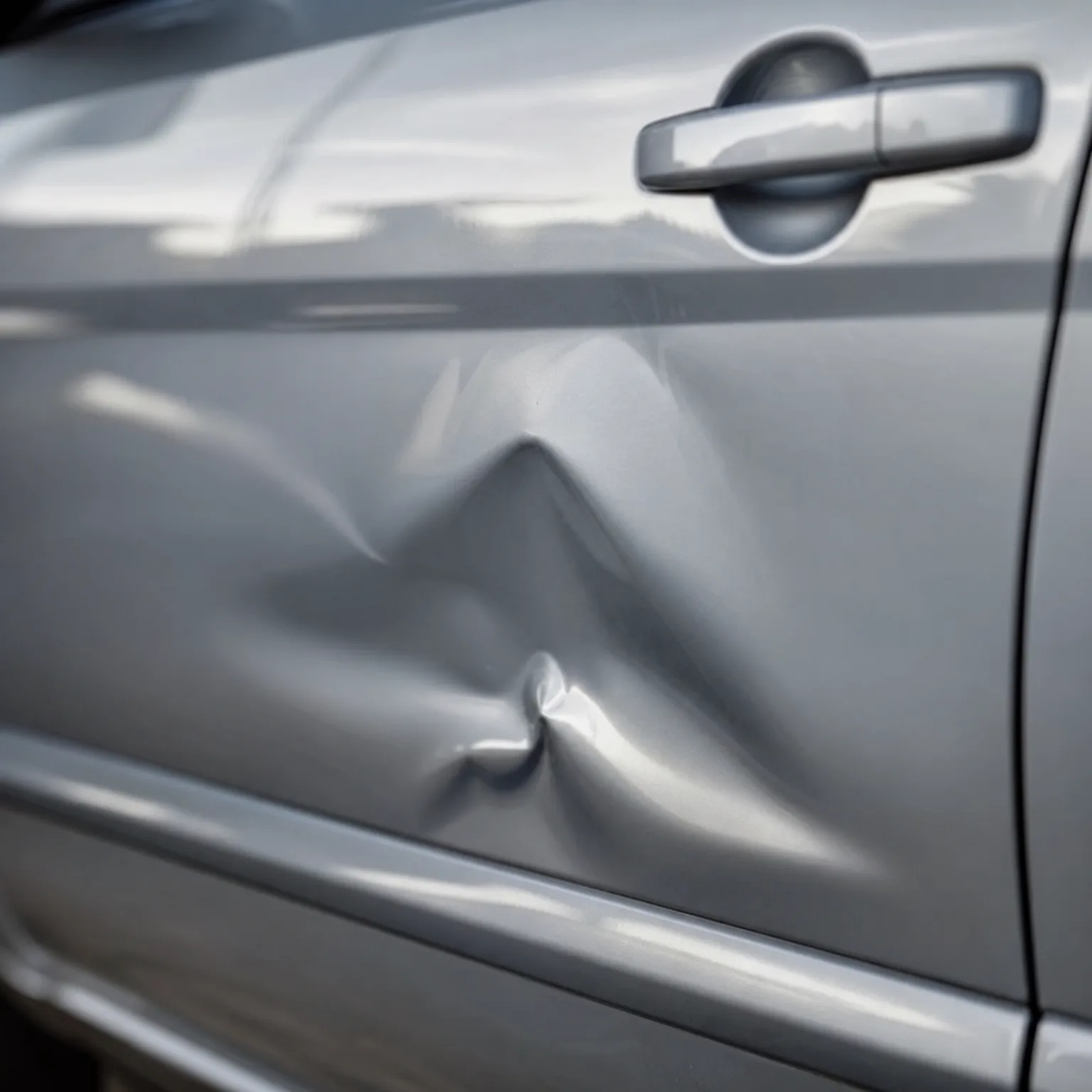
A driveway gate gets hit by a car
Say a visitor backs out of your new driveway and clips the gate you just had installed. The gate is bent and needs replacing. Your first instinct might be to call your home insurer since the damage is to your property. But because a car caused it, the visitor's auto liability coverage is the one that should pay for the repair, not your homeowners policy.
You'd get their insurance information, document the damage with photos, and file a claim with their auto insurer rather than your own home insurer. If they're uninsured or underinsured, that's when your own auto policy's uninsured motorist property damage coverage, if you have it, might step in instead. Your home policy stays out of it entirely unless there's some unusual twist, like the gate failing structurally in a way unrelated to the impact. Knowing this upfront saves you a call to the wrong insurer and a claim that gets denied for being filed against the wrong policy.
Compare auto quotes to make sure your liability and uninsured motorist coverage protect your property too.
Should you call your home insurer first or your auto insurer first
If you do
If you call the auto insurer involved first, whether yours or the other driver's, the claim gets routed correctly from the start. You avoid wasted paperwork, get a clearer repair timeline, and avoid accidentally creating a home claim that just gets closed as not covered.
If you don't
If you call your home insurer first out of habit, they'll likely tell you it's not their claim, costing you time while the damage sits unrepaired. You may also end up with a recorded claim inquiry on your home policy for something it never covered, which can complicate future shopping even if no payout occurred.
Does my home insurance go up if a car damages my property?
No, not if the claim was properly filed against an auto policy instead of yours. Your home insurer only factors in claims actually paid under your home policy. If you mistakenly file with your home insurer and they deny it, some insurers still log the inquiry, so always confirm the right policy before filing anything, and ask your agent whether an inquiry alone affects future pricing.
What is uninsured motorist property damage coverage and do I need it?
It's an optional add-on to your auto policy that pays when an uninsured driver damages your car or property. It matters most if you live somewhere with many uninsured drivers or have features like a gate, fence or detached structure near your driveway. Check whether your state requires it or offers it as an easy add-on, since availability and rules vary by state and insurer.
Does bundling home and auto insurance change how claims like this are handled?
Not usually, bundling affects pricing and convenience, not which policy legally covers what. Even with the same insurer, auto-caused property damage still routes through the auto side of coverage. Bundling can make the claims process smoother since one company has both files, but ask your insurer directly how they coordinate claims between the two policies internally.