When Your Car Damages Your Home or Garage
Your auto liability coverage pays for damage your car does to your own home or garage, not your homeowners policy.
The car caused it, so the car policy answers first
When your vehicle damages a structure you own, the liability portion of your auto policy is usually the one that responds, because that coverage exists to pay for damage your car does to other people's property, and that includes property you own too. This surprises a lot of new homeowners who assume home insurance handles anything that happens on the home.
Your home insurance generally steps in for damage caused by things that aren't a vehicle you own, like fire, wind, or a burst pipe. If your car rolls into your garage, that's a car problem, not a weather problem, so the logic of your home policy usually excludes it. Some home policies include specific language about vehicle damage, so this is one of those places where wording differs by insurer and is worth a direct question rather than an assumption.
What gets paid also depends on what was damaged. Damage to the garage structure is one claim. Damage to your car from hitting the garage is a separate claim under your own collision coverage, if you carry it. If you don't have collision coverage, the car side of this scenario goes unpaid even though the home side might still work.
There are edge cases. If someone else's car causes the damage, their liability coverage pays, not yours. If the structure damage happens because of something unrelated to the impact, like the crash knocking over a space heater that then starts a fire, more than one coverage might get involved, and that's a case worth talking through with whoever holds your policies.
The short version
Your car insurance, specifically liability and collision, pays when your own car damages your garage or home, not your homeowners policy. If you don't carry collision coverage, repairs to your car from this kind of accident won't be covered. Check both policies now, before anything happens, so you know what's actually protected.

A driveway mistake that became two separate claims
A new homeowner backed out of a narrow driveway and misjudged the angle, clipping the garage doorframe and denting the rear bumper. They called their auto insurer first, assuming home insurance would somehow be involved since the garage was attached to the house. The agent explained that the structural damage to the garage was covered under the liability portion of the auto policy, since the car caused it, and the dent in the bumper was a separate claim under collision coverage, which they had kept after moving.
Both claims were filed under the same auto policy. The garage repair went smoothly because the liability coverage had no deductible attached, while the bumper repair came with the collision deductible they'd chosen when they set up the policy years earlier. They hadn't looked at that number since, and it turned out higher than they would have picked now that a driveway this narrow was part of daily life. Afterward, they called to adjust the deductible down slightly, deciding it was worth a little more each month for less surprise next time.
Compare quotes now with collision coverage and a deductible that actually fits your home.
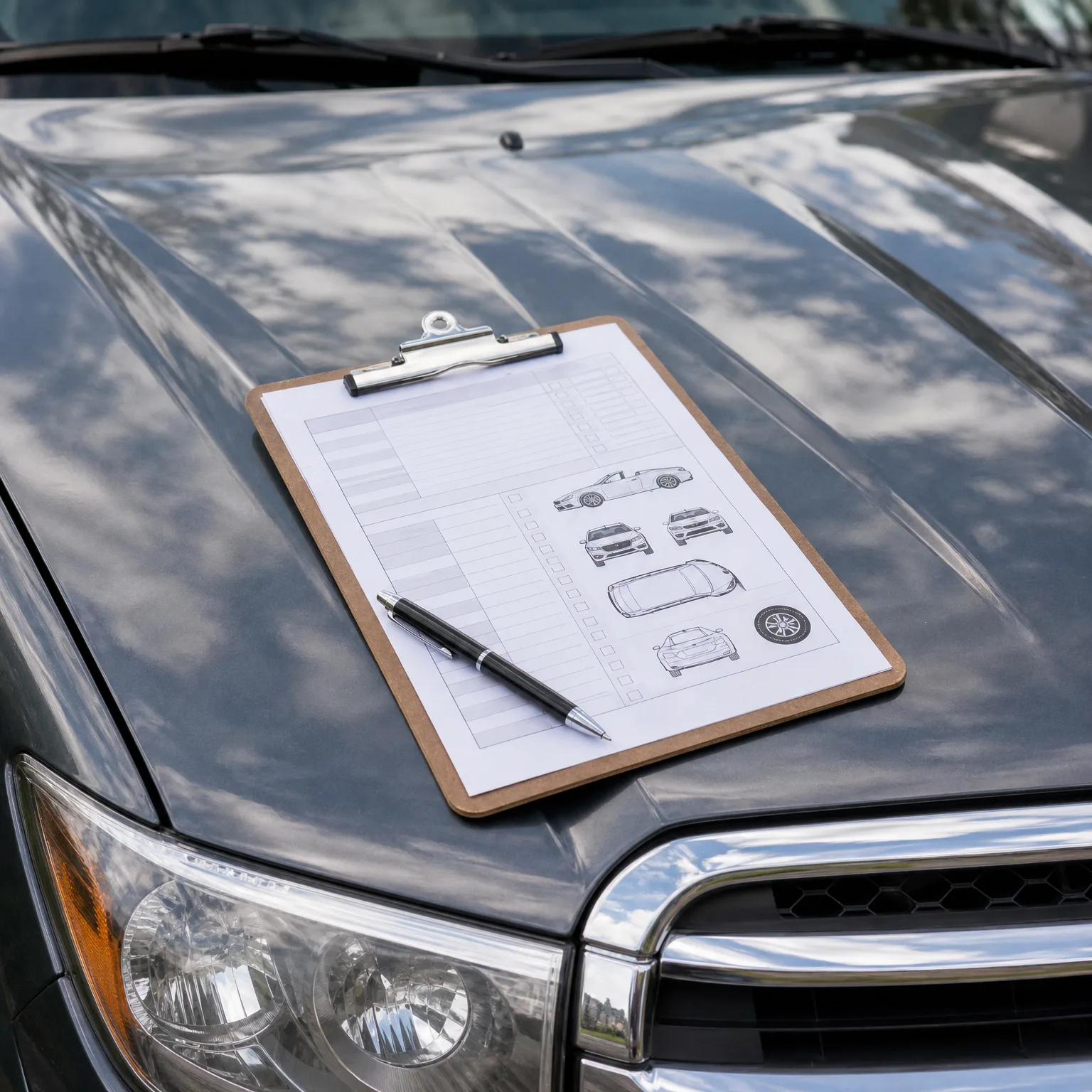
What actually determines how this gets paid
- Liability pays the structure The garage or home damage is usually paid under your auto liability coverage, not your homeowners policy. Confirm this is included and not excluded for owned structures.
- Collision pays your car Damage to your own vehicle only gets covered if you carry collision coverage. If you dropped it to save money, this is the moment that choice shows up.
- Deductibles apply separately Your collision deductible applies to the car repair, and it's a different number than any homeowners deductible. Know both before you need them.
- Garage type can matter Some insurers ask whether a garage is attached, detached, or shared, since that can affect how a claim is classified. Ask your insurer directly rather than guessing.
- Bundling won't change the split Even if your home and auto policies are with the same company, the type of damage still decides which policy pays. Bundling can simplify billing, not which coverage applies.
The policy that pays isn't decided by what got damaged, it's decided by what caused the damage.
Does homeowners insurance ever cover car damage to a garage?
Rarely, and only in specific policy wording. Some homeowners policies explicitly exclude damage caused by a vehicle owned or operated by a resident of the home, since that's considered an auto liability matter. A few insurers write exceptions for detached structures or for vehicles not owned by anyone in the household. The only way to know for certain is to read your policy's exclusions section or ask your insurer directly, since this varies by company and sometimes by state.
What if a visitor's car damages my garage?
Their auto liability coverage should pay, not yours. Since they caused the damage with their vehicle, their policy is responsible the same way yours would be in the reverse situation. You'd file a claim against their insurance rather than your own. If they're uninsured or underinsured, your own uninsured motorist property damage coverage, if you carry it, may fill the gap, though availability of that coverage varies by state.
Do I need to raise my liability limits after buying a home?
Many new homeowners do, because liability coverage now needs to protect a larger asset than before. If your current limit is low, a serious accident involving your home or someone else's property could exceed what your policy pays, leaving you responsible for the rest. Review your limit against what you'd stand to lose, and ask your insurer what raising it would cost, since the increase is often smaller than people expect.