Does Homeowners Insurance Cover a Car Parked in a Garage
Your homeowners policy covers the garage structure, but the car inside it is your auto policy's job, not your home policy's.
Home policies cover structures and belongings, not vehicles
Homeowners insurance is built around the idea of covering a dwelling and the things inside it that aren't designed to be driven away. A car is treated differently because it already has its own insurance system built for exactly this purpose, with its own rules for collision, theft, and liability. Insurers keep these two policies separate so each one prices risk correctly for what it actually covers.
This means if a tree falls through your garage roof and dents the car underneath, your homeowners policy will likely pay to fix the garage, but the dent in the car falls to your auto policy's comprehensive coverage. The garage is real property attached to your home. The car is personal property that moves, gets driven on public roads, and carries its own risk profile that home insurers don't price for.
There are a few narrow exceptions worth knowing about. Some homeowners policies extend limited coverage to non-motorized vehicles stored in a garage, like a riding mower or a bicycle, because those are closer to ordinary personal property. A detached garage itself may also be covered under a different part of your policy than an attached one, which matters for how a claim gets filed even though it doesn't change how the car is treated.
What varies by insurer is how claims for garage damage get categorized and whether there's any overlap coverage for things like a garage door opener or stored tools that technically belong to the car. Check your policy's declarations page or ask your agent directly whether anything inside the garage besides the structure is covered, since the answer differs enough between insurers that it's worth confirming rather than assuming.

What actually determines how a garage claim gets paid
- Structure vs. vehicle Damage to the garage walls, roof, or door is a homeowners claim. Damage to the car itself, even from the same event, goes through your auto policy's comprehensive coverage instead.
- Comprehensive coverage matters If your car doesn't carry comprehensive coverage, a falling tree or hailstorm hitting it in the garage won't be covered by either policy. Check now, not after something happens.
- Theft follows the same split If someone breaks into your garage and steals tools, that's a homeowners claim. If they steal the car, that's an auto claim, even though both happened in the same break-in.
- Detached garages can differ Some policies treat a detached garage under separate structure coverage with its own limit. Ask your insurer how your garage is categorized so you know what applies.
- Bundling doesn't merge coverage Combining home and auto policies with one insurer can lower your overall cost, but it doesn't change which policy pays for what. The car and the garage stay separate claims.
A storm damages the garage and the car inside it
A windstorm knocks a large branch through the garage roof of a couple who moved in six months earlier. The branch cracks the roof, breaks a support beam, and lands on the hood of the car parked underneath, denting it and cracking the windshield. They call their homeowners insurer first since the damage to the structure is obvious and significant.
The homeowners adjuster confirms the roof and beam are covered under dwelling or other-structures coverage, depending on how their policy defines the garage, and a contractor is scheduled to make repairs. But when they mention the dented hood and cracked windshield, the adjuster explains that part isn't theirs to cover. They call their auto insurer, file a separate comprehensive claim for storm damage, and because they'd kept comprehensive coverage on the policy, the repair gets approved without much back and forth. Two separate claims, two separate insurers, one storm.
Make sure your car has its own coverage for moments like this, then compare auto quotes with that gap closed.

Checking whether your auto policy carries comprehensive coverage
If you do
You confirm your policy includes comprehensive coverage and see what it would cost to fix storm, fire, or theft damage to the car. If something happens in the garage, you already know which policy to call and what to expect, so there's no scramble or surprise gap when you need it most.
If you don't
You assume the home policy covering your garage also protects the car inside it, which it doesn't. If a tree falls or the garage floods, you find out during the claim that the car was never covered, and you're paying out of pocket for repairs you thought were included.
Does it matter if the garage is attached or detached to the house?
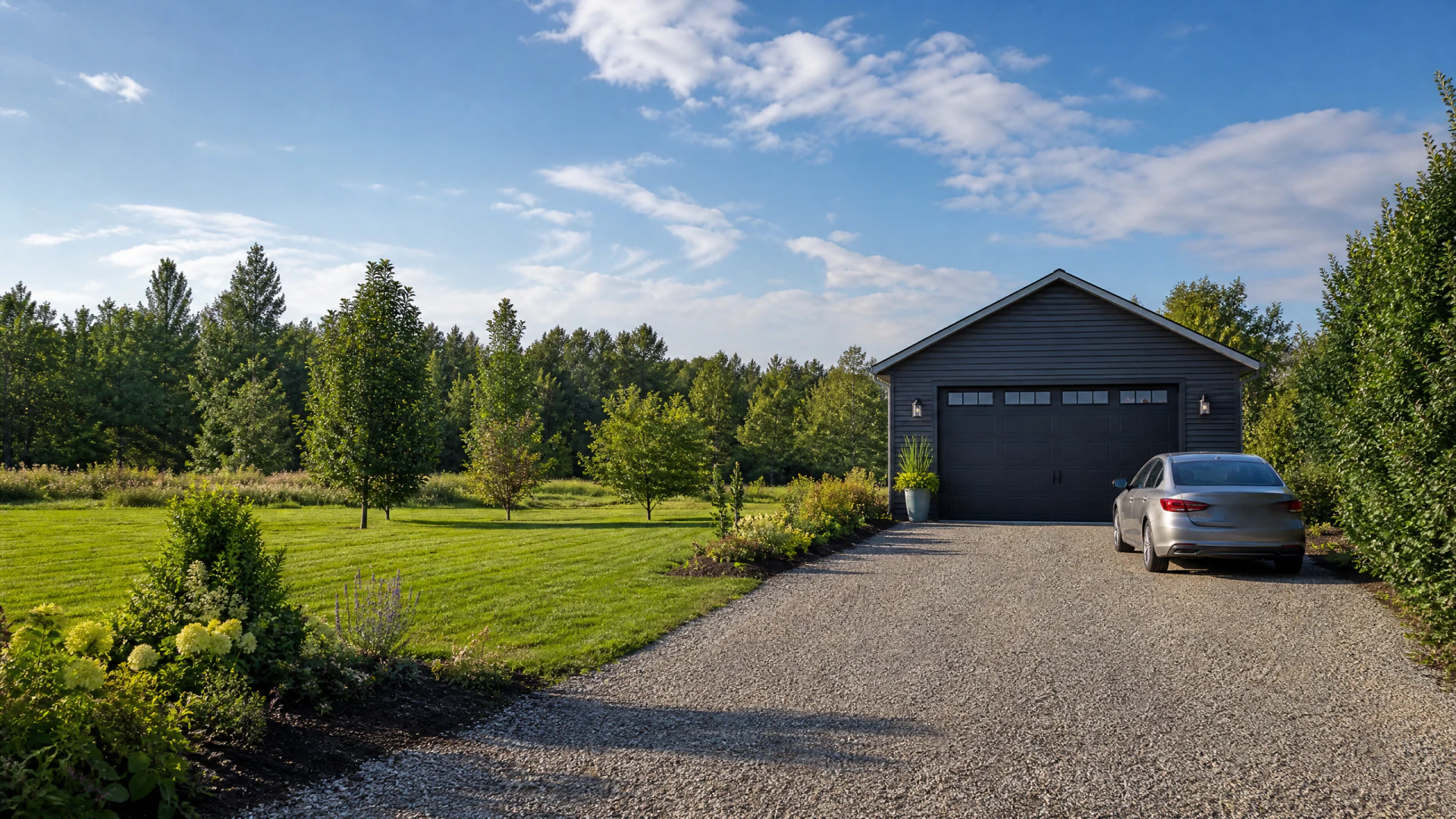
It matters for how the structure itself is covered, but not for the car. An attached garage is usually covered under your dwelling coverage, since it's considered part of the home. A detached garage is typically covered under a separate part of your policy meant for other structures, often with its own coverage limit.
Either way, the car inside follows the same rule. Whether the garage is attached or standing alone in the backyard, damage to the vehicle itself is an auto insurance matter, not a homeowners one. Check your declarations page to see how your specific garage is classified, since that affects your claim limit for the structure, even though it won't change anything about how the car is covered.
Treat the garage and the car as separate risks under separate policies, because your insurers already do.