Garage Parking and Your Premium
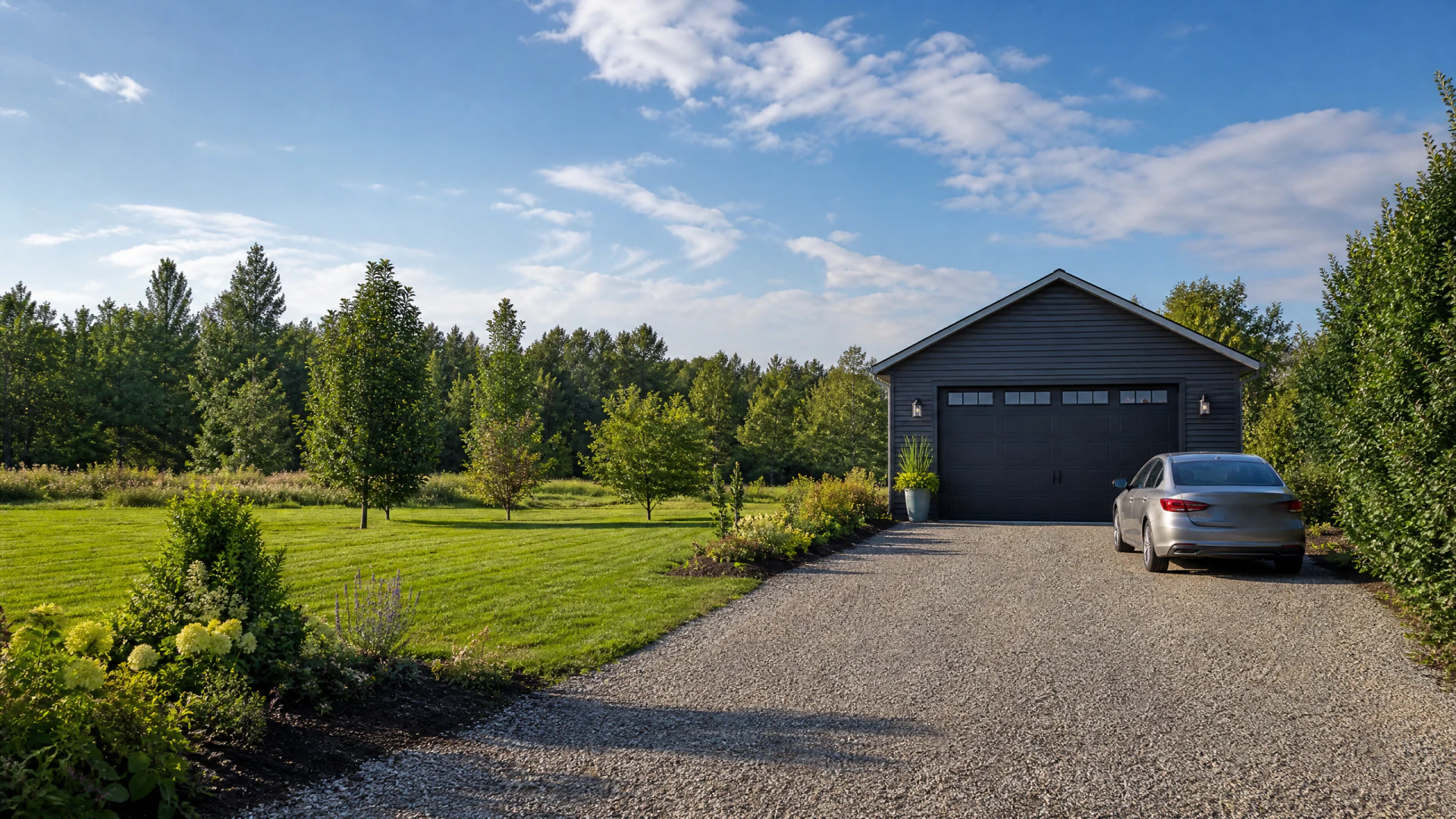
Parking in a garage usually lowers your premium a little, because it cuts the odds of theft, vandalism and weather damage to your car.
A couple who finally had a garage and wondered if it mattered
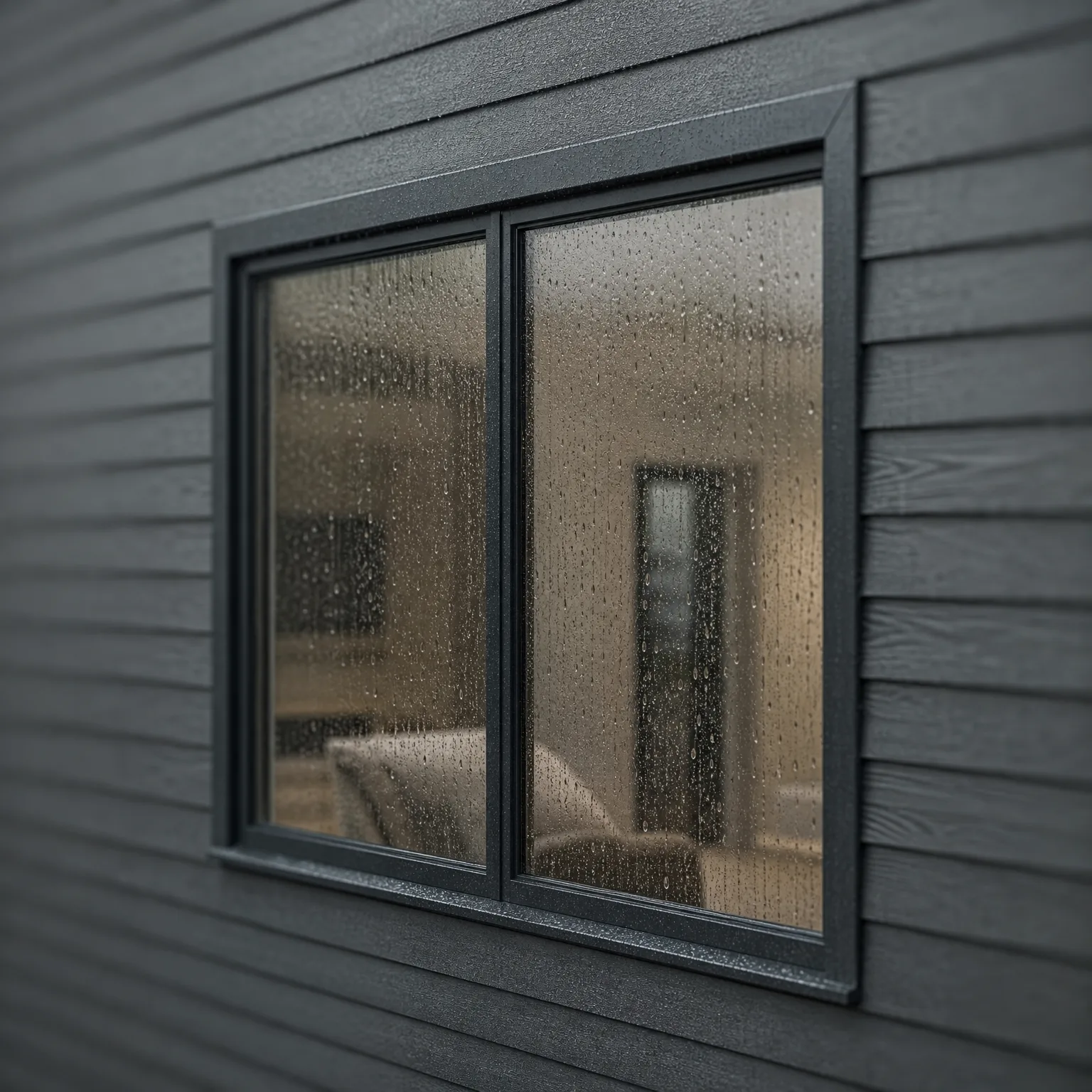
After years of street parking, a couple moved into a house with an attached garage. The car had been broken into twice at the old apartment, so they figured their insurer already knew they were a higher risk there. Once they settled in, they called to update their address and mentioned the garage almost as an afterthought, assuming it wouldn't change much now that the damage was already priced in.
It turned out to matter more than they expected. The new zip code alone shifted their rate, and the garage detail shifted it again, separately, because comprehensive coverage looks specifically at where the car sleeps at night. Their insurer asked whether the garage was attached, whether it locked, and whether both cars would fit. They answered honestly, the quote came back slightly lower, and they learned that reporting changes promptly, not just big ones like an address, can work in their favor instead of against them.
Will a garage lower my premium more than bundling my home and auto policies?
Usually not. A garage is one small input among many, while bundling often changes the overall discount structure of both policies at once. For most people, the bundling conversation moves the number more than the parking detail does.
That doesn't mean the garage doesn't matter. It's a legitimate factor insurers use for comprehensive coverage, and it can combine with a bundling discount rather than compete with it. Think of the garage as a smaller, steady adjustment and bundling as the bigger lever. Ask your insurer to show both effects on the same quote so you can see which one is actually doing the work, instead of guessing.
The garage is a small detail, but not reporting it is a missed discount you're paying for every month.
Once you've confirmed how your garage and address affect your rate, compare quotes to see who prices that detail best.
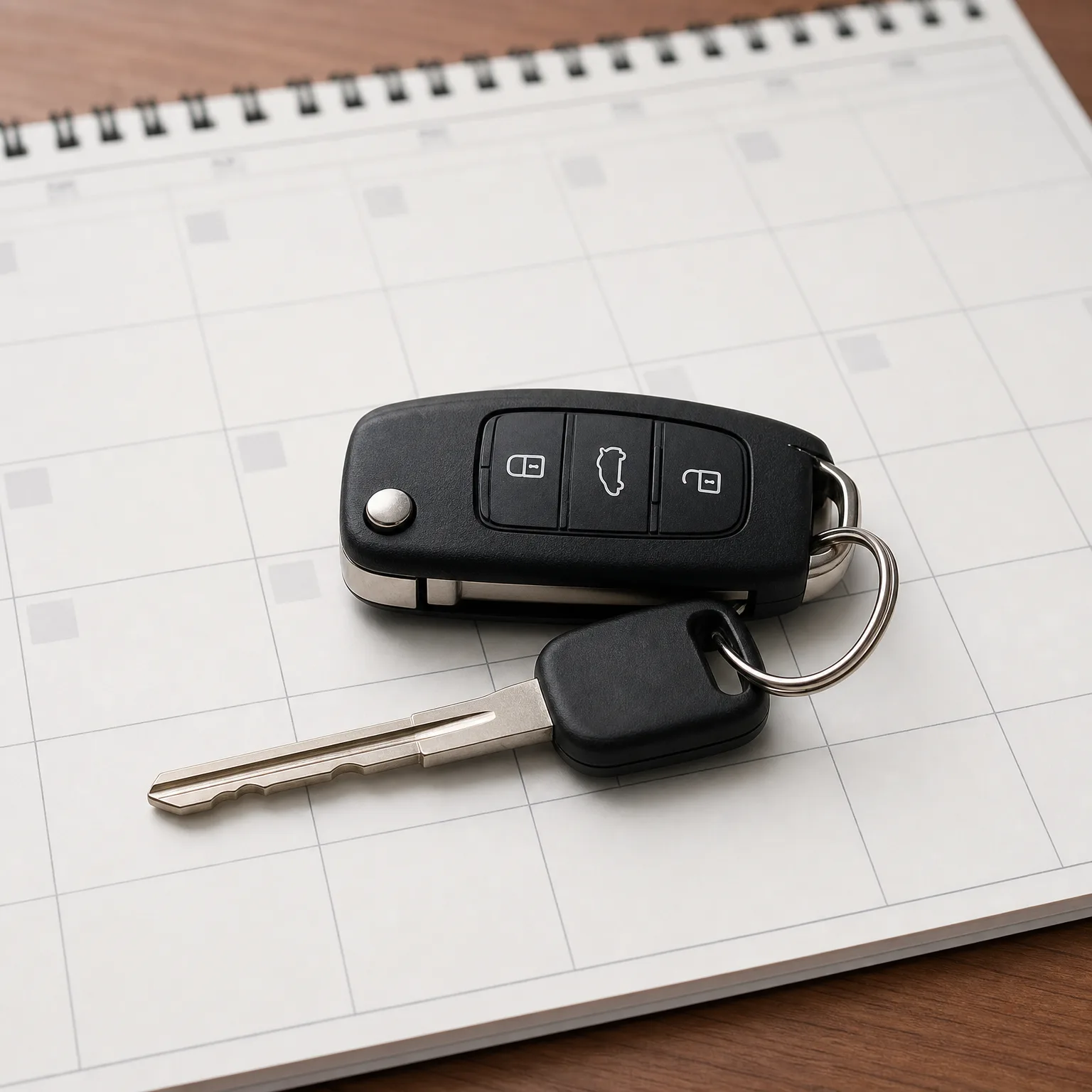
What actually changes your rate when you park in a garage
- Comprehensive coverage cost This is the part of your policy that pays for theft, vandalism and weather damage. A garage mainly affects this piece, not liability or collision coverage.
- Attached versus detached Some insurers ask whether the garage is attached to the house or a separate structure. Tell them the exact setup rather than just saying 'garage,' since the details can change the adjustment.
- Whether it fits the car A garage used for storage that can't fit a car won't count the same way. Be honest about whether the car is actually parked inside most nights.
- Your new zip code's effect Your address change already shifted your rate before the garage was even considered. Ask your insurer to separate the two effects so you understand what each one did.
- Reporting it at all This detail doesn't apply itself. If you don't mention the garage specifically, some insurers won't ask, and you'll miss the adjustment entirely.
Why a garage changes the price at all
Insurance pricing is really a bet on what's likely to happen to your car over the length of the policy. A car parked outside overnight is exposed to theft, hail, falling branches and other people's carelessness in a parking lot. A car parked inside a garage faces almost none of that, so the insurer's expected payout for comprehensive claims drops, and the price follows.
This mainly touches comprehensive coverage because that's the part of the policy built around unpredictable, external events rather than at-fault accidents. Liability and collision coverage are priced around how and where you drive, not where the car spends the night, so a garage won't move those numbers.
How much this matters varies by insurer and sometimes by state, since each one weighs theft and weather risk differently depending on local data. Some insurers ask detailed questions about the garage, others barely factor it in, and a few fold it into a broader 'parking location' category that also includes driveways and carports. This is worth checking directly with your insurer rather than assuming.
There are cases where it works out differently. If you live somewhere theft and severe weather are already uncommon, the garage may barely move the price, because there wasn't much risk to offset in the first place. And if your garage is shared, detached, or often used for something other than the car, the insurer may not give it full credit, so it helps to describe the actual daily reality rather than the ideal version of it.
Does a carport count the same as a garage for insurance?
No, carports usually count as partial protection rather than full garage protection. They block weather damage like hail reasonably well but don't stop theft or vandalism the way an enclosed, locking garage does. Insurers often have a separate, smaller adjustment for carports. Ask your insurer directly how they classify it, since the line between carport and garage isn't drawn the same way everywhere.
Do I need to prove I have a garage to get the discount?
Usually not upfront, but your insurer can ask later, especially after a claim. Most of the time they take your word for it when you set up or update the policy. If you ever file a comprehensive claim and the circumstances raise questions, be ready to confirm the garage setup honestly, since misreporting it can complicate a claim.
Should I mention my garage when I bundle home and auto insurance?
Yes, mention it specifically rather than assuming it carries over. Bundling conversations tend to focus on the big discount structure, and small details like garage parking can get missed unless you bring them up. Say it plainly when you're setting up or updating the bundled policy, and ask them to confirm it's reflected in the auto side specifically.