Does Having a Garage Lower Your Car Insurance
Yes, a garage can lower your premium, because it reduces the risk of theft, vandalism, and weather damage to your parked car.
Insurers price for risk, and a garage removes some of it
Car insurance pricing starts with a simple question: how likely is this car to generate a claim? Where you park overnight is part of that answer. A car sitting on the street is exposed to theft, break-ins, hail, falling branches, and the occasional hit-and-run from a passing driver. A car in a garage avoids most of that exposure, so insurers who ask about parking location will often price it lower.
The word often matters here. Some insurers weigh parking location heavily, especially in areas with high theft rates or severe weather. Others barely factor it in, because their pricing model leans more on your driving record, your credit-based score where allowed, or the car itself. You won't know which kind of insurer you have until you ask or check your declarations page for a line about garaging address or parking type.
State rules also shape this. A few states limit how much insurers can use certain rating factors, and some restrict location-based pricing more than others. This is state-specific, so check with your insurer or your state's department of insurance if you want to know exactly how garaging is treated where you live.
The practical effect also depends on whether you tell your insurer. A garage only helps your rate if it's reflected on your policy. If you moved and didn't update your garaging address, your policy may still reflect your old parking situation, good or bad, which means you could be missing a discount you already qualify for.

The short version
A garage can lower your premium because it reduces theft and weather risk, but how much depends on your insurer and state. The one thing to do now is update your garaging address with your insurer so your policy reflects your actual parking situation.
A couple who moved from an apartment to a house with a garage
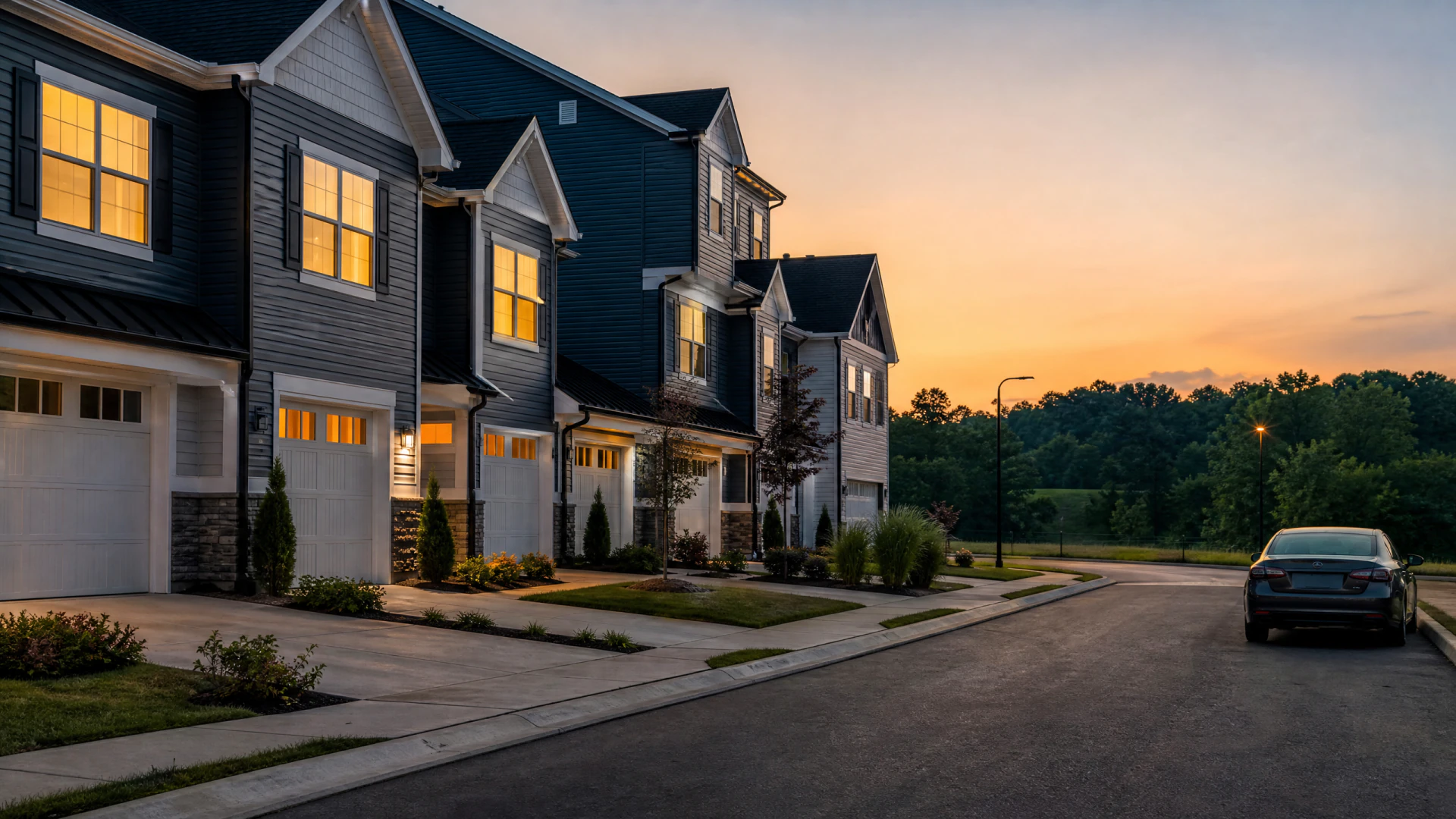
A couple had been parking on the street for years and carried a policy priced around that risk. After buying a home with an attached garage, they kept driving on the old policy for a few months without mentioning the change, since nothing about the car itself was different and renewal was still a ways off.
When they finally called to update their mailing address, the agent asked where the car was parked overnight. Once they said garage, the insurer recalculated the comparable risk factors and the premium came down slightly at the next renewal. Nothing else about their driving or coverage changed. The only difference was that their policy now matched reality instead of their old apartment's street parking.
Now that you know whether your garage counts, compare quotes to see which insurers actually reward it.

What to check before you assume the garage discount applies
- Update your garaging address Your policy may still list your old parking situation. Call your insurer or update it online so your garage is actually factored into your rate.
- Ask how it's weighted Some insurers weigh parking location heavily, others barely use it. Ask directly how much garaging affects your specific premium.
- Check your state's rules Some states limit how insurers use location-based pricing. Ask your insurer or check your state insurance department if you want specifics.
- Confirm it's a real garage A driveway or carport may not count the same as an enclosed garage. Tell your insurer exactly how and where the car is stored.
- Compare before assuming Not every insurer rewards garaging the same way. Get quotes from a few to see who actually prices it into your favor.
The discount exists only if your policy matches reality, so update your garaging address instead of assuming.