Is a Carport as Good as a Garage for Insurance
A carport generally qualifies as off-street parking for your car insurance, though it won't always lower your rate as much as a garage.
A couple compares two listings with different parking
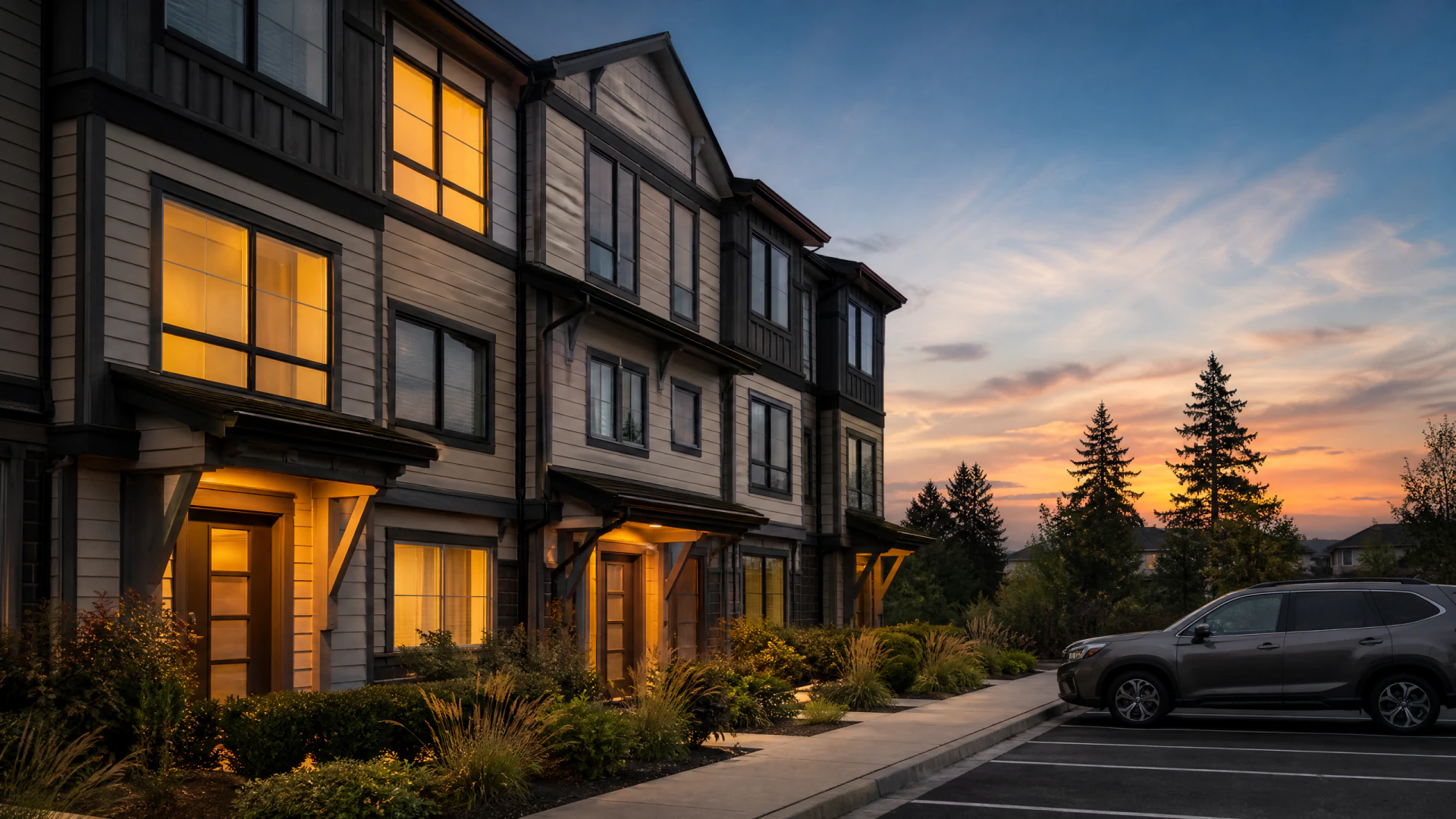
After closing, the couple pulled up their old insurer's online portal to update their address. One car had been parked on a city street for years, and the new house had a carport attached to the side. They weren't sure if they should even mention it, since it didn't feel like a real change, just a roof over gravel instead of nothing at all.
They called to ask, and found out the answer mattered more than they expected. The insurer asked where the car would be parked overnight, and the carport counted as covered parking rather than street parking. That shifted their theft and vandalism risk category down a level, though not as far down as a fully enclosed garage would have. They kept the detail in their notes, updated the policy, and decided to ask every company they quoted the same question before comparing prices.

The short version
A carport counts as better than street parking but not as good as a fully enclosed garage, since it blocks weather but leaves the car open on the sides. Insurers price risk by exposure, not the word for the structure. Tell your insurer what you have and ask how it affects your rate.
Will moving my car into a carport actually lower my premium?
It might, but not by a guaranteed or dramatic amount. Carports typically move your car out of the highest risk category, which is unprotected street parking, and insurers often reward that with a modest adjustment. The exact effect depends on the insurer's rules and how they weigh parking location against other factors like your zip code and driving history.
Don't expect the carport alone to offset a bigger change, like a new zip code with higher theft or accident rates. If you want to know the real effect, ask your agent to quote the policy with the carport listed as your parking location, then compare it to the same quote without it. That side by side number tells you more than any general rule.
Compare quotes now that you know how to describe your carport, so the price you see reflects your real parking setup.
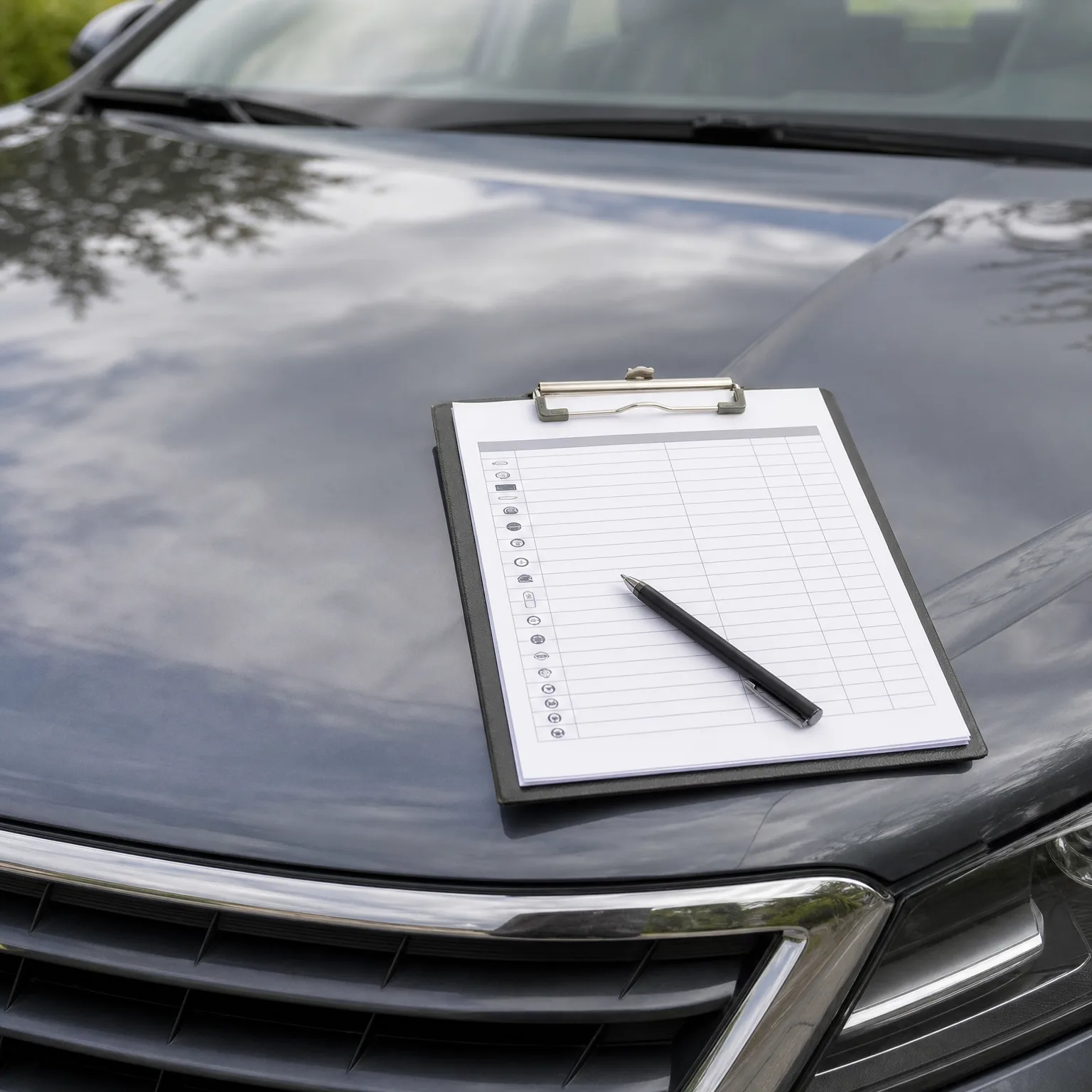
What actually changes your rate when you have a carport
- Tell your insurer the truth Don't guess or skip this detail when you update your policy. Say exactly what kind of structure you have, since misclassifying it can cause problems later if you file a claim.
- Open sides matter A carport with open sides offers less protection than a garage, and insurers know this. Mention how enclosed or exposed it actually is, since some carports are closer to a garage than others.
- Compare it to your old setup If your car used to sit on the street, a carport is very likely to help. If your old home already had a garage, this move might raise your rate instead, so brace for that possibility.
- Ask each insurer separately Insurers don't all treat carports the same way. Get this specific question answered by every company you quote, rather than assuming the answer is consistent.
- Keep proof if it matters later If a claim ever depends on where the car was parked, having something simple like a photo or a note in your file can help. It costs nothing to keep now and could save a dispute later.
Why parking location changes what you pay
Car insurance pricing comes down to risk, and risk is mostly about what could go wrong and how often. Where your car sleeps at night is one of the clearest signals an insurer has, since it relates directly to theft, vandalism, and weather damage. A car parked on an open street is exposed to all of that. A car under a roof, even a partial one, is exposed to less of it, and a car behind four walls and a locking door is exposed to the least.
A carport sits in the middle of that range. It blocks rain, hail, and sun, which matters for paint and interior wear, and it can act as a mild deterrent since the car isn't sitting in plain view from the road the same way. But it usually doesn't block access from the sides, so a determined person can still get to the car, and that keeps the risk higher than a fully enclosed structure.
This is also one of the places where insurers genuinely differ. Some treat any covered parking as a single category and don't distinguish carports from garages at all. Others break it into finer tiers and give an enclosed garage a better rate than a carport. Neither approach is wrong, they're just different ways of modeling the same risk, so you can't assume one insurer's answer applies to another.
State rules can matter here too, since some states regulate how insurers can use certain rating factors or require them to file their rating plans for approval. That doesn't usually ban parking location as a factor, but it's worth asking your agent whether your state has any restrictions that affect how this gets weighed into your price.
Where your car parks at night is a real cost factor, so describe it precisely before you compare prices.