How a New Zip Code Changes Your Rate
Your rate changes because insurers price the risk tied to where your car sits overnight, not your old address or driving history.
Your rate reflects your area's risk, not you personally
Insurers set rates by grouping zip codes based on what actually happens to cars parked and driven there. That includes theft, vandalism, accident frequency, weather damage, and how expensive it is to repair cars locally. A new zip code means a new set of statistics gets applied to your policy, even though nothing about your driving changed.
This is why two people with identical cars and clean records can pay different amounts once they move. A dense urban area often carries more theft and accident risk than a quiet suburb. A place prone to hail or flooding carries more claims for weather damage. None of this is about you as a driver. It's about the environment your car now sits in.
What varies is how much weight each insurer puts on location versus other factors like your driving history or the car itself. Some insurers lean heavily on zip code data. Others weigh it against your personal record more evenly. This is also state dependent, since some states limit how much location can factor into pricing, and others allow it to matter a great deal. Check your state's rules or ask directly how much your new address affected the number.
The exception is when your new zip code sits close to your old one, inside the same general risk pool. In that case the change might be small or barely noticeable. The bigger the shift in environment, city to suburb, coastal to inland, high traffic to low traffic, the bigger the rate change tends to be.

A couple who moved from an apartment to a house ten miles out
A couple had been renting in a dense part of their city and paying a rate that reflected frequent fender benders and a higher theft rate in that area. After buying a house ten miles out in a quieter suburb, they updated their address with their insurer as part of setting up their new homeowners policy. They expected the car rate to barely move, since the distance felt small.
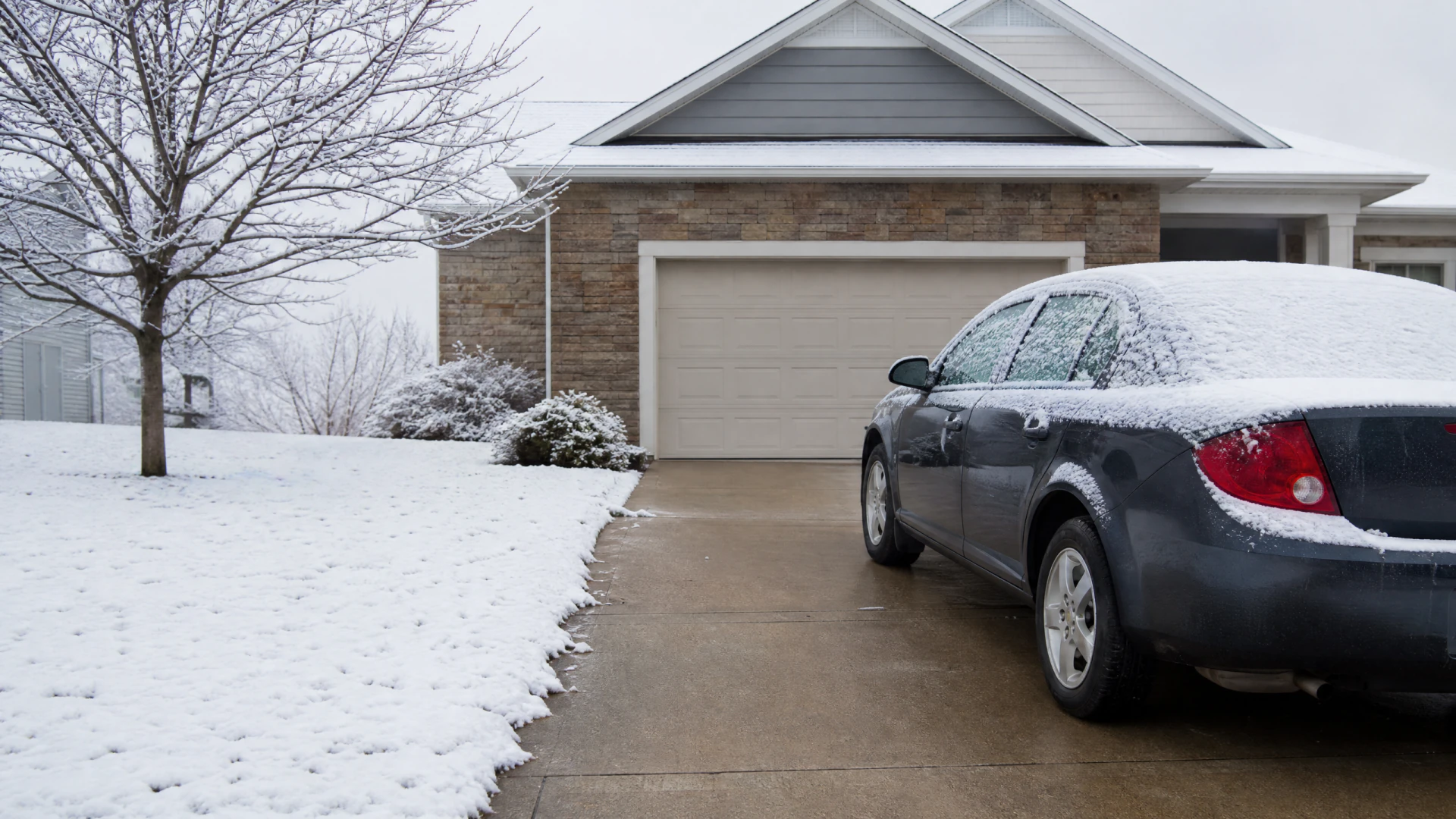
Instead their rate dropped, because the new area had fewer accident claims and the car would now sit in a garage overnight instead of on a street. They also asked about combining the policies with the same insurer, which lowered the total further. The lesson for them wasn't that moving always saves money. It was that even a short move can land you in a completely different risk pool, so it's worth asking for a new quote rather than assuming the old rate still applies.
Will my rate always go down if I move to a quieter area?
Not always. A quieter area usually means fewer accidents and less theft, which tends to lower rates, but other factors can offset that. If the new area has a longer commute, you may be driving more miles, which increases risk even in a safe neighborhood. If repair costs or medical costs are higher in the new region, that can push the rate up regardless of how calm the streets are.
The only reliable way to know is to get a new quote once your address changes. Don't assume direction based on how the area feels. Insurers are weighing specific data points you can't fully see from the outside, so the actual number is the only honest answer.
Now that you know why your zip code moved the number, compare quotes to see what your new address actually costs.
Updating your address with your insurer right away
If you do
Your rate adjusts to reflect your actual risk, which can lower your premium if you moved somewhere safer, or raise it if you didn't. Your coverage stays valid since the insurer has accurate information. You also become eligible for garage or bundling discounts tied to your new home.
If you don't
Your policy still works, but you're paying a rate based on a place you no longer live. If you file a claim and the insurer discovers the address was outdated, they may delay payment, adjust your rate retroactively, or question coverage. It's a risk that grows costlier the longer it goes unaddressed.

What to check once your zip code changes
- New quote, not an assumption Ask for a fresh quote instead of guessing which way the rate moved. Even short moves can shift you into a different risk category than you expect.
- Garage or driveway parking Tell your insurer if your car now sits in a garage or driveway instead of on the street. Covered parking often lowers theft and weather risk, which can lower your rate.
- Bundling with your home policy Ask whether combining your auto and home policies with the same insurer reduces the total. This only helps if the combined price beats separate policies elsewhere.
- Mileage and commute changes If your commute got longer or shorter, update your estimated mileage. Driving less can lower your rate, and driving more can raise it regardless of the new area.
- State rules on location pricing Check whether your state limits how much zip code can affect pricing. This affects how much of the change you're seeing is really about location.
Does my rate change immediately when I update my address?
Yes, in most cases the rate adjusts as soon as the insurer processes your new address, since that's when they re-rate your risk profile. The exact timing can depend on your insurer's process and whether you're mid policy term or renewing. Some insurers apply the change immediately and send a revised bill, while others wait until your renewal date. Ask directly when the new rate takes effect so you're not surprised by a mid term adjustment or a jump at renewal.
Should I shop around after moving instead of just updating my current policy?
It depends on how much your new zip code shifted your rate, so get a few quotes before deciding. Your current insurer may offer a competitive rate for your new area, or they may not, since insurers specialize differently by region. A move is a natural moment to compare because your situation already changed. If your new quote from a competitor beats your updated current rate meaningfully, switching makes sense. If it's close, staying put avoids the hassle of switching for little gain.
Does bundling home and auto insurance always save money after buying a house?
Not always, it depends on whether the combined price beats what you'd pay for separate policies elsewhere. Bundling often brings a discount, but if the insurer's individual rates are already higher than competitors, the bundled total might still cost more. Compare the bundled price against separate quotes from other insurers before committing. The discount is only worth it if the final number, not the discount percentage, is actually the lowest you can get.