Which Animals Do You Have to Report if You Hit Them?
Most states require you to report a collision with certain animals, usually larger wildlife or livestock, even if your car looks fine.
Free to compare
What decides whether you have to report it
- Type of animal Larger animals like deer, elk or livestock are usually the ones that trigger a legal reporting duty. Smaller wildlife like squirrels or birds typically don't require a report, though check your state's exact rule.
- Who owns the animal Hitting someone's livestock, like a cow or horse, often means contacting the owner or local authorities, separate from any police report. Treat it like property damage, because in many places that's exactly what it is.
- Injury or damage involved If the collision caused vehicle damage past a certain point or any injury, most states expect a police report regardless of the animal. Call it in before you worry about paperwork.
- State and local law The threshold for reporting, and who you report to, varies by state and sometimes by county. Check your state's DMV or highway patrol page so you're not guessing after the fact.
- Insurance company requirements Separate from the law, your insurer likely wants a report to process a comprehensive claim for an animal collision. Read your policy or call your agent, because this duty exists even where the law doesn't require one.
Hitting a deer on a rural road at night
You're driving home after dark on a two lane road and a deer runs out. You hit it, the deer doesn't survive, and your front bumper and headlight are damaged but the car still drives. You pull over, turn on your hazards, and check that you're not hurt before deciding what to do next.
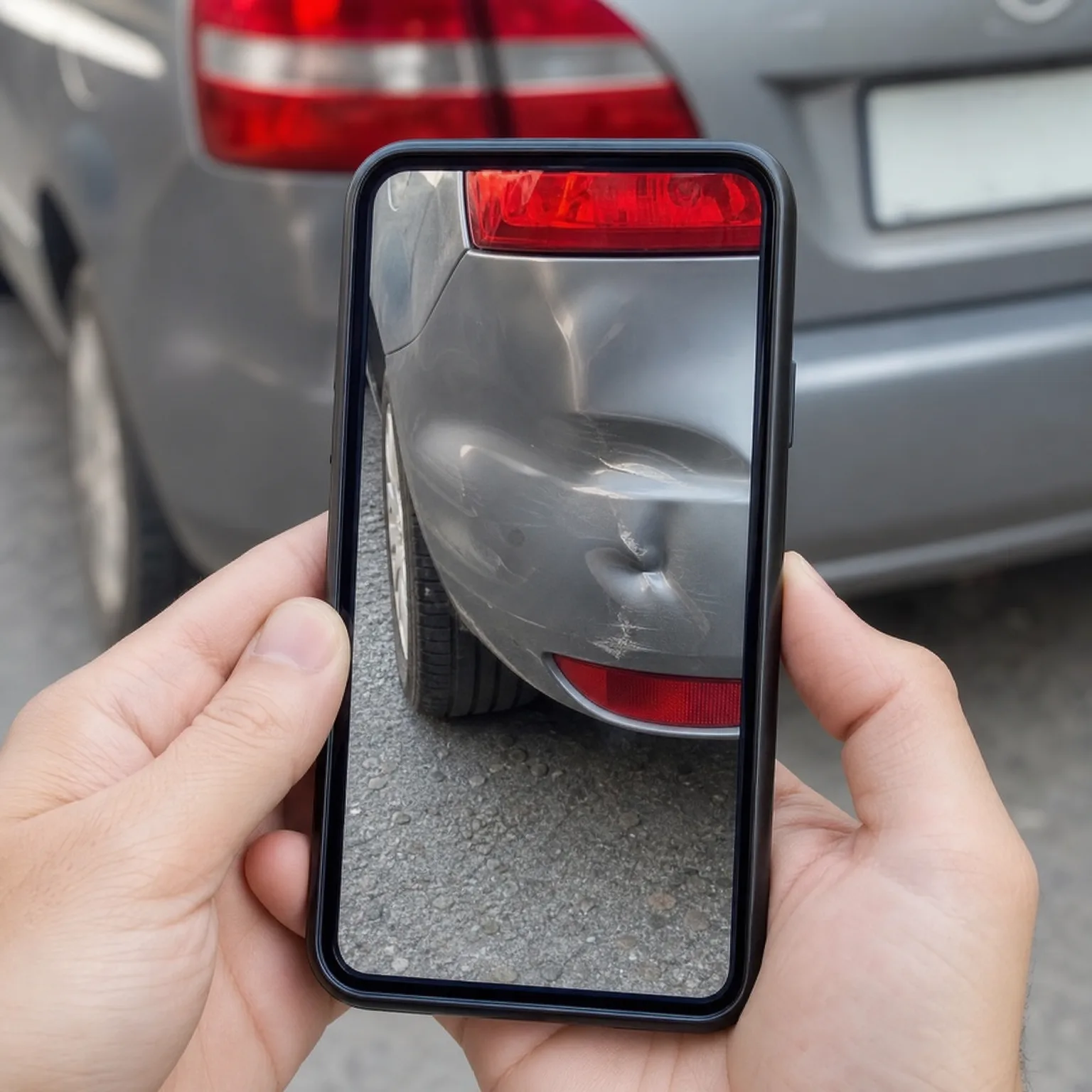
You call local police non-emergency to report the collision, since your state treats deer strikes above a certain damage level as reportable, and they log it and give you a report number. You take photos of the damage and the scene, then call your insurer the same day to start a comprehensive claim, giving them the police report number since they asked for it. The claim moves faster because you reported promptly instead of waiting, and you have documentation if any dispute comes up later about how the damage happened.
Do you call it in after an animal collision
If you do
You get a report number, documented time and location, and an official record. Your insurance claim moves faster because you're not trying to prove what happened after the fact. If the animal was livestock, the owner gets notified properly too, which protects you from disputes later.
If you don't
You might be fine if it was minor and no law required a report. But if damage was significant or it was livestock, skipping the report can delay your claim, leave you liable for an owner's losses, or put you at odds with your state's legal requirement without you realizing it.
Now that you know what to report, compare quotes to see how an animal collision claim actually affects your rate.
Why the reporting duty depends on the animal and the damage
States write animal collision laws around the idea of public safety and property, not around the animal itself. A deer carcass in the road is a hazard to the next driver, so there's a public interest in authorities knowing about it. A squirrel isn't, so most states don't bother requiring a report for it. The size and risk of the animal is really a proxy for whether anyone else is likely to be affected.
Livestock collisions work differently because an animal with an owner is property, similar to hitting a parked car. Many states handle this under the same laws that cover damaging someone else's property, which is why you're often expected to locate the owner or notify authorities who can. This is less about the animal and more about whose loss it is and who's responsible for covering it.
Your insurer's interest is separate from the law entirely. They want documentation because comprehensive coverage, which is what typically pays for animal collisions, requires proof of what happened and when. Even in places where the law doesn't require any report, your insurer's claims process almost always does, so treat the two requirements as separate checklists rather than one.
Where this changes is in states with very specific damage thresholds or unusual animal categories, so a quick look at your state's actual statute, or a call to your insurer, resolves any doubt faster than guessing.
The police report and the insurance report are separate duties. Meeting one doesn't satisfy the other.
Does hitting a deer affect my car insurance rate?
It can, but it depends on your insurer and whether the claim falls under comprehensive coverage, which many insurers treat more leniently than an at-fault accident. Comprehensive claims, including animal strikes, are often rated separately from collision claims. Still, filing any claim can influence your rate at renewal, so check how your specific insurer treats comprehensive claims before assuming it's rate-neutral.
What should I do if I hit an animal and it runs away injured?
Report it the same way you would any animal strike, since the legal and insurance obligations are based on the collision itself, not on the animal's condition afterward. Note the location and time, check your vehicle for damage, and call it in if your state's threshold is met. Whether the animal survives doesn't change your reporting duty.
Is hitting a pet like a dog treated differently than wildlife?
Yes, because a pet has an owner, so it's typically treated as a property and liability matter rather than a wildlife incident. You'll usually want to exchange information with the owner if known, and document the scene, similar to any accident involving someone else's property. Check your state's animal and vehicle codes, since specific duties can differ from wildlife collisions.