Can You Get Charged for Hitting an Animal
You generally won't be charged just for hitting an animal, but leaving the scene or driving unsafely can change that.
A deer in the road at dusk
You're driving home after work, just after your move, still learning the new roads around your house. A deer crosses in front of you and you hit it before you can brake. The car is damaged, the deer doesn't survive, and you're shaken but unhurt.
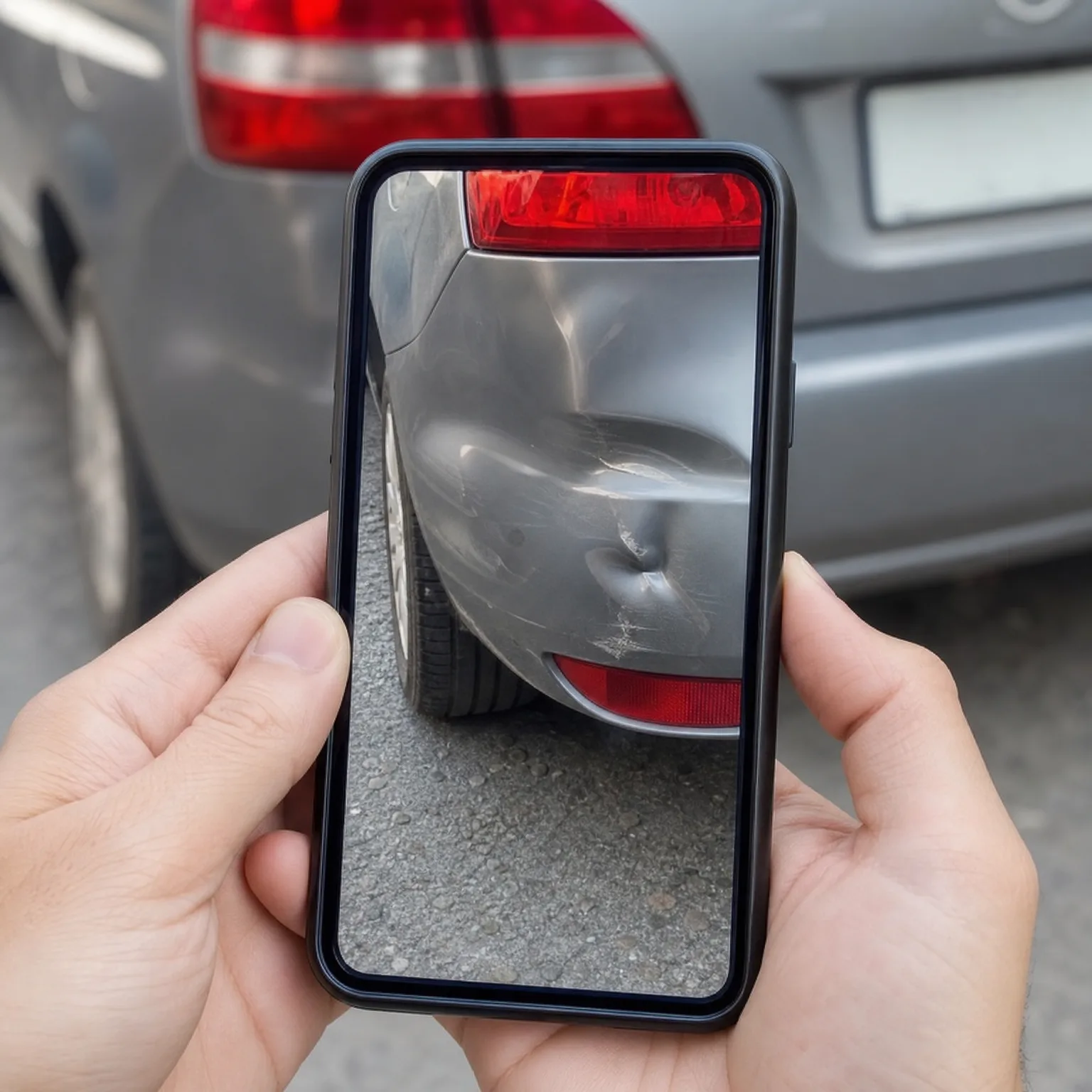
You pull over, turn on your hazards, and call the non-emergency police line to report what happened, since you're not sure if that's required where you live now. The officer tells you no citation is needed because you were driving at a reasonable speed and didn't leave the scene. You take photos, file a claim through your comprehensive coverage, and your homeowners-adjacent stress about money is eased a little when you learn this kind of damage usually doesn't count against you the way an at-fault accident would.

The short version
Hitting an animal by itself isn't a crime almost anywhere, so you won't be charged for the collision itself. What matters is what you do after: stop, report it if your state expects that, and don't flee. Check your state's rules on reporting animal collisions, then file your claim.
Will hitting an animal raise my car insurance rates?
Usually not the way an at-fault accident would. Most insurers treat animal collisions as comprehensive claims, not liability claims, because there was no other driver at fault and often nothing you could have done. Comprehensive claims are typically rated differently than at-fault accidents, so many people see little to no increase.
That said, insurers vary in how they weigh any claim history, and a pattern of repeated claims can matter even when each one was unavoidable. Check how your specific insurer classifies animal strikes and whether your policy includes comprehensive coverage at all, since liability-only policies won't cover this kind of damage no matter how the rates work.
Compare quotes now that you know how animal collisions are actually handled and covered.
What actually determines the outcome
- Stopping at the scene Leaving after hitting an animal can turn a non-event into a legal problem. Always pull over safely and assess the situation before deciding what to do next.
- Reporting requirements Some states expect you to report animal collisions, especially with larger animals, while others don't. Check your state's specific rule so you're not caught off guard.
- How you were driving Reckless speed or distraction at the time of the collision can lead to a citation separate from the animal itself. Drive normally and you're very unlikely to face charges.
- Comprehensive coverage This is the coverage that typically pays for animal collision damage, not liability. Confirm you have it, especially if you dropped coverage to save money after your move.
- Documentation habits Photos and a police report, if required, make your claim faster and smoother. Get in the habit now since you'll likely file claims differently as a homeowner with more to protect.
The real risk isn't the animal, it's what you do right after, so handle that part calmly.