Do I Need a Police Report if a Tree Fell on My Car
Most of the time you don't need a police report for a fallen tree, your insurer just needs to see the damage and confirm what happened.
What actually determines if you need a report
- Whether a road is blocked If the tree blocked traffic or damaged public property, police may have already been called and filed a report. Ask the responding department for a copy if that happened.
- Whether anyone got hurt Injuries usually mean a report exists automatically. If no one was hurt and it's just your car, most insurers skip the report requirement entirely.
- Your insurer's specific rules Some companies ask for a police or incident report for larger claims, others never do. Call and ask before you assume either way.
- Whose tree it was If a neighbor's tree fell on your car, documentation of whose property it came from can matter more than a police report. Take photos showing the tree's origin.
- What your state requires A few states have rules about reporting vehicle damage over a certain threshold. Check your state's requirements since this isn't universal.
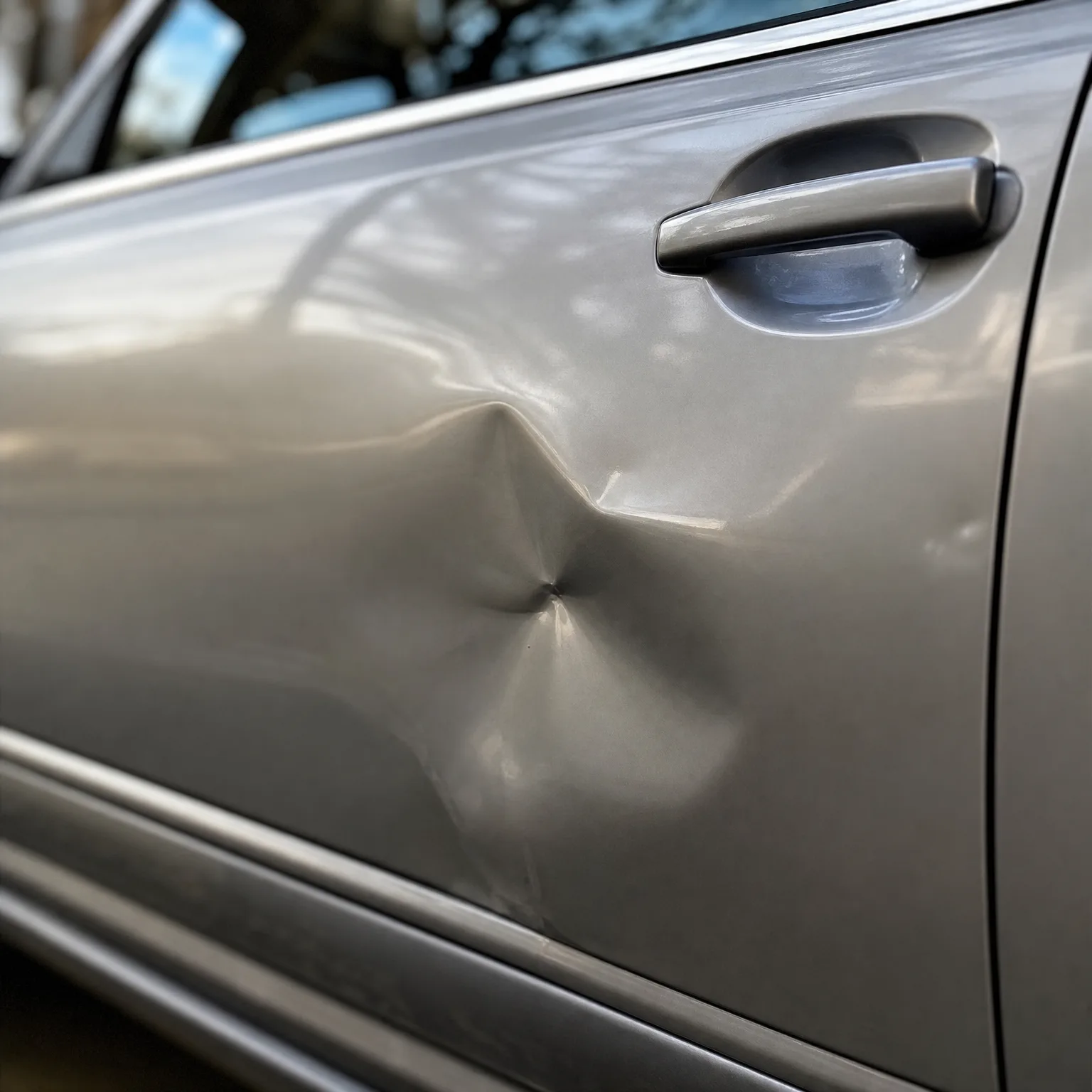
A tree branch crushes a windshield overnight
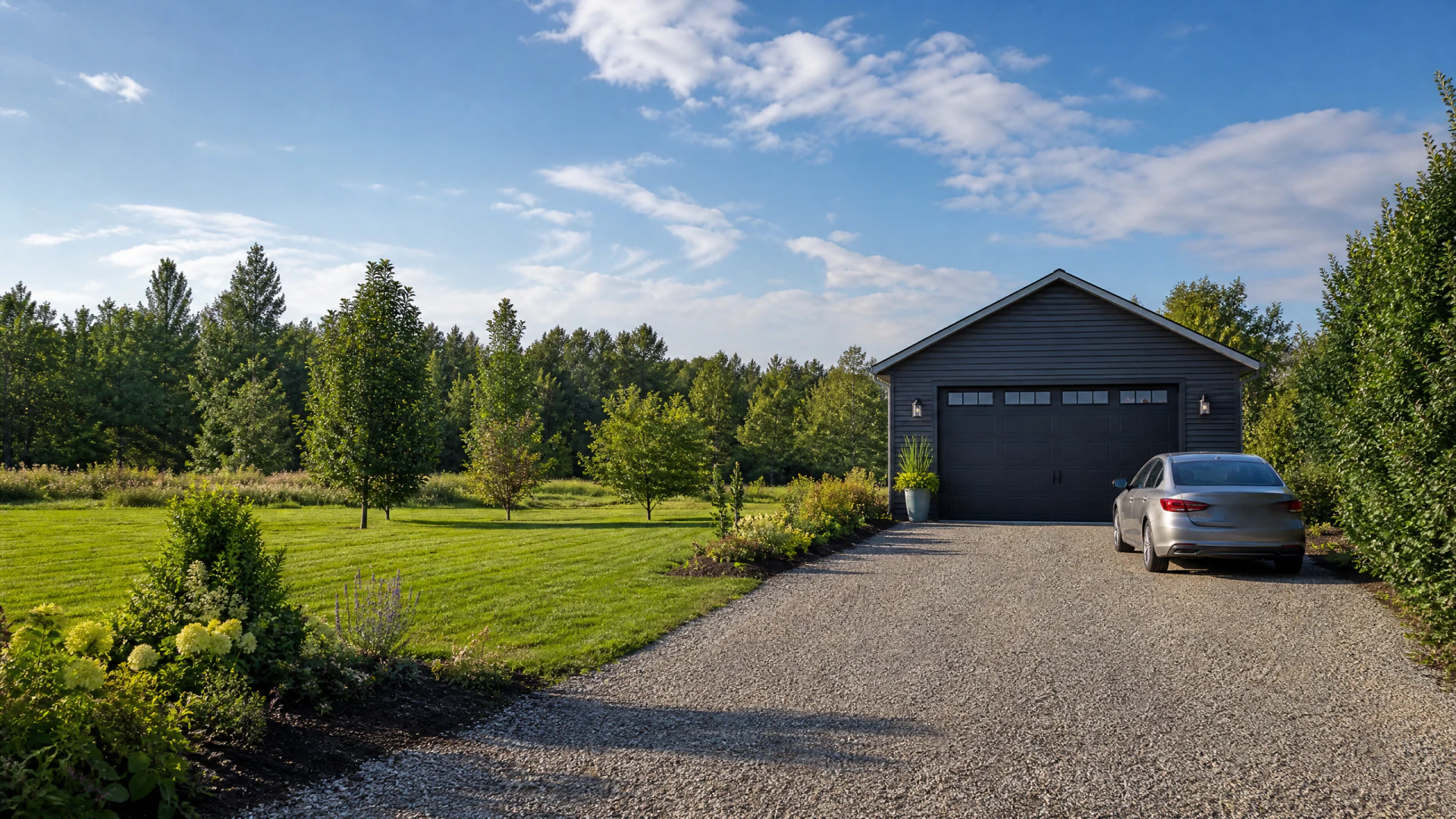
You wake up to find a large branch through your windshield after a storm. No one was hurt, no road was blocked, and it happened on your own driveway. You take photos right away, from multiple angles, showing the branch, the damage, and the tree it came from still standing in your yard.
You call your insurer before doing anything else. They tell you no police report is needed since there's no injury or public hazard, just photos and a claim form. You remove the branch once they confirm you don't need to leave the scene untouched, file the claim online, and a adjuster schedules an inspection two days later. The whole process moves forward without a single phone call to the police.
Once you know whether a report is required, compare quotes to see how a storm claim like this affects your rate.
Should you call the police anyway
If you do
You'll have an official record with a timestamp and description, useful if your insurer later asks questions or if the tree came from a neighbor's property and ownership gets disputed. It costs you a short wait and a few minutes answering questions.
If you don't
Your claim still moves forward with photos and your own account, since insurers mainly need proof of damage, not law enforcement involvement. If no one's hurt and no road is blocked, skipping the call usually changes nothing about your payout.
Does it matter whose tree it was if I want to file a claim?
It can matter, but not always in the way people expect. Your own insurance typically pays for the damage to your car regardless of whose tree fell, since comprehensive coverage is designed for exactly this kind of event.
Where ownership becomes relevant is if you want to pursue the neighbor's insurance instead of using your own, usually to avoid a claim on your record. That only works if you can show the tree was unhealthy or neglected, not just that a storm knocked it down. Healthy trees falling in bad weather are typically treated as accidents nobody caused, so check with your insurer about how they view your specific situation before assuming you can shift the cost elsewhere.

The report isn't what gets your claim paid, the photos and your insurer's own requirements are.