What Is My Garaging Address After Moving
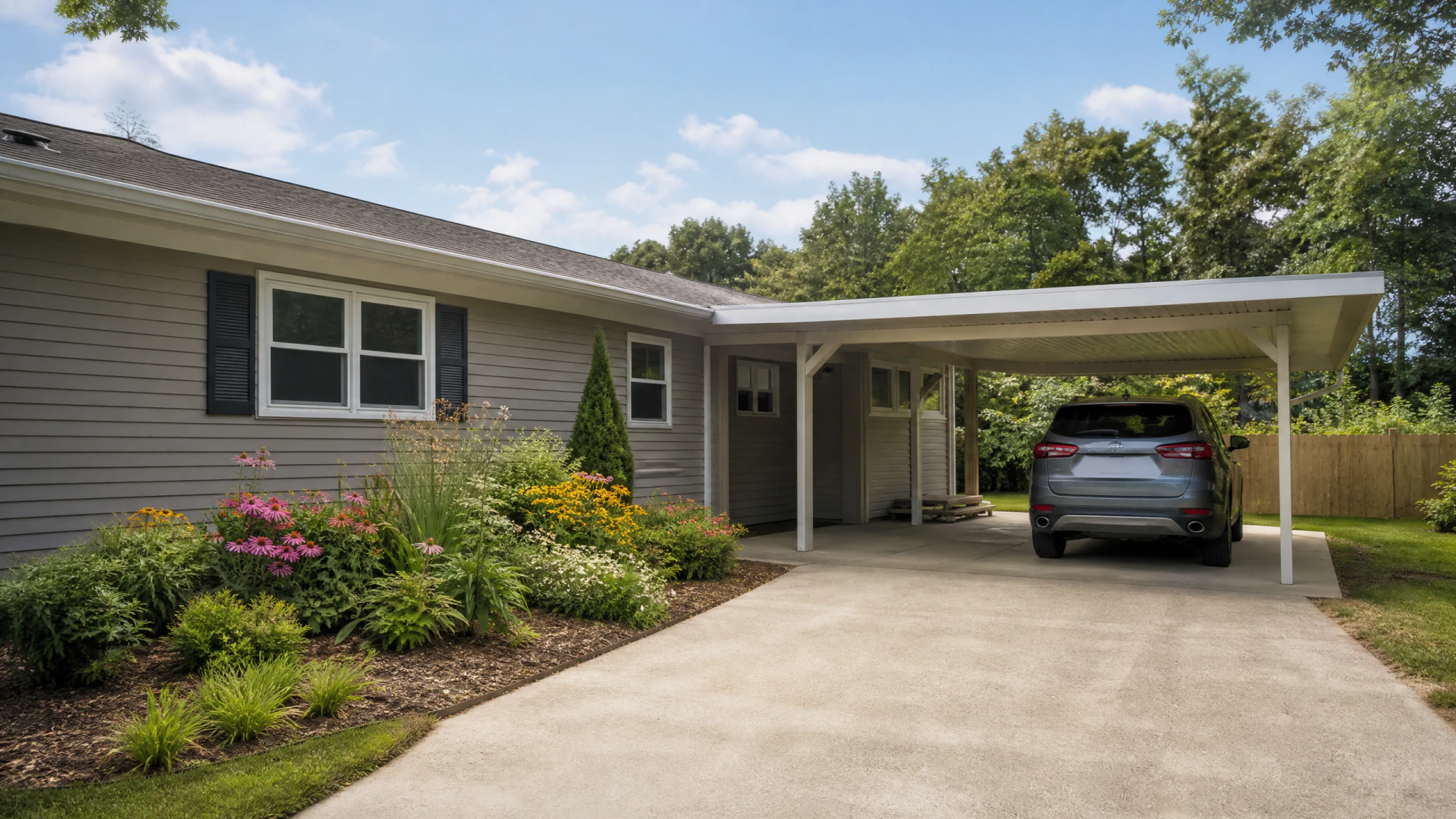
Your garaging address is simply the address where your car is parked overnight most of the time, which is now your new home.
Insurers price risk by location, so they need the real one
Your garaging address tells the insurer where your car actually spends its nights, because that location drives a lot of the risk math behind your premium. Theft rates, accident frequency, weather patterns, and even repair costs differ by area, and all of that gets tied to the address on file. When you move, that address changes, and so does the risk picture your insurer is pricing against.
This is separate from your mailing address or billing address, which just tell the insurer where to send paperwork. You could technically have mail going to a P.O. box while your car sits in a driveway across town, and the garaging address is the driveway, not the box. Insurers care about where the metal actually sits overnight.
Most of the time this works the same everywhere. You tell your insurer the new address, they recalculate based on the new location, and your policy continues with an updated rate that may go up or down. Where it gets different is in the details of what counts as a change significant enough to report, and some states or insurers have specific rules about how quickly you need to update it after a move. Check your policy documents or ask your insurer directly what their timeline expectation is.
There are edge cases worth knowing. If you keep a car at a second property, like one you still own or a parent's house, the garaging address is wherever that car spends most of its nights, not necessarily where you live full time. And if you're between addresses temporarily, staying with family before your new place is ready, that temporary location can be the right answer for a while, then you update again once you're settled.
What happens if I don't update my garaging address right away?
Nothing happens immediately, but you're carrying risk you don't need to carry. Your policy keeps working as before, covering accidents and claims normally, because the coverage itself doesn't vanish just because an address is outdated.
The real risk shows up if you ever file a claim and the insurer discovers the car has been living somewhere other than what's on file, especially if that mismatch looks intentional. That can slow down a claim, trigger extra questions, or in rare cases be treated as a misrepresentation issue. It's not usually catastrophic, but it's an unnecessary complication at the exact moment you need things to go smoothly. Updating it takes minutes and removes that risk entirely, so there's little reason to delay once you know your new address is settled.

The address on your policy should match where your car actually sleeps tonight, not where you used to live.
Update your garaging address first, then compare quotes so any new rate reflects where you actually live now.
A couple who moved across town and forgot to update it
A couple moved from an apartment near downtown to a house twenty minutes out, closer to open roads and a quieter neighborhood. They updated their mailing address with the bank and a few subscriptions, but the car insurance slipped their mind for a couple of months because nothing seemed urgent. Their coverage kept working fine, payments went through, and nothing felt different day to day.
Then one of them got a small door ding in a parking lot near the new house and filed a claim. The insurer asked where the car was usually parked, and the couple realized the policy still listed the old apartment. It didn't derail the claim, but it added a round of questions and a short delay while they confirmed the new address and the insurer recalculated the policy. Once they updated it, their rate shifted slightly to reflect the new area, and the next claim, if there ever is one, will go through without that extra step.
Does my car insurance rate go up or down when I move?
It depends entirely on where you're moving to and from, since rates are tied to local risk factors like accident rates, theft, and weather. A move to a denser area with more traffic often raises rates, while a move to a quieter area often lowers them. Ask your insurer for a quote at the new address before you assume either direction, because the actual number depends on your specific new location compared to your old one.
Do I need to update my address if I have a garage now and didn't before?
Yes, because having a garage can actually lower your rate, so it's worth reporting even if your address technically stayed the same. Insurers consider off-street covered parking lower risk than street parking, since it reduces exposure to theft and weather damage. Tell your insurer about the garage specifically, not just the address, since some systems track parking type separately from location.
Can I use a family member's address as my garaging address instead of my own?
Only if your car genuinely spends most nights there, since the garaging address has to reflect where the car actually sits overnight, not a convenient address. Using an address where the car doesn't really live is considered misrepresentation and can jeopardize a claim later. If you split time between two places, ask your insurer how they want you to handle it, since the rules on this vary by insurer.