Does Garaging Address Matter for Car Insurance
Yes, garaging address matters, because it's the main thing your insurer uses to judge risk and price your policy.

A couple moves across town and forgets one form
A couple bought a house about twenty minutes from their old rental, in a neighborhood with a lower rate of break-ins and a shorter commute for one of them. They updated their mailing address with the insurer right away, since that's the address on the bill, but didn't realize the garaging address was a separate field on the policy. Both addresses happened to get updated automatically when they called, but only because the agent asked where the car was actually parked each night.
If the agent hadn't asked, the policy would have kept listing the old rental as the garaging address while the car sat in a new driveway every night. That mismatch wouldn't have caused problems day to day, but it would have surfaced at the worst possible time, during a claim, when the insurer checks whether the details on file match reality. Because they caught it upfront, their premium adjusted to reflect the new neighborhood immediately, and they had one less thing to worry about if they ever needed to file a claim.
What if I garage the car somewhere different from where I live?
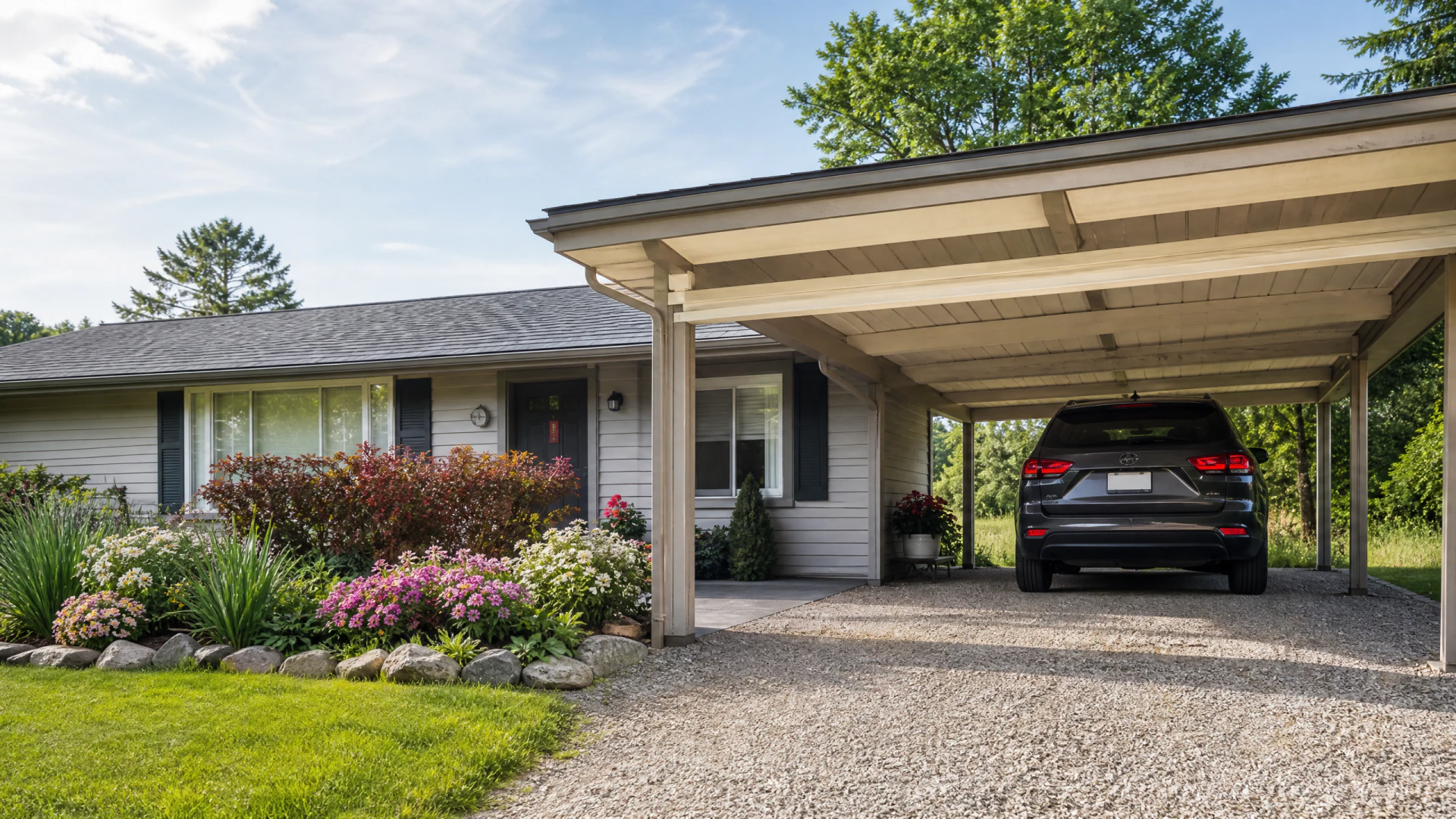
That's allowed, and it's common for people who park at a second home, a relative's driveway, or a secured lot near work instead of their own address. Tell your insurer the real location where the car spends most nights, not your home address, if the two differ.
The insurer will price the policy based on that garaging location, not your residence, because that's the address tied to theft, vandalism, and local accident patterns. Leaving it as your home address when the car actually sleeps elsewhere can cause the same mismatch problem as not updating after a move. If the arrangement changes again, update it again. There's no limit to how often you can correct it, and keeping it accurate costs you nothing extra.

Update your garaging address or leave it as is
If you do
Your rate adjusts to reflect where the car actually sits overnight, up or down depending on the area. Your coverage lines up with reality, so a claim won't trigger questions about mismatched information. It takes one call or a few minutes online, and most insurers process it the same day.
If you don't
Your premium stays based on an address that no longer matches where the car is parked each night. If you file a claim, the insurer may investigate the mismatch, which can delay payment or, in cases of clear misrepresentation, affect how the claim is handled. The risk sits quietly until something happens.
Update your garaging address first, then compare quotes using that same correct location.
Why your parked location shapes the price
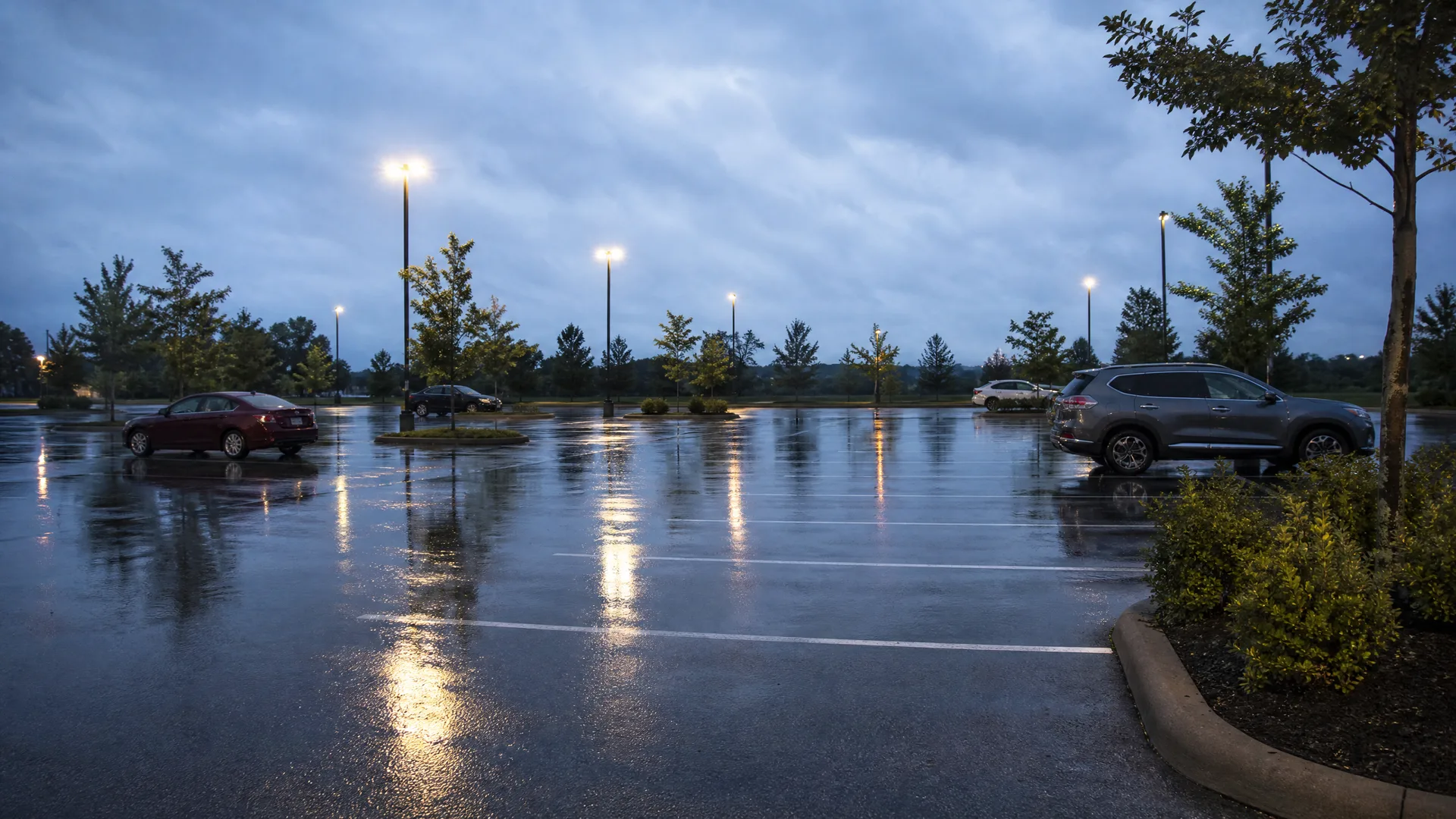
Car insurance prices risk, and a large share of that risk has nothing to do with how you drive. It's about what happens to the car when nobody's driving it, parked overnight on a street, in a garage, or in a lot. Insurers track patterns of theft, vandalism, weather damage, and even accident frequency by location, and the garaging address is how they apply those patterns to your specific car.
This is separate from your mailing address, which is just where the insurer sends paperwork. The two often match, since most people park at home, but they don't have to. Someone who lives in one place and keeps a car at a relative's house, a storage unit, or a second residence should list the place the car actually spends its nights. Insurers care about where the metal sits, not where the mail goes.
What counts as a meaningful change in garaging address varies by insurer and by state. Some rate heavily by zip code or even more granular local data, others use broader regions, and some states restrict how much location can factor into pricing at all. A move across town might barely move your rate, while a move to a different part of the same state could shift it more. Check your specific policy or ask your insurer directly, since there's no single rule that applies everywhere.
The exception is short-term parking. Street parking while visiting family for a weekend, or leaving a car at an airport lot for a trip, doesn't count as a garaging change. This is about where the car regularly and predictably spends its nights, not occasional or temporary stops. If you've genuinely relocated the car's home base, that's what needs to be reflected.

Your bill goes to one address, but your price is set by where the car actually sleeps.