Updating Your Address After Buying a Home
Update your address as soon as you move, because where you park overnight directly changes your coverage and your rate.
Your address is a risk calculation, not just contact info
Insurers price your policy partly on where your car spends its nights. Theft rates, accident frequency, weather patterns and even local repair costs differ by zip code, and all of that feeds into what you pay. When you move, that calculation changes whether the new number is higher or lower, so the company needs the real address to price it correctly.
This isn't optional paperwork. Your policy is a contract based on the information you gave when you signed up, and your address is part of that information. If you're in an accident and the insurer finds you were living somewhere else without telling them, they can question the claim or the policy itself. Updating it protects you as much as it protects their pricing.
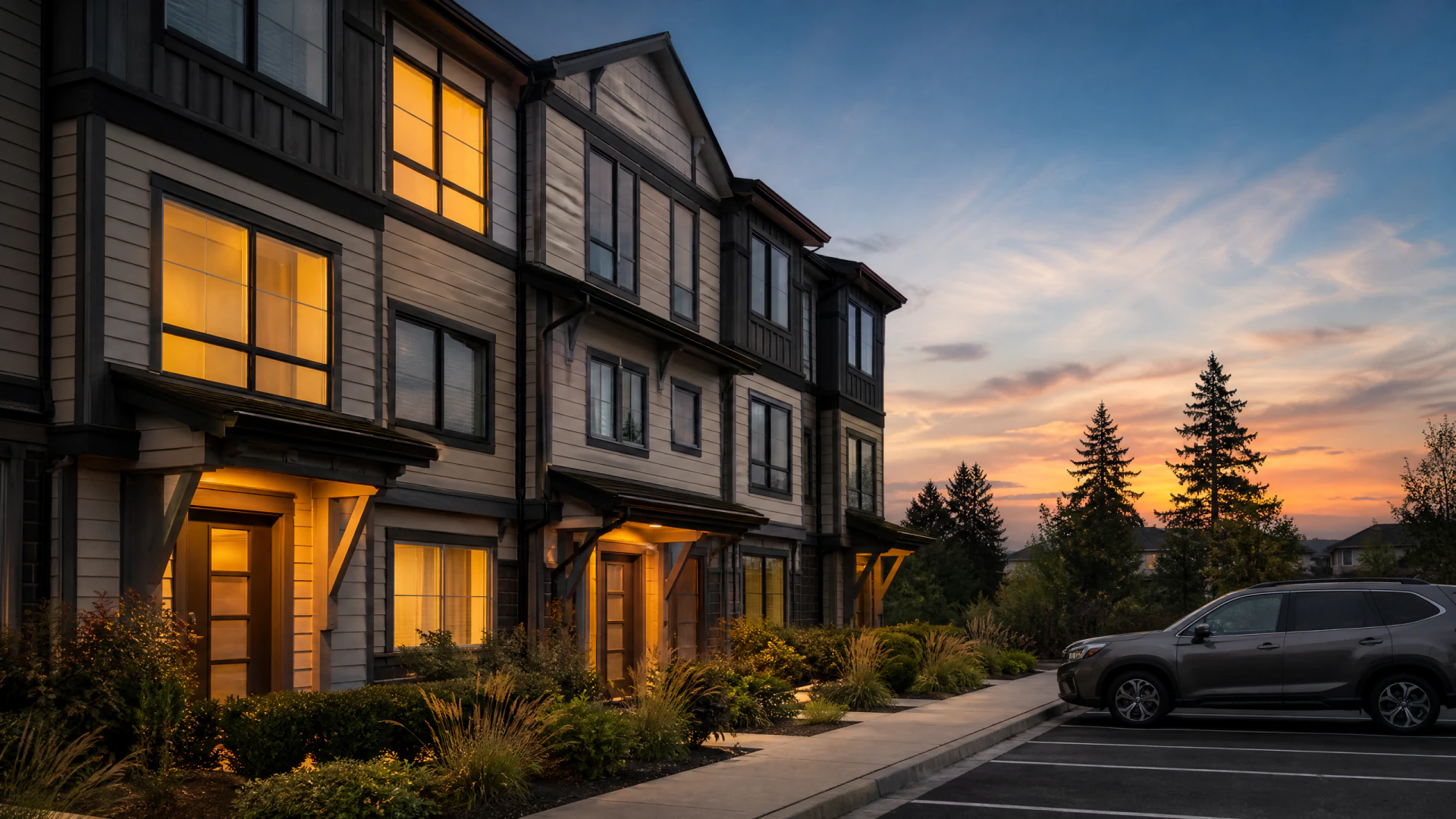
A garage can also change things, separate from the address itself. Cars parked in an enclosed garage overnight are less exposed to theft, weather damage and vandalism than cars parked on the street, so insurers often treat that differently. If your new home has a garage or covered parking and your old place didn't, mention that specifically when you update your policy, not just the new street address.
What varies is how much any of this moves your rate, and that depends on your state and your insurer's own rules. Some states regulate how heavily location can factor into pricing, and insurers weigh zip codes differently from each other. Ask your insurer directly how your new address and any parking changes affect your specific policy.
Will updating my address make my insurance go up or down?
It depends entirely on where you moved from and where you moved to, and there's no way to know without asking. A move from a dense urban area to a quieter suburb often lowers rates because of less traffic and theft risk, while the reverse can raise them.
Other factors travel with the address too. Local accident rates, weather exposure, and even how expensive it is to repair cars in that area all play in. The only reliable way to know your new number is to update your policy and ask for the new rate directly, then decide from there whether to shop around.
Your address is a pricing input, not paperwork, so updating it is a chance to re-shop, not a formality.
Once your address and garage details are updated, compare quotes to see whether your new rate is the best one available.
What to actually update when you move
- Street address This is the main factor insurers use to reprice your policy. Update it immediately, even before you've settled in, so your coverage is accurate from day one.
- Garage or parking type Tell your insurer if you now park in a garage, carport or driveway instead of the street. This can lower risk and may lower your rate.
- Commute distance If your drive to work changed length, your annual mileage estimate probably changed too. Update it since insurers price partly on how much you drive.
- State or county lines If you moved across a state or county line, check whether your current insurer even operates there. Some companies don't cover every state, so this affects your options directly.
- Bundling opportunity Since you now have a new homeowners policy, ask your car insurer if combining both policies lowers either premium. Not every insurer offers this, so ask directly.
A move across town that changed more than the commute
A couple bought their first home about twenty minutes from their old rental, trading a street parking spot for an attached garage. They kept driving the same cars and the same amount, so they assumed nothing on the insurance side needed attention beyond the new mailing address.
When they called to update it, the agent asked about the garage and recalculated their rate using the new zip code and the covered parking. The new number came in lower than what they'd been paying, enough that they decided to request quotes from two other insurers just to see if the drop was typical or if someone else would beat it. They ended up staying put, but only after confirming the price was actually competitive rather than assuming it was because it had gone down.