What Happens if I Do Not Update My Car Insurance Address
Leaving your old address on file can shrink your coverage and raise your rate, even before anything goes wrong.
Your address sets your rate and can limit your claim
Insurers price your policy partly on where your car actually sits overnight. Theft rates, accident frequency, weather, and repair costs all shift from one zip code to the next, so your address is one of the main inputs into what you pay. When you move and don't update it, the insurer is pricing a risk that no longer matches where you live.
This matters beyond the bill. Your policy is a contract based on the information you gave at signing. If you move and the risk changes meaningfully, the mismatch between what you told them and where you actually are can become relevant exactly when you need the policy most, during a claim. An insurer that discovers the gap after an accident may question the claim or adjust how much they pay, depending on how the mismatch affected the risk they priced.
How strictly this gets enforced varies by insurer and by state. Some will simply correct the rate going forward once they learn the real address. Others treat an unreported move as a bigger problem, especially if the new location would have changed the price a lot or if the move crossed state lines. Crossing into a new state is its own issue, since coverage requirements, minimum limits, and even what counts as valid proof of insurance can differ there.
The safest assumption is that your insurer wants accurate information and that keeping it current protects you more than it protects them. Updating your address doesn't guarantee a rate increase. Sometimes it lowers your premium. Either way, you want the number on file to be the real one before anything happens that forces the question.

What changes when you don't update your address
- Your rate may be wrong Your current rate reflects your old location's risk, not your new one. If the new area is cheaper to insure, you could be overpaying without knowing it.
- Claims can get complicated If an accident happens near your new home, the insurer may ask why your address doesn't match. This can slow down or affect how a claim is handled.
- State rules may not match If you moved to a new state, your policy might not meet that state's minimum coverage requirements. Check your new state's rules directly with the insurer.
- Mail can go astray Renewal terms, rate changes, and cancellation notices get sent to your address on file. Missing one of these can mean losing coverage without realizing it.
- Bundling discounts shift If you're bundling with a new homeowners policy, the insurer needs your real address to calculate that discount correctly. An old address can break the bundle math.
A couple who moved across town and put it off
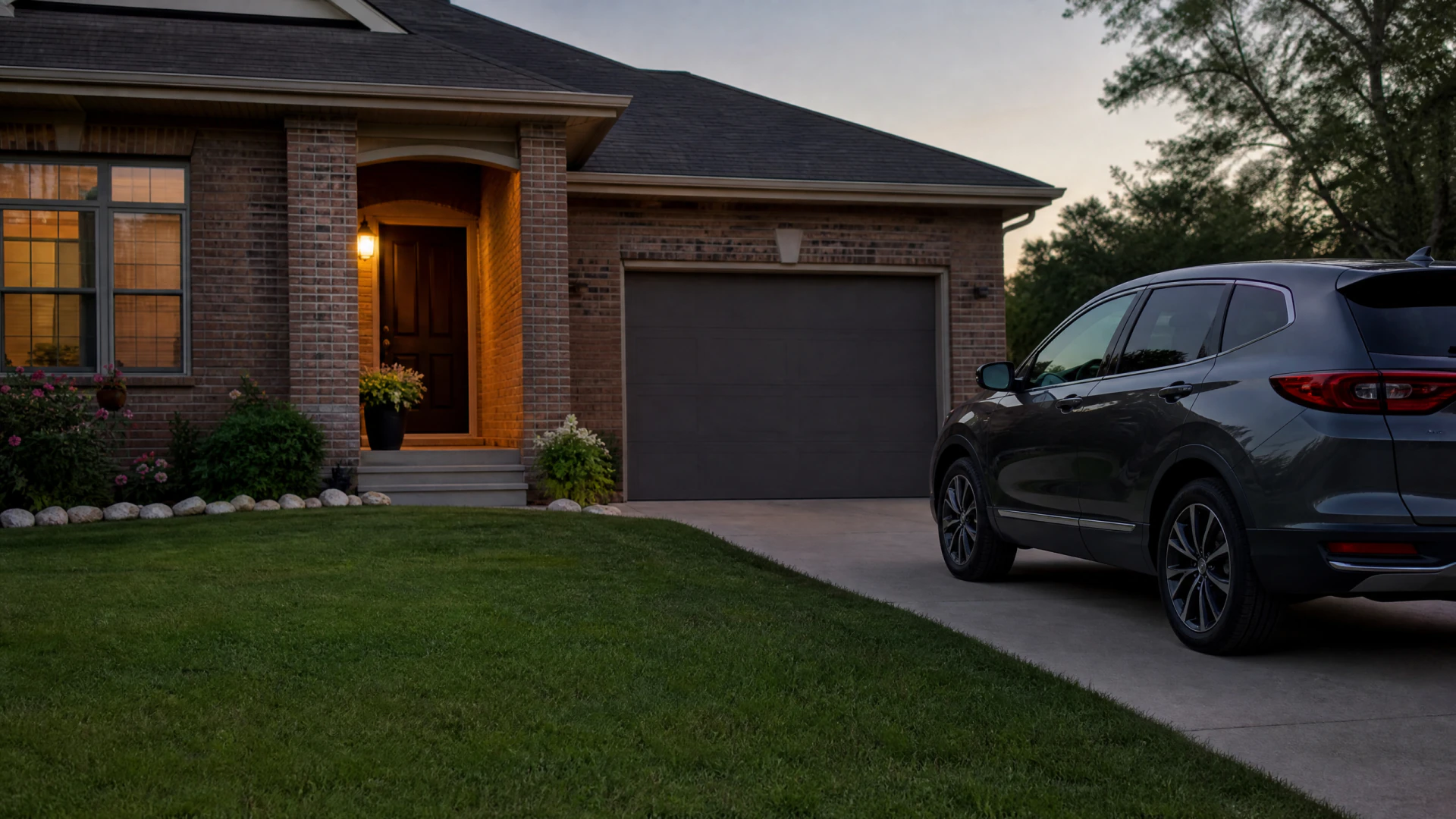
A couple bought their first house about twenty minutes from their old rental, in a neighborhood with less street parking and a reported lower theft rate. They were busy with the move, the mortgage paperwork, and setting up a new homeowners policy, so updating the car insurance address sat on a list for weeks. They kept driving on the old policy, assuming nothing would change since they hadn't been in an accident.
A few months in, one of them got a notice that the policy was up for renewal, sent to the old address, and it arrived late because the mail forwarding had expired. They almost missed the renewal deadline. When they finally called the insurer to update everything, the rate actually dropped slightly because of the new neighborhood, and bundling the car policy with the new homeowners policy brought it down further. They realized the delay had cost them a cheaper rate for months and nearly cost them continuous coverage entirely.
Update your address, then compare quotes to see what your new location actually qualifies you for.

Updating your address versus leaving it alone
If you do
You give the insurer your real location, so your rate reflects where you actually live. Mail and renewal notices reach you. If you're bundling with a home policy, the discount calculates correctly. A claim near your new home won't raise questions about mismatched information on file.
If you don't
Your rate stays based on your old location, which might overcharge or undercharge you. Renewal and cancellation notices may go to the wrong place. If you moved states, your coverage might not meet new minimums. A claim could get delayed while the insurer sorts out the discrepancy.
Will updating my address raise my car insurance rate?
It might, but not always, and the only way to know is to tell your insurer the real address and see the new number. Rates depend on local accident rates, theft statistics, weather patterns, and even repair costs in the area, so moving to a denser city or a higher theft area can raise the price while moving to a quieter suburb can lower it.
Some people avoid updating their address because they assume it will only go up, but that assumption is often wrong, and it leaves you paying an inaccurate rate either way. If the new number is higher than you'd like, that's exactly the moment to compare quotes from other insurers using your real address, since another company's pricing model might treat your new location more favorably even if your current insurer doesn't.
Your address is one of the main numbers your rate is built on, so an old one means an old, wrong price.