What Address to Put on My Car Insurance After Moving
Put your actual new home address on your car insurance, the one where the car is kept overnight, as soon as you've moved.
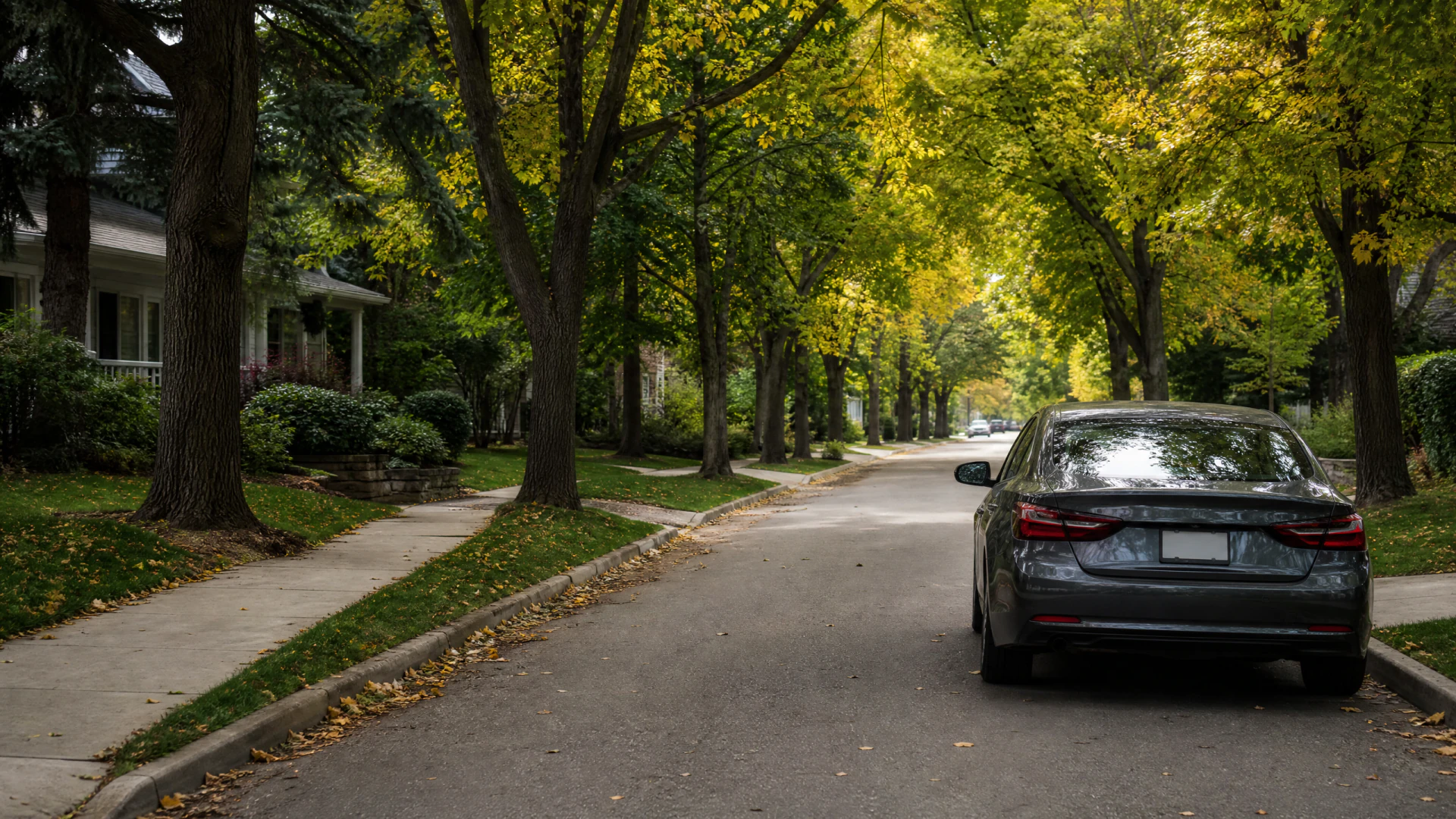
Your rate is based on where your car actually sleeps at night
Car insurance pricing is built around risk, and the biggest piece of that risk is location. Where you park overnight determines the odds of theft, vandalism, weather damage and the kind of traffic you'll be driving through, so your insurer needs your real address to price the policy accurately. This isn't optional paperwork, it's the foundation the whole policy sits on.
When you move, you're not just updating a mailing label. You're telling your insurer that your actual risk has changed, maybe for the better, maybe for worse. A new zip code can mean a shorter or longer commute, a different rate of local claims, a garage instead of street parking, or none of those things at all. The only way to know is to report the move and let the insurer recalculate.
Some insurers and some states treat this differently. A few will let you keep a policy active briefly during a short-distance move without changes, while others recalculate the moment you confirm a new address. Moving across state lines is its own category, since your policy may need to be reissued entirely under the new state's rules, with different required coverages and minimums. Check with your insurer directly when the move crosses a state line.
The cases where it works out differently usually involve timing. If you move but haven't closed on the new place yet, or you're splitting time between two addresses, tell your insurer the truth about where the car is actually garaged most nights. That's the address that matters, not the one on your driver's license or your mail forwarding.
What actually needs to happen when you update your address
- Report the move promptly Your insurer needs your current address to price the policy correctly. Call or update it online as soon as you have a confirmed new address, not weeks later.
- Confirm the garaging address This is where the car actually parks overnight, which may differ from your mailing address. Tell your insurer the real spot, even if it's a second home or a relative's driveway.
- Check state line changes Moving to a new state can mean different coverage minimums and a reissued policy. Ask your insurer directly whether your current policy transfers or needs replacing.
- Recheck your coverage limits A new neighborhood may change your exposure to theft, weather or accidents. Ask whether your current limits still make sense given the new location.
- Ask about bundling now Updating your address is a natural moment to ask if combining home and auto policies lowers your total cost. You don't have to decide today, but ask while you're already on the phone.
Now that you know which address to report, compare quotes to see what your new location actually costs.

Do you update your address right away or wait until renewal
If you do
You report the move immediately. Your insurer recalculates your rate based on real risk, your coverage stays valid for a claim, and if the new area is cheaper to insure, you start saving right away instead of waiting months for renewal to catch up.
If you don't
You keep paying a rate based on your old address. Worse, if you file a claim and your insurer discovers you moved without reporting it, they can question the claim or cancel the policy, leaving you exposed right when you need coverage most.
Will my rate go up or down after I update my address?
It depends entirely on where you moved and what your insurer sees there. A quieter neighborhood with a garage and lower local claims can lower your rate. A busier area with more traffic, theft or severe weather can raise it. There's no way to know in advance without your insurer actually recalculating based on the new location.
What matters more than guessing is making sure the number you end up with is accurate and current. Some people assume an address change always raises the price, so they delay reporting it, but that just means you're either overpaying for a safer area or underinsured for a riskier one. Once your insurer has the real address, you'll see the real number, and that's the only version worth comparing against other quotes.
The address on your policy is the number your whole rate is built on, so get it exactly right.