What Does Garaging Mean in Car Insurance
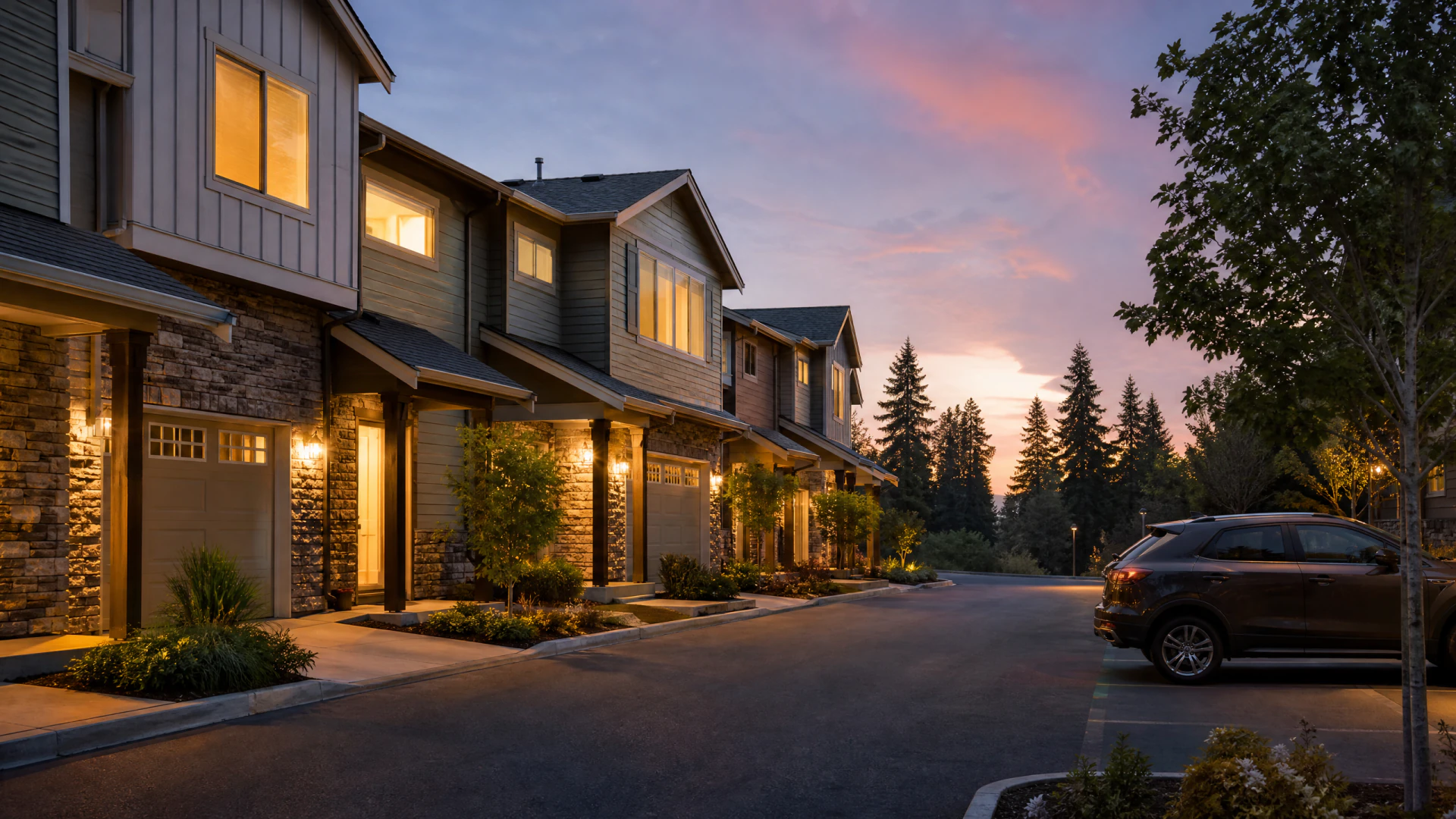
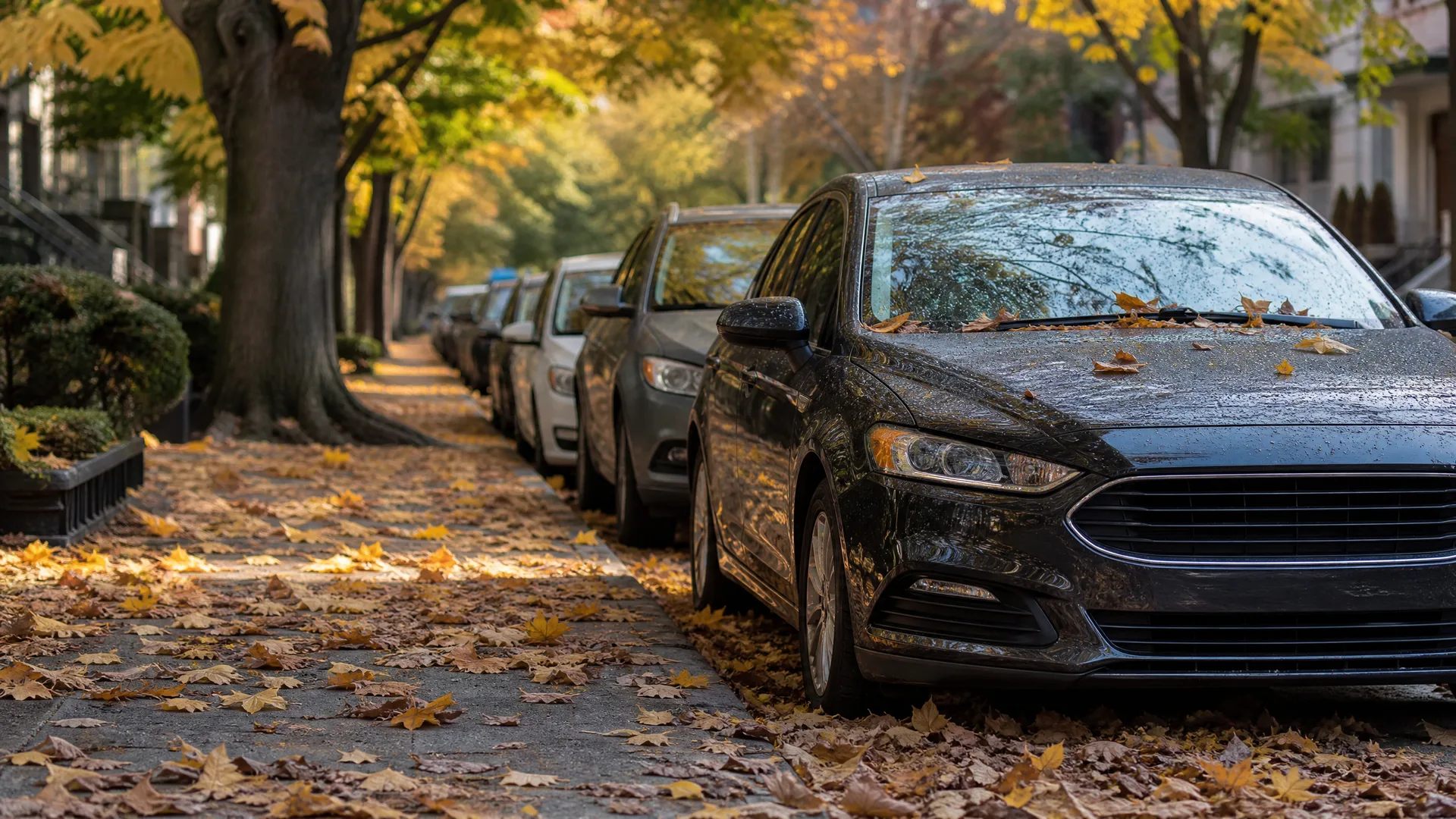
Garaging is simply the address where your car is parked overnight most of the time, and insurers price risk around that spot.
Your rate follows the car's overnight address, not where you live
Insurers price risk by location because location predicts cost. Theft rates, vandalism, weather, accident frequency and even local repair prices all shift from one zip code to the next, sometimes over just a few miles. The garaging address tells the insurer where your car actually spends its nights, which is when a lot of theft and weather damage happens, so it carries more weight than you'd expect.
This is also why garaging is separate from where you're listed as living. Most of the time the two match, but not always. Someone who keeps a car at a second home, parks at a relative's house, or splits time between two places needs to tell their insurer the real overnight spot, because that's the address the policy is actually priced against.
A garage or covered parking matters for similar reasons. A car parked under a roof is less exposed to hail, falling branches, and the kind of opportunistic theft or vandalism that happens to cars sitting on the street. Insurers often reflect that in the price, though how much it matters depends on the insurer and the neighborhood risk to begin with. In a low-risk area the difference might be small. In a denser or higher-theft area, covered parking can matter more.
What varies by state or insurer is how these factors get weighed and combined. Some states limit how much location can affect price, and insurers differ in how they define and verify garaging address. Check your policy documents or ask directly how your insurer defines garaging and whether a garage or covered spot is something they ask about or reward.

Moving into a house with a garage after years of street parking
A couple who'd rented an apartment for years, parking on the street every night, bought a first home with an attached garage. When they called to update their address on the auto policy, the agent asked where the car would usually be parked overnight. They said the garage, since that's where it would sit most nights once they settled in.
The insurer recalculated the policy using the new address and the garage detail together. The new zip code happened to have lower theft rates than their old neighborhood, and the covered parking added a bit more to that. Their renewal came back lower than what they'd been paying, not because they asked for a discount, but because the actual risk picture had changed and the policy caught up to it. They didn't change coverage or limits at all, just updated where the car lived.
The address your car sleeps at, not the one on your license, is what your insurer is actually pricing.
Once you know your garaging address and parking situation, compare quotes to see what that location actually costs.

What to check about garaging before you compare quotes
- Confirm the overnight address If the car sleeps somewhere other than your home address, tell your insurer. Pricing is based on where the car actually sits, not just your mailing address.
- Mention a garage or covered spot If you now park under a roof instead of on the street, say so. It can affect price depending on your insurer and area, so it's worth asking directly.
- Don't assume nothing changed A new zip code alone can shift your rate up or down based on local risk. Check your renewal details rather than assuming the premium just carries over.
- Ask how garaging is defined Insurers differ in what counts and how they verify it. A quick call clarifies what they need from you and avoids surprises at renewal or claim time.
- Recheck after future moves Garaging address isn't a one-time setting. Update it whenever where the car sleeps overnight changes, even if your mailing address doesn't.
Does my insurance address have to match my garaging address?
No, they can differ, and insurers expect you to report the real one. If you keep a car at a second home, a relative's house, or anywhere other than your listed address most nights, tell your insurer that location. Pricing follows the overnight address, not your mailing address, so leaving it wrong means your policy isn't priced on the actual risk. What changes the answer is how often the car is actually there. Occasional use is different from where it sleeps nightly.
Will a garage lower my car insurance rate?
It can, but how much depends on your insurer and your neighborhood's existing risk level. Covered parking reduces exposure to theft, vandalism, and weather damage, which insurers sometimes price in. In a low-risk area the effect may be small since there's little risk to reduce. Ask your insurer directly whether they factor in covered parking and how. Some do noticeably, some barely adjust for it at all.
What happens if I lie about my garaging address?
It can lead to a denied claim or a canceled policy, because the address affects how your risk was priced. Insurers can verify address through claims, inspections, or other records, and a mismatch raises questions at the worst time, when you're filing a claim. What matters most is accuracy at the start and anytime your situation changes. If you're unsure which address counts, ask your insurer rather than guess.