What Does It Mean to Be Principally Garaged
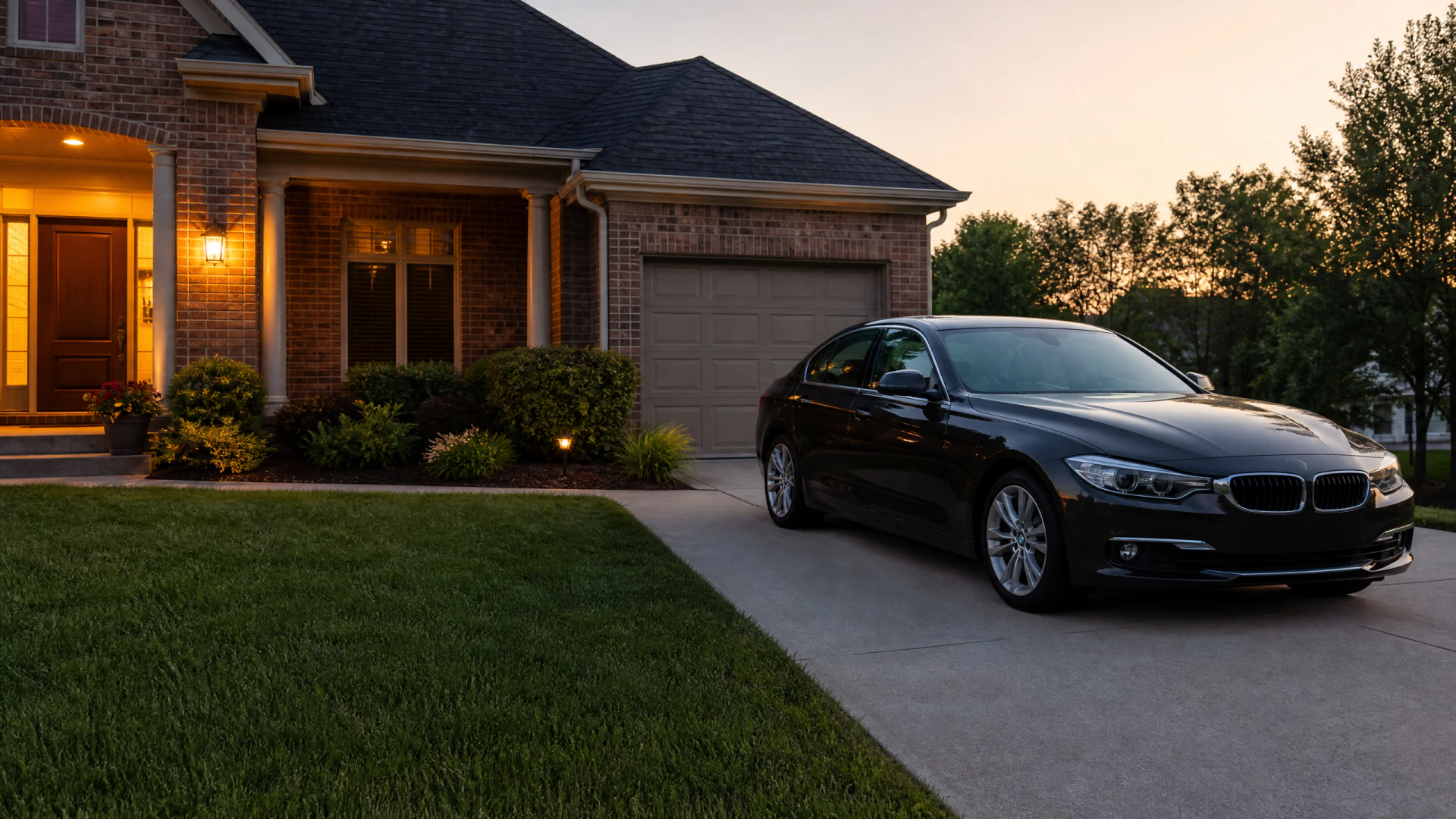
It means the address where your car is kept and parked overnight most of the time, and it's what your insurer bases your rate on.
Your rate is built around where your car actually sleeps
An insurer prices your policy around risk, and a big piece of that risk is geography. The place where your car spends most nights determines what it's exposed to, things like theft rates, how often accidents happen nearby, how dense the traffic is, and even weather patterns that cause damage. Your principally garaged address is how the insurer identifies that exposure.
This is different from where you're registered to vote or where your license was issued. You can own a car, title it in one state, and still principally garage it somewhere else if that's where it actually stays most of the time. Insurers care about the real, physical, overnight location of the car, because that's what drives claims.
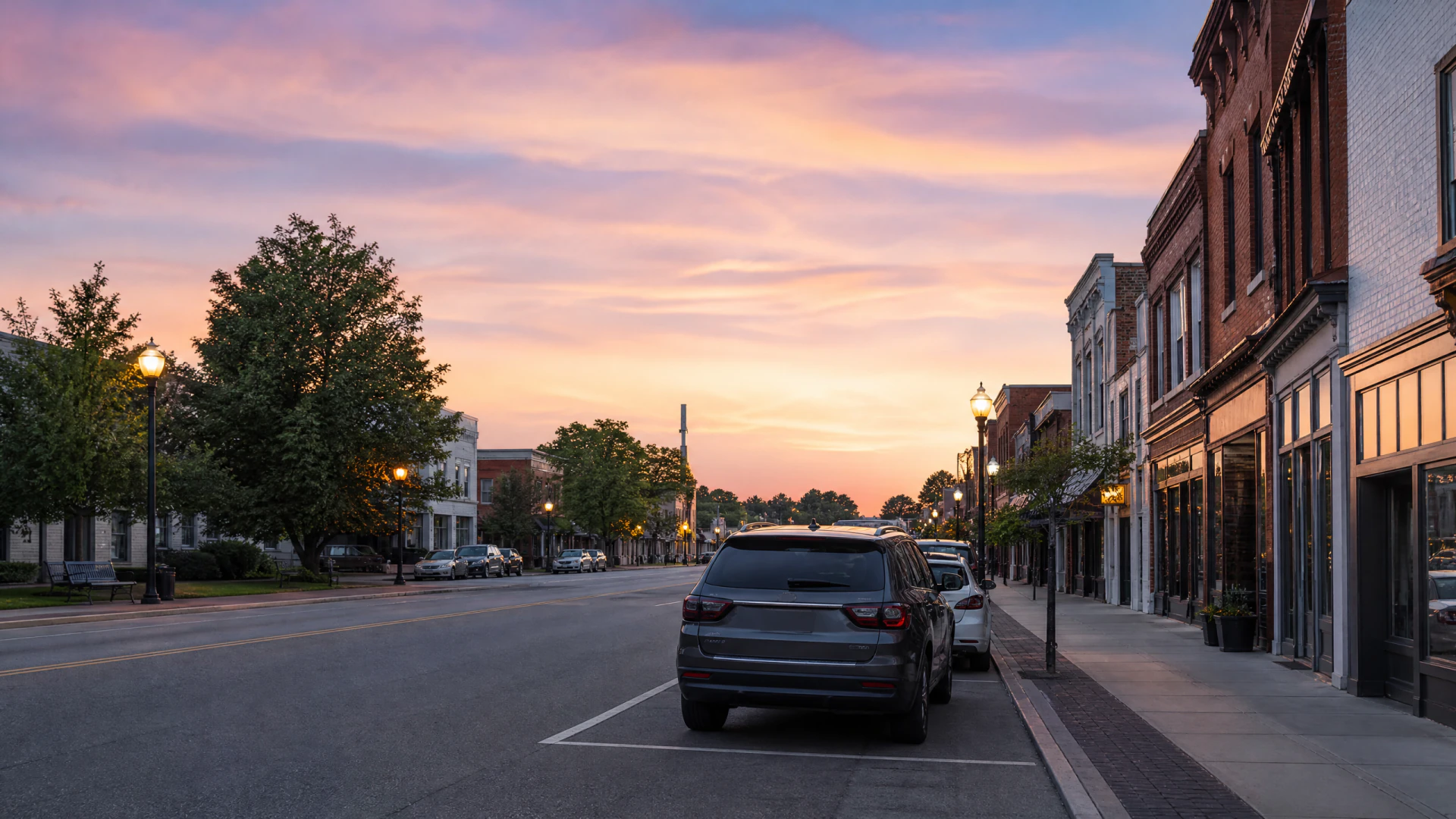
When you move, this address changes, and it changes your rate because the underlying risk changed too. A move from a dense urban area to a quieter suburban street often shifts the numbers, and so does the reverse. A garage or covered carport can also matter, since cars kept off the street tend to have fewer theft and weather claims than cars left exposed.
Where this gets less uniform is in how strictly it's enforced and what counts as proof. Some insurers ask for documentation like a mortgage statement or utility bill, others take your word for it initially and verify later. The rules about splitting a household across two garaging addresses, say if one car stays at a second property, also vary by insurer and sometimes by state. Check your policy documents or ask your insurer directly if this applies to you.

The short version
Being principally garaged means your car is identified by the address where it's kept overnight most of the time, and that address shapes your rate because it reflects real risk like theft and accidents nearby. After a move, update this address with your insurer right away, since an outdated one can affect both your price and your coverage.
Does my rate go up or down after I update my garaging address?
It depends entirely on where you moved and where you were before, there's no universal direction. A move to an area with less traffic, lower theft rates, or a garage instead of street parking often lowers your rate. A move into a denser area, or one with more accidents or break-ins, often raises it.
The only way to know is to get an updated quote after the change, since the insurer will recalculate based on the new address's actual risk profile. Don't assume your old rate carries forward unchanged, and don't assume a bigger house means a smaller bill. The address itself is doing the work here, not the size of your mortgage or how nice the neighborhood looks.
Now that you know your garaging address is set, compare quotes using it to see what your new address actually costs.

A move across town changes more than the mailing address
A couple bought a house about twenty minutes from their old rental, same city, different zip code. They updated their mailing address with the post office and figured the insurance side could wait until renewal. A few weeks in, one of them got rear-ended a few blocks from the new place, and during the claim the insurer asked where the car was principally kept overnight.
It turned out the new zip code had a different risk profile than the old one, and because they hadn't updated it, the policy was technically inaccurate at the time of the claim. The claim still went through, but the insurer flagged the discrepancy and asked them to correct the address going forward, which changed their premium at the next billing cycle. They learned to update the garaging address the same week they moved, right alongside the renters' change of address, instead of waiting for a renewal notice to remind them.
Do I need to update my garaging address even if I didn't change insurers?
Yes, the garaging address is tied to your car and your policy, not to which company you use. If you move and keep the same insurer, you still need to tell them the new address, since your premium and coverage accuracy depend on it being current. Skipping this step because you're staying with the same company doesn't avoid the requirement, and most insurers expect you to report address changes promptly regardless of tenure.
What happens if my garaging address is wrong when I file a claim?
An incorrect address can complicate a claim, though it doesn't automatically void it. Insurers may ask why the address on file doesn't match where the incident happened, and if the mismatch suggests you were misrepresenting your risk to get a lower rate, they can adjust your premium retroactively or scrutinize the claim more closely. The safest path is keeping the address current the moment you move, so this question never comes up.
Can I garage my car at a different address than where I live?
Yes, this happens when someone keeps a car at a second property, a parent's house, or a parking spot away from their primary residence. Insurers generally allow this but want the real overnight location, not your home address, since that's what determines risk. Check with your insurer about how they handle this situation, since documentation requirements and whether it affects your rate differently can vary.