What Are the Disadvantages of a Carport
A carport blocks sun and rain but not break-ins, falling branches, or the wind event that scatters debris across your new driveway.
Why a carport protects less than it looks like it does
A carport is open on at least one side, usually more. That open structure is exactly what makes it cheap to build and easy to park under, but it's also why it stops so little. Wind-driven rain still reaches the car. Dust, pollen, and tree sap still land on it. Hail that comes in at an angle isn't blocked just because the roof is overhead.
The bigger issue for someone who just moved is security and liability, not weather. A fully enclosed garage with a locking door is a real deterrent to theft and vandalism. A carport isn't. Insurers know this, which is why comprehensive coverage still matters as much with a carport as without one, and why you shouldn't expect your premium to drop the way it might if you'd mentioned an enclosed garage instead.
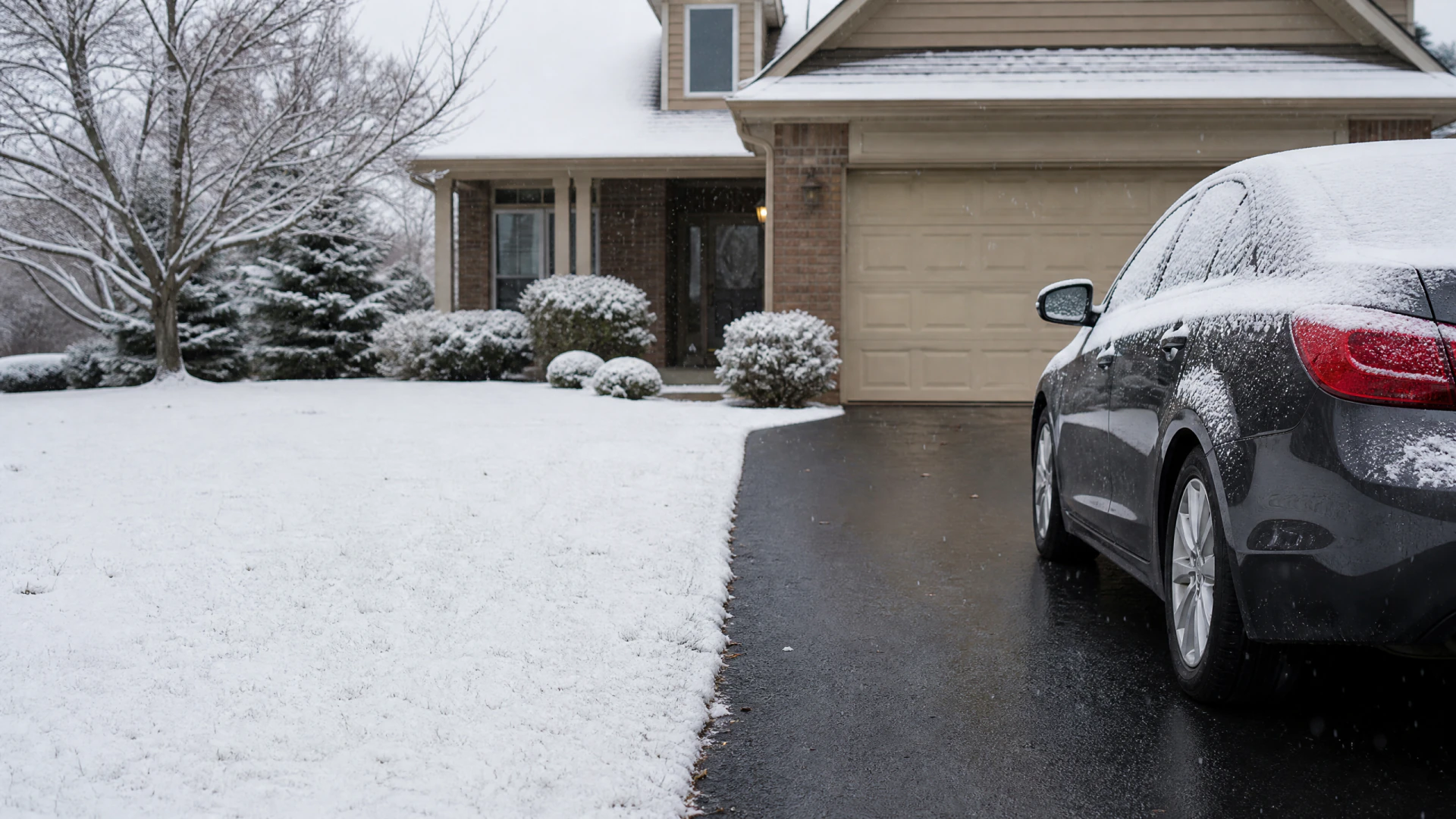
There's also a structural side that has nothing to do with the car. Carports are lighter structures than garages, often attached to the house or standing alone on posts. In areas that get heavy snow, strong wind, or severe storms, a carport can be damaged or collapse in conditions a garage would shrug off. If that happens while your car is underneath, the carport's own failure becomes the thing that damages your vehicle.
None of this means a carport is useless. It does cut down on sun damage to paint and interior, and it keeps light rain and frost off the windshield, which matters more in some climates than others. The disadvantages show up most when you expect carport-level protection to do garage-level work, especially when you're deciding what to tell your insurer or what coverage to keep now that your situation has changed.

The short version
A carport shields against sun and light rain but not theft, severe weather, or structural collapse the way an enclosed garage does. That gap matters for your coverage choices, not just your comfort. Tell your insurer exactly what you have, a carport or a garage, so your policy reflects reality.
Does having a carport instead of a garage raise my insurance cost?
It can, though it depends on the insurer and sometimes the state, so you'll need to check your specific policy rather than assume. Insurers that ask about parking location use it as one factor among many when pricing comprehensive coverage, because where a car sits overnight affects its odds of theft or weather damage.
A carport generally doesn't earn the same consideration a fully enclosed, locking garage does, since it doesn't offer the same protection. The effect is usually modest rather than dramatic. If you're bundling with a new home policy or shopping around after your move, it's worth asking directly how your insurer treats carports versus garages versus open driveways, since the answer isn't the same everywhere.
Now that you know what your carport covers, compare quotes to make sure your coverage fits reality.

What a carport won't do for you
- No real theft deterrent An open structure doesn't stop someone from breaking in or driving off. Keep comprehensive coverage and consider a steering lock or alarm if theft is a concern in your new area.
- Limited storm protection Wind-driven rain, hail at an angle, and flying debris still reach the car. Don't assume a carport means you can skip comprehensive coverage for weather events.
- Structural risk in bad weather Carports can collapse under heavy snow or strong wind since they're built lighter than garages. Ask your insurer how damage from a collapsing carport would be handled.
- Little effect on your premium Insurers generally don't treat a carport like an enclosed garage when pricing coverage. Report it accurately rather than guessing, since misreporting can cause problems with a claim.
- Doesn't stop everyday wear Dust, pollen, and tree sap still settle on an exposed car. It helps with sun and frost, but don't expect it to keep your car looking new.
A new homeowner finds out what their carport actually covers
A couple moves into a house with an attached carport instead of a garage. They assume it's close enough to a garage and mention it to their insurer expecting a discount similar to what a friend got for parking in an enclosed space. The agent explains that this insurer only applies that adjustment to fully enclosed, locking structures, and a carport doesn't qualify. They're a little annoyed but glad they asked before assuming it on a future claim.
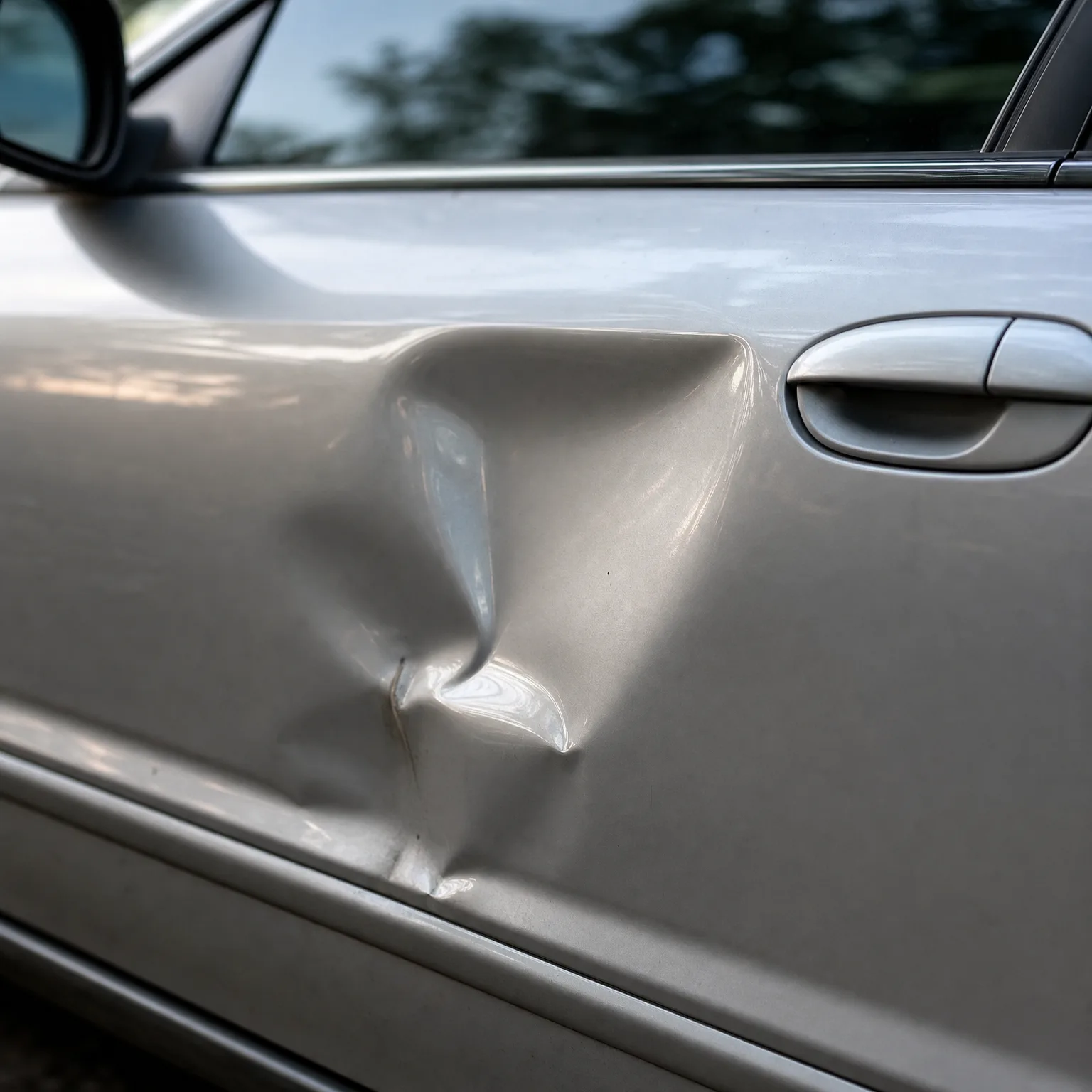
A few months later, a storm comes through and the open side of the carport lets in enough wind-driven hail to dent the hood and crack part of the windshield. Because they'd kept comprehensive coverage instead of dropping it to save money, the damage is covered. They end up switching insurers during their home and auto bundling decision, this time picking one that asks more detailed questions about parking structures, so future quotes reflect what they actually have instead of a guess.
Treat a carport as weather-resistant, not theft-proof or storm-proof, and keep coverage matching that.