What Are the Downsides of Using Car Covers
Car covers can trap moisture, scratch paint, and give false confidence, and none of that is why your insurance rates change.

A driveway, a new cover, and a surprise scratch
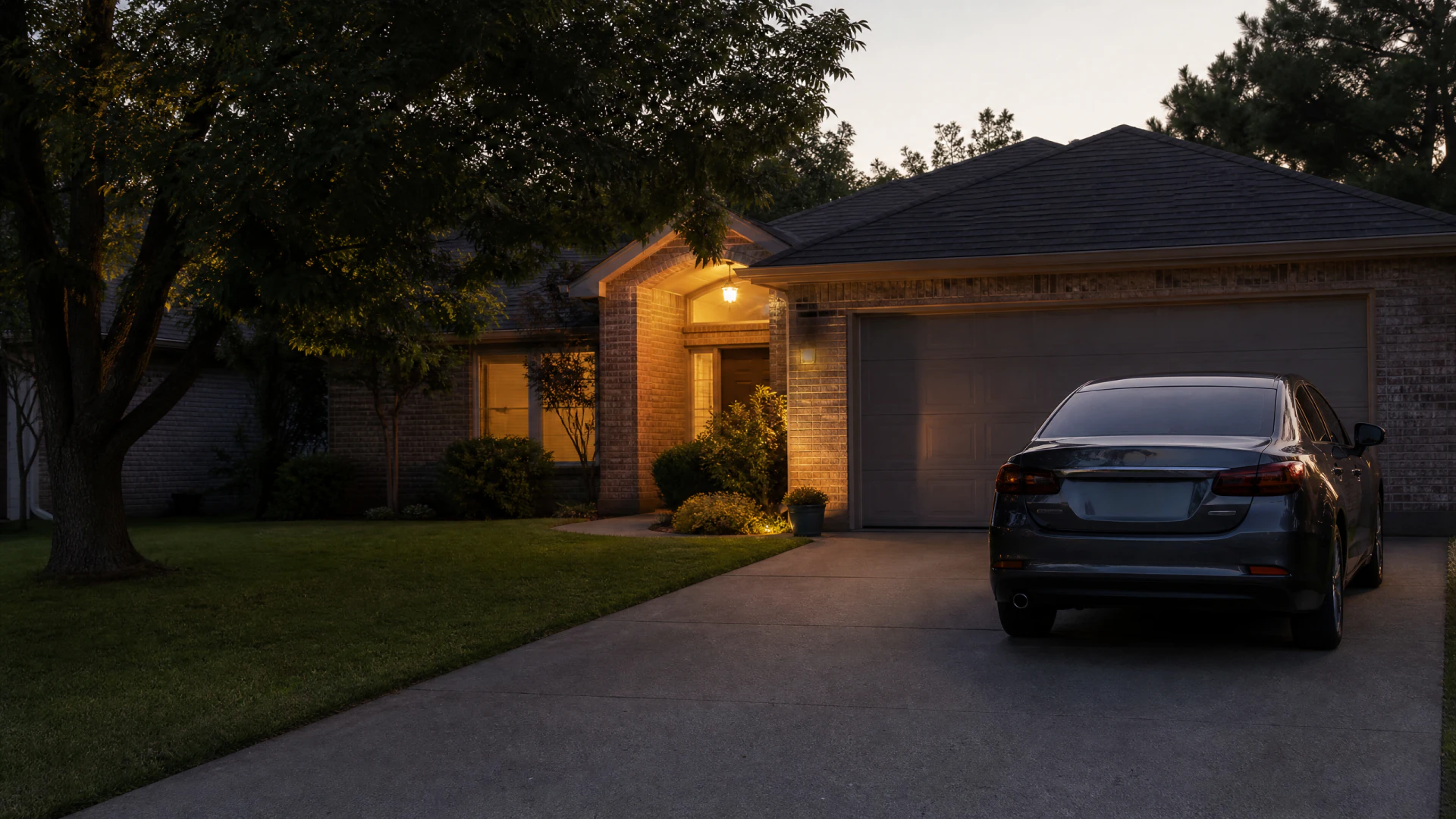
You just moved and your car now sits in the driveway instead of a garage at your old place. A cover feels like the obvious fix, so you buy one and start using it every night. A few weeks in, you notice fine scratches across the hood, right where the fabric rubs when wind moves the cover against the paint.
You also realize the cover kept in moisture after a rainstorm, and now there's a faint musty smell inside the car. None of this is something your insurance will touch, since it's wear and environmental damage, not an accident. You end up switching to a breathable, properly fitted cover and start parking closer to the house, out of the wind. The bigger decision still waiting for you, whether a garage changes your premium, has nothing to do with any of this.
Does a car cover lower my insurance rate like a garage does?
No, a car cover does not lower your insurance rate. Insurers price risk based on where the vehicle is stored overnight and what protects it from theft, vandalism, and weather exposure in a structural sense. A garage, carport, or secured lot changes that risk profile because it's a fixed, verifiable detail about the property. A cover is something you can remove, forget, or stop using, so it carries no weight in how an insurer calculates your rate.
If you're trying to lower your premium after moving, the detail that matters is whether the car sits in a garage, on a street, or in an open driveway. That's the question to answer honestly when you update your policy, not whether you've bought a cover.
A cover protects your paint, not your premium, so don't confuse the two when you're deciding what to update.
Once you know how your new address and parking actually affect your coverage, compare quotes with that settled.
Why a cover can hurt as much as it helps
A cover's job is to block sun, dust, and light weather, but it does that by sitting directly against your paint for hours or days at a time. If the material isn't breathable, condensation builds up underneath it, especially overnight or after rain. That trapped moisture can sit against the finish long enough to dull it, and in humid climates it can encourage mildew on the fabric itself.
Movement is the other problem. Wind makes a loose cover shift and flap, and grit caught between the fabric and the paint acts like fine sandpaper over time. A cover that fits snugly and is cleaned regularly avoids most of this, but a cheap or ill-fitting one often causes more cosmetic damage than it prevents.
There's also a false sense of security that comes with covering a car. Some people assume a cover deters theft or break-ins, but it mostly just hides the vehicle's make and model, which can work either way. It won't stop someone determined to get in, and it won't satisfy an insurer looking for proof of secure storage, since covers aren't a recognized security measure the way a locked garage or monitored lot is.
Where this plays out differently is with high-quality, breathable covers used correctly, taken off during the day, cleaned periodically, and fitted to the car's exact shape. Used that way, a cover genuinely protects against sun fading and light debris without the downsides. The problems show up when a cover becomes a permanent, low-maintenance habit instead of an active part of caring for the car.

Will a car cover void my insurance claim if something happens to the car?
No, a cover itself doesn't void a claim. Your policy still covers what it's written to cover, whether that's weather, theft, or collision, regardless of whether a cover was on the car. What matters is the cause of the damage and whether it fits your policy's terms. If a cover contributed to paint damage through trapped moisture, that's wear and maintenance, which standard policies don't cover anyway, cover or not.
Does parking in a garage actually lower my car insurance premium?
Often yes, but it depends on your insurer and state, so check your policy details or ask directly. Garages reduce exposure to theft, vandalism, and severe weather, which insurers factor into pricing in many cases. Since you just moved, this is worth confirming now, especially if your new home has a garage your old place didn't. Some insurers ask about parking location at renewal, others only if you report it.
Should I bundle my new home insurance with my existing car policy?
It depends on whether the combined price and coverage beat what you'd get shopping each separately, so compare both ways. Bundling often simplifies billing and can come with a discount, but not always the best one available. Since you're already updating details after the move, this is a natural time to get quotes both bundled and separate, then decide based on the actual numbers, not the convenience alone.