How to Bundle Insurance After Buying a House
Bundle your home and auto policies with the same insurer once you confirm the combined price actually beats shopping each one separately.
What to do before you combine the two policies
- Get a quote on both together Ask your home insurer what your car policy would cost with them, and ask your car insurer what the home policy would cost. Compare the combined total, not just the discount percentage.
- Update your address first Your car insurer needs your new address regardless of bundling. Where you park and garage your car changes your rate, so this has to happen either way.
- Recheck your liability limits A mortgage usually means more to protect, so your old limits may be too thin. Raise them now while you're already re-quoting everything.
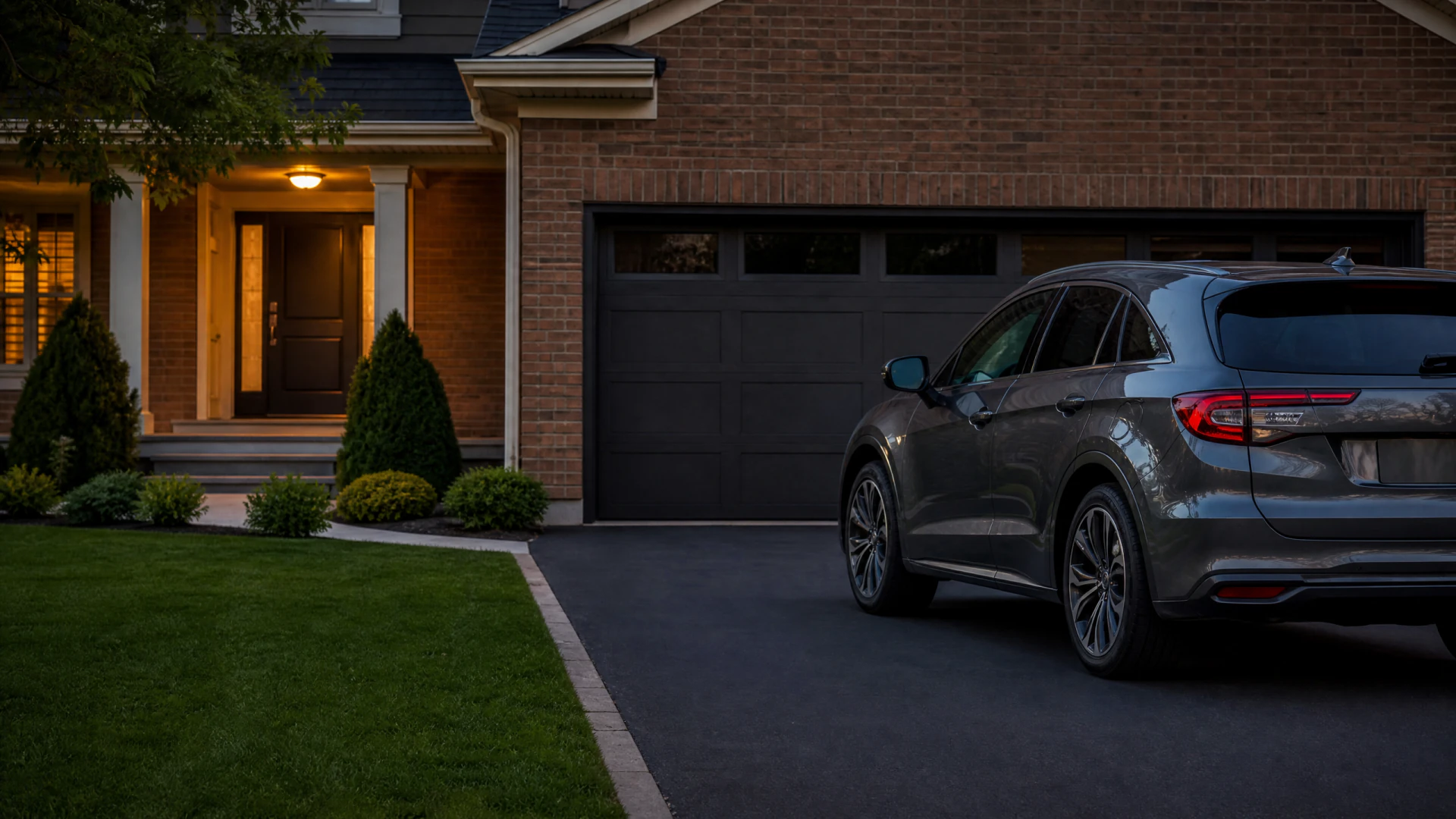
- Ask about a garage discount If your new home has a garage or covered parking, say so. Insurers often lower rates when a car isn't parked outside overnight.
- Don't let coverage lapse Never cancel your old policy until the new one's start date is confirmed. A gap in coverage can raise your rates later, even briefly.
The short version
Bundle your home and auto with one insurer only if the combined quote beats what you'd pay keeping them separate. The main reason to even check is that your new address, garage, and higher coverage needs already mean your old rate is outdated. Get quotes for both together and separately, then switch if the math favors it.
Does bundling always save money?
No. Bundling often saves money, but not always, and the only way to know is to compare. Insurers price home and auto differently, and one company might be competitive on home insurance but expensive on auto, or the other way around.
The discount for bundling is real, but it's a discount off that insurer's own rate, not off the cheapest rate available anywhere. If their auto rate is already high, a discount can still leave you paying more than you would with a separate, cheaper auto insurer.
This is why getting quotes matters more than assuming. Ask for the bundled price and then ask each insurer what the policies would cost on their own. Compare the actual total, not the percentage you're saving, because a large discount on an inflated rate is still a bad deal.
What changes the answer is how competitive each insurer is for your location, driving history, and home. There's no universal rule, only a comparison worth doing before you decide.
Now that you know what bundling should actually save you, compare quotes to see if it does.

Should you bundle with the same insurer
If you do
You get one bill, one renewal date, and often a real discount on both policies. Claims and address changes go through a single company, which simplifies things after a move that already has a lot of moving parts. You may also get a single point of contact for both policies.
If you don't
You keep two separate policies and two renewal dates, which takes more tracking but lets you choose the best insurer for each. You might pay less overall if no single insurer is competitive on both home and auto for your situation. You'll need to update your address and limits with each insurer separately.
Why the savings aren't guaranteed and what actually drives them
Insurers offer bundling discounts because keeping both your policies makes you less likely to leave either one, and because underwriting two policies for the same household costs them less than handling two unrelated customers. That savings gets passed to you, but only against that insurer's own starting price for each policy.
The underlying math is separate for home and auto. Your car insurance rate depends on your driving history, the car itself, where you park it, and your new commute. Your home insurance rate depends on the structure, its age, local weather risk, and rebuilding costs. An insurer can be excellent at pricing one and mediocre at the other, and the bundle discount doesn't fix that gap.
This is also why your move matters beyond the discount question. A new zip code changes your auto rate independent of bundling, because theft rates, accident frequency, and claim costs vary by area. A garage or covered parking can lower your rate further. None of this requires bundling to take effect, but all of it needs to be reported for your rate to be accurate.
Where bundling works out differently is when you have a unique situation, like a high value home, a classic car, or a driving history that one insurer prices very favorably. In those cases a specialist insurer on one side and a separate insurer on the other can beat any bundle. The rule that holds everywhere is simple even though the outcome varies. Always compare the combined total against separate best quotes, and let that number decide, not the discount label.
The discount is only worth taking if the total is actually lower, so compare the total, not the label.