Bundling Home and Auto Insurance
Bundling can lower your combined cost and simplify paperwork, but it only pays off if you compare it against separate quotes first.

A couple bundles after closing, then checks the math anyway
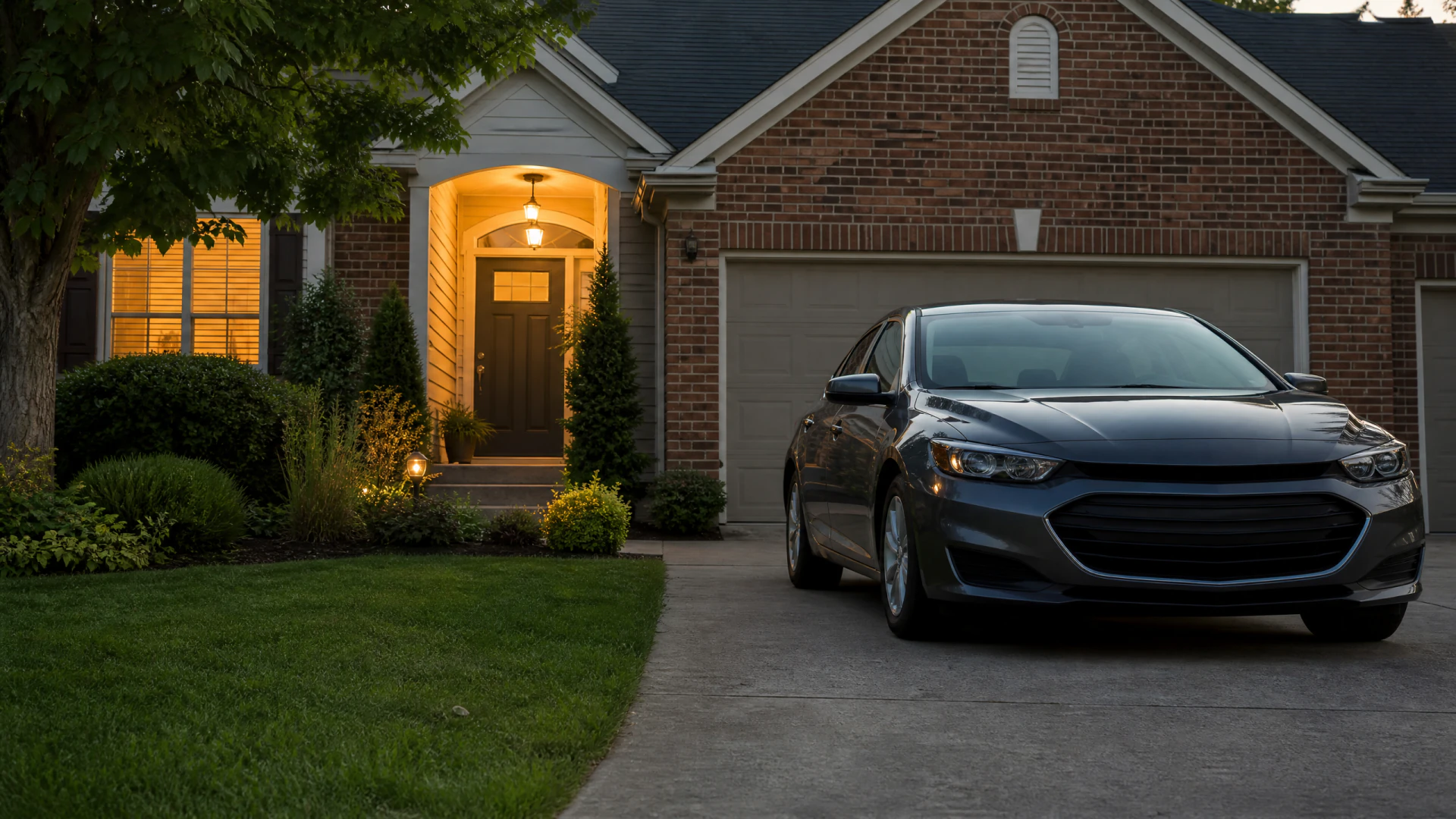
A couple bought their first house and their lender required proof of homeowners coverage within days of closing. Scrambling, they called their existing car insurer, who offered to write the home policy too and knock a bit off both premiums for bundling. It felt easy, so they almost stopped there.
Before signing, they spent twenty minutes getting two more quotes, one bundled from a different insurer and one with the home and auto policies split between separate companies. The split option turned out cheaper even after accounting for the lost discount, because their auto insurer's home rates weren't competitive in their new zip code. They went with the bundle that actually won on price, not the one that was simplest to arrange, and kept a note to compare again at renewal.
The short version
Bundling often saves money and always simplifies your paperwork, but the discount doesn't guarantee the lowest total price. The real reason to bundle is convenience plus savings when both check out. Get a bundled quote and at least one separate quote for each policy before deciding.
Will bundling actually save more than shopping each policy separately?
Sometimes, but not always, and you won't know until you compare both ways. The bundling discount is real, but it's applied to that insurer's starting price, which might already be higher than a competitor's unbundled rate for your home or your car.
The only way to know for sure is to get a bundled quote from one or two insurers and separate quotes for each policy from others, then compare the total cost of each approach. Your new zip code, your home's age and construction, and how many cars you're insuring all affect which route wins, so the answer that was right for your old address might not hold at your new one.
Compare a bundled quote against separate home and auto quotes so you can see which combination actually costs less.

Deciding whether to bundle your home and car insurance
If you do
You'll likely deal with one company, one bill or two synced bills, and one phone call if you need to adjust both policies. Many insurers apply a discount to each policy for bundling. You may also get more flexibility if you file claims on both at once, since one adjuster sees the full picture.
If you don't
You'll manage two separate policies, two renewal dates, and two companies if something goes wrong, which takes more organizing but isn't a real problem once it's set up. You might pay more in total if one insurer's bundle discount would have beaten paying each company separately. You'll only know by comparing both ways.
Does bundling home and auto insurance hurt my coverage quality?
No, bundling by itself doesn't change what's covered. Your home policy and your car policy remain separate contracts with their own terms, even when the same company issues both. What can vary is which insurer offers the strongest coverage options for your specific home or car, so check that the bundled insurer's policies fit your needs, not just that the price is lower.
Can I bundle if my spouse or partner has their own separate car insurance?
Usually yes, most insurers let you add a second driver or a second vehicle under one combined auto policy, which then bundles with the home policy as usual. Some situations, like a partner with a very different driving history or a car registered elsewhere, can affect pricing or eligibility, so ask the insurer directly how they handle a second driver before assuming the bundle works the same way.
What happens to my bundle discount if I switch car insurers later?
You'll typically lose the bundling discount on your home policy unless you move both policies to the new insurer together. Some insurers let you keep a standalone home policy with them even after your auto policy leaves, just without the discount. Check your specific policy's terms, since this varies by insurer, and factor that into any decision to switch only one policy.