How Do I Get Delivery Driver Insurance
You get it by telling your insurer you deliver for pay and adding the commercial or rideshare-style endorsement they require for that.
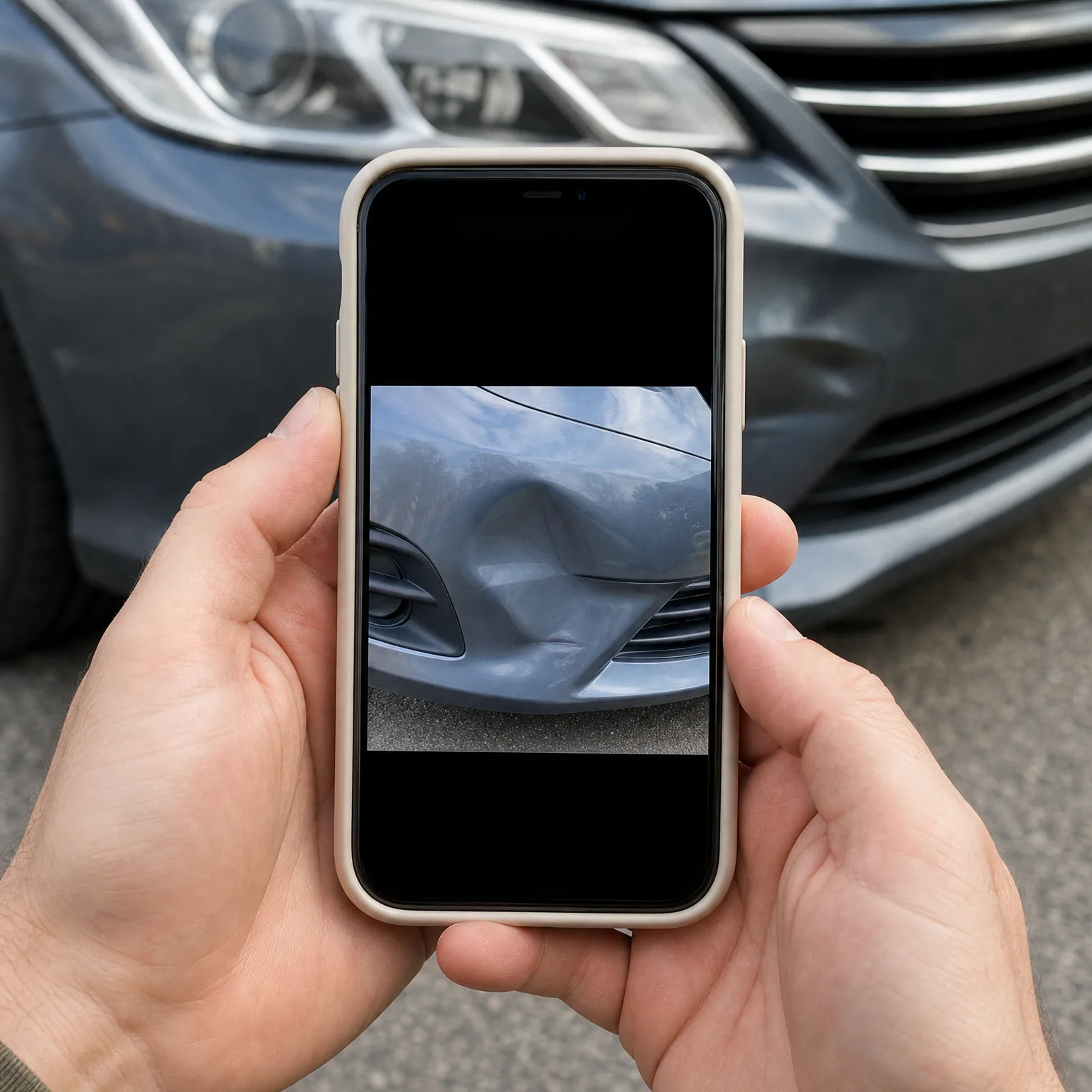
Here's what getting covered actually involves
- Tell your insurer the truth Your personal policy likely excludes delivery work unless you disclose it. Call your insurer and say exactly what you deliver and how often, so they can tell you what's required.
- Ask about the right endorsement Many insurers offer a add-on built for delivery or rideshare drivers that fills the gap between personal and commercial coverage. Ask specifically for this by name since not all companies offer it.
- Check your app's coverage Some delivery platforms carry insurance while you're actively on a job, but coverage often drops the moment you're just waiting for a request. Get this in writing so you know exactly when you're exposed.
- Compare personal and commercial If delivery is your main income or you drive a lot of hours, a full commercial policy may fit better than an endorsement. Get quotes for both and compare what each actually excludes.
- Update before your first shift Driving for pay without telling your insurer first can void a claim after an accident happens. Make the call and get the endorsement active before your first delivery shift.
Will my current car insurance just cover me while I deliver?
Almost certainly not, unless you've specifically added coverage for it. Standard personal auto policies are written around commuting and errands, not driving for pay, and most contain a clear exclusion for using your car to deliver goods or food for money.
This matters because the exclusion isn't a technicality insurers overlook. If you're in an accident while delivering and your insurer finds out, they can deny the claim entirely, leaving you responsible for damage, medical bills, or a totaled car. The delivery company's insurance may or may not step in, and often only covers specific windows of time during a shift.
The fix is straightforward even if the coverage gap is a real risk. Call your insurer, describe your situation honestly, and ask what they require. Some will add an endorsement, some will tell you a commercial policy is your only option, and either way you'll know before it costs you.

Telling your insurer you deliver versus staying quiet
If you do
Your insurer reviews your situation and either adds the right coverage or explains your options clearly. Your premium may go up, but you know a claim will hold up. You deliver with a real safety net instead of hoping nothing happens.
If you don't
You keep your current premium for now, but you're driving with a policy that can be voided the moment an insurer discovers you deliver for pay. One accident during a shift could mean a denied claim, a canceled policy, and costs you pay entirely yourself.
Now that you know what coverage delivery driving actually requires, compare quotes built for it.
Why personal policies won't stretch to cover this
Personal auto insurance is priced and written around how most people drive, which is commuting, errands, and occasional long trips. The moment you start driving for pay, your risk profile changes in ways insurers track closely. You're on the road more, often in more traffic, making more stops, and carrying goods for someone else's business. That's a different risk, and insurers price personal policies without accounting for it.
This is why most personal policies contain a livery or delivery exclusion, sometimes stated plainly and sometimes buried in definitions. It's not that insurers assume you're a worse driver. It's that the math behind your premium was never built to include commercial use, so they exclude it to keep the pricing accurate for everyone else on a personal policy.
What fills the gap varies by insurer and by state. Some insurers offer an endorsement built specifically for delivery or rideshare driving, which extends your personal policy to cover that use without requiring a full commercial policy. Other insurers don't offer this at all and will tell you a commercial policy is the only option. Some delivery companies carry contingent insurance that covers you during an active delivery, but the details of when that coverage starts and stops differ by company, so you have to check your specific platform's policy rather than assume it works like another one.
How much of a gap you actually have depends on how often you deliver and for whom. Occasional delivery for one platform is a different risk than driving for multiple apps most days of the week. That's worth mentioning to your insurer, since it often determines whether an endorsement is enough or whether you need something closer to commercial coverage.
Does my delivery company's insurance cover me if I get in an accident?
Only during specific parts of your delivery, and the timing varies by company. Many platforms only provide coverage once you've accepted a delivery, not while you're waiting for one, and the coverage often has conditions tied to using their app actively. Get the exact terms from your delivery company directly rather than assuming you're covered the whole time you're working.
How much does delivery driver insurance typically add to my bill?
It depends on your insurer, how often you deliver, and whether you need an endorsement or a full commercial policy. An endorsement usually costs less since it extends your existing policy, while a commercial policy is priced separately and tends to cost more. Ask your insurer for a specific quote based on your delivery hours and vehicle, since generic estimates won't reflect your real situation.
Can I get dropped from my insurance if I deliver without telling them?
Yes, this can happen if your insurer discovers undisclosed delivery driving, especially after a claim. Some insurers cancel the policy outright, while others may deny the specific claim and let the policy continue. Either outcome leaves you exposed, so check your policy's disclosure requirements and update your insurer before you start driving for pay.