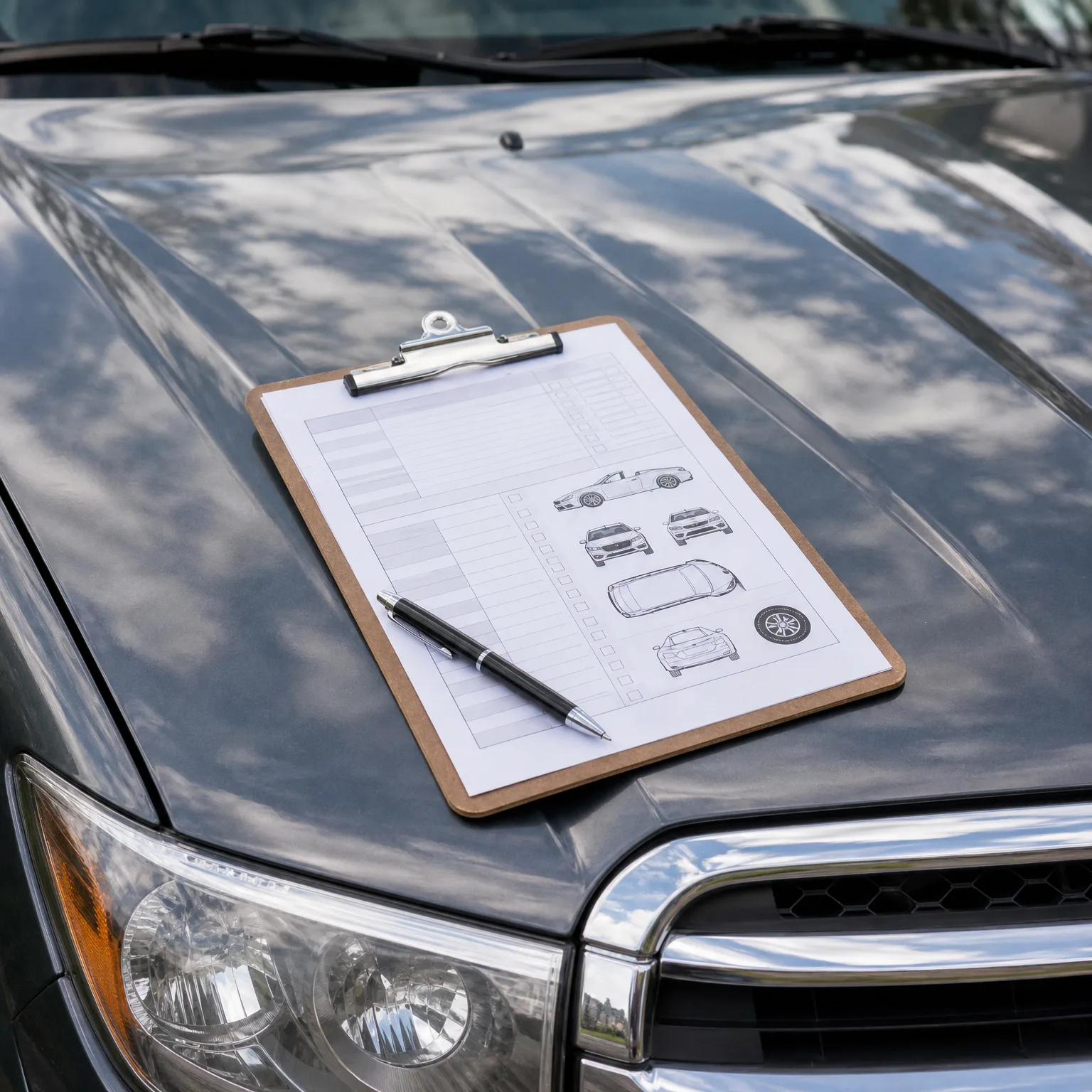
Driving for a Home Business
Driving for a home business often needs a policy change, because personal car insurance assumes personal use only.
Personal policies stop covering you once driving means work
Car insurance is priced and written around how a vehicle gets used. A standard personal policy assumes you drive to work, to the store, to see people, and that the car sits idle most of the day otherwise. Once you start using that same car to deliver products, visit clients, haul supplies or run errands that are part of how you make money, you've changed the risk the insurer agreed to cover, even if nothing about your actual driving feels different to you.
This matters because claims get denied based on what the car was being used for at the moment of the accident, not on what your policy generally says. If you're hauling inventory to a client and get in a crash, and your insurer discovers the trip was business related, they can deny the claim entirely, leaving you to cover the damage and any liability yourself. The frequency and purpose of the driving both factor in, so occasional use often falls into a gray area that insurers treat differently from daily, essential use.
How strictly this gets enforced varies by insurer and by state, and so does what counts as business use in the first place. Some treat a once-a-month supply run very differently from daily client visits or deliveries. Ask your insurer directly how they define business use and whether your specific pattern of driving qualifies, rather than assuming your situation is too small to matter.
The fix usually isn't a full commercial policy, which is built for fleets and heavier business use. Many insurers offer an endorsement or add on specifically for this middle ground, extending your personal policy to cover business use without the cost or complexity of a commercial one. Ask about this option by name when you call.
The short version
If you drive your car for your home business, even occasionally, your personal policy may not cover claims that happen during that use. The fix is usually a business use endorsement added to your existing policy, not a full commercial one. Call your insurer and describe exactly how you use the car for work.
Does my home business insurance also cover my car?
Usually not. A home business policy, sometimes called a business owner's policy or a home based business endorsement, is built to cover your business property, liability and sometimes lost income. It rarely extends to vehicles, because auto coverage is regulated and priced separately from general business liability.
Your car needs its own coverage for business use, separate from whatever protects your business itself. Ask your car insurer about a business use endorsement, and ask your business insurer whether their policy includes any vehicle coverage at all, since a few do offer limited extensions. Don't assume one policy covers the other just because both relate to your business.
Compare quotes for a policy that actually covers how you use your car for business, not just how you used to use it.

Whether you tell your insurer you drive for your business
If you do
You describe your driving honestly, and your insurer adds the coverage or endorsement that matches it. Your premium may go up a bit, but a claim during a work trip gets paid. You know exactly where you stand before anything happens, instead of finding out during a dispute.
If you don't
Your premium stays the same for now, but any claim during business use becomes a gamble. The insurer can investigate the purpose of the trip and deny the claim if it looks business related. You'd be covering repair costs, medical bills or liability entirely on your own, right when you can least afford it.
A graphic designer who started delivering printed materials to clients
She ran a small design business from home and mostly worked online, but a few clients wanted printed proofs dropped off in person. She used her own car for these trips, maybe twice a month, and never thought to mention it to her insurer since it felt minor compared to her daily commute. A fender bender happened on one of these drops, and when she filed the claim, the insurer asked detailed questions about where she was going and why.
Because she answered honestly, the insurer flagged the trip as business use and started reviewing whether her policy covered it. It did, but only after she called her insurer directly, described her delivery pattern, and added a business use endorsement they offered for exactly this situation. The claim was eventually approved, but the review added weeks of delay and stress she could have avoided. She called her insurer the next week and made the change proactively, so future trips would be covered without any question.
Can I deduct car insurance as a home business expense?
Often, yes, for the portion of use that's actually business related. You generally track business mileage versus personal mileage and apply that ratio to your total car expenses, including insurance, or use a standard mileage rate that already factors this in. The exact method and what qualifies depends on your tax situation, so check with a tax preparer or your country's tax authority rather than assuming a flat percentage applies. This is separate from whether your insurer needs to know about the business use, which you should handle regardless of how you file taxes.
Does a business use endorsement cost a lot more than a personal policy?
It depends on how often and how far you drive for business, and insurers vary in how they price it. Light, occasional use like client visits or supply runs usually adds a modest amount, while frequent deliveries or heavy mileage cost more because they raise the real risk of an accident. Ask your insurer for a quote with the endorsement added so you can compare it directly against your current premium, rather than guessing based on what someone else pays.
What counts as business use versus commuting for a home business?
Commuting generally means driving between home and a separate workplace, which doesn't really apply when you work from home, so most driving you do for the business itself counts as business use. This includes client visits, deliveries, supply runs and errands directly tied to running the business. It does not include personal errands you'd run anyway. Ask your insurer for their specific definition, since the line can vary, and give them concrete examples of your actual trips so they can tell you clearly what applies.