Do Insurers Check Where You Park
Yes, insurers ask where your car is parked overnight, because it changes the odds of theft, vandalism and weather damage.
Parking location changes the odds of damage while the car sits still
Insurers price a policy around what's likely to happen to the car, and a huge share of claims have nothing to do with driving at all. A car that sleeps in a garage every night is shielded from hail, falling branches, break ins and the kind of door ding that happens in a crowded lot. A car parked on the street in a dense area faces all of that exposure overnight, every night, whether or not you ever get in an accident.
This is why the question shows up on almost every quote. The insurer isn't asking to judge your neighborhood. They're asking because claims data from similar cars in similar parking situations tells them how often cars like yours get damaged by something other than a crash. A garage changes that math in your favor. A shared lot or a street with a history of break ins changes it the other way.
What counts as a meaningful difference varies by insurer and sometimes by state. Some treat any garage, attached or detached, as a plus. Others care more about the zip code itself than whether you have covered parking, because the zip code already captures a lot of that neighborhood risk. Check your specific quote to see whether adding or removing a garage actually moves the number, because for some insurers it barely does.
The exception is when your parking situation doesn't match what you told them. If you said garage and you actually park on the street most nights, that mismatch matters more than either answer alone, because it can affect a claim later. Answer based on where the car actually spends most nights, not where you wish it did.
Does a garage actually lower your rate, or just sound like it should?
It usually does lower your rate, but how much depends on the insurer and on what else is already factored into your zip code. Some insurers give a real, noticeable discount for consistent garage parking because it meaningfully lowers theft and weather claims. Others have already priced most of that risk into your location, so the garage itself adds only a small adjustment on top.
The only way to know for your situation is to run it both ways on an actual quote. Enter garage parking, see the number, then switch to street or driveway and compare. If the difference is small, don't let it drive your decision. If it's significant, it's worth confirming the garage is the kind your insurer counts, since some only recognize enclosed, lockable structures and not carports or covered spots.

Whether you tell them the real parking situation
If you do
You answer honestly about where the car sleeps most nights. Your quote reflects the actual risk, so the price is accurate from day one. If you ever file a claim for theft or weather damage, there's no question about whether your stated parking matched reality.
If you don't
You guess or round up to sound better, saying garage when it's really the driveway. The quote looks slightly better upfront, but if you file a claim later, the insurer can check and a mismatch can slow things down or affect the outcome.
Now that you know how parking affects your rate, compare quotes using your actual parking situation.

A new driveway and an old habit of answering carelessly
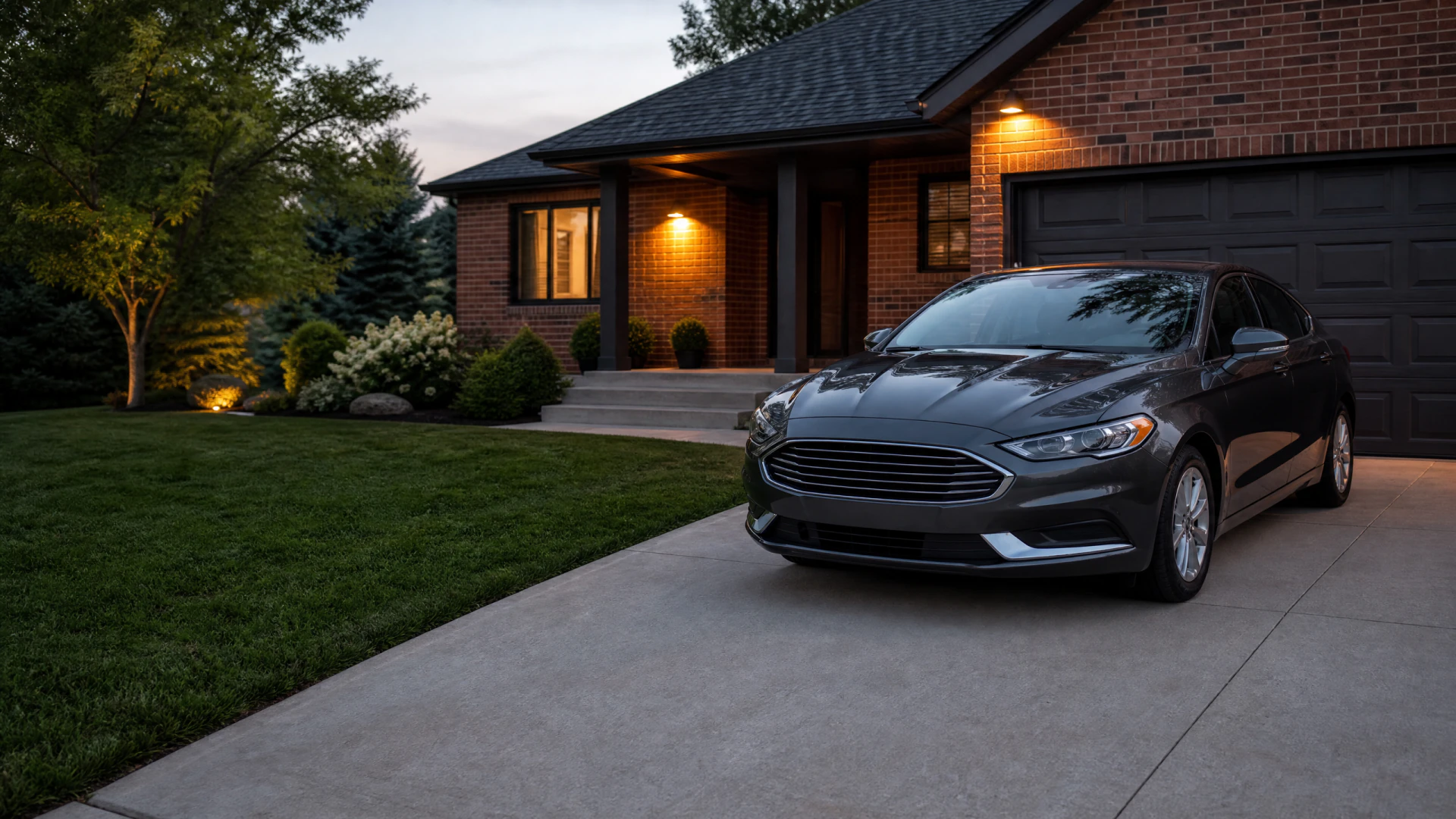
A couple moves into their first house, and the online form asks where the car will be parked most nights. The husband almost answers garage out of habit, since that's what the form defaulted to, but the garage is actually full of boxes and both cars have been parked in the driveway since they moved in. He stops and picks driveway instead, then checks what the detached garage would do to the price once they clear it out.
The difference turns out to be small for their insurer, just enough to make clearing the garage worth doing eventually but not urgent. What mattered more was that they'd answered honestly, so when a windstorm damaged one car's windshield a few months later, the claim went through without any question about where the car had been parked. They moved the second car into the garage once it was cleared, updated the policy, and the rate dropped slightly on the next renewal.
Does parking on the street raise your insurance even if you never get hit?
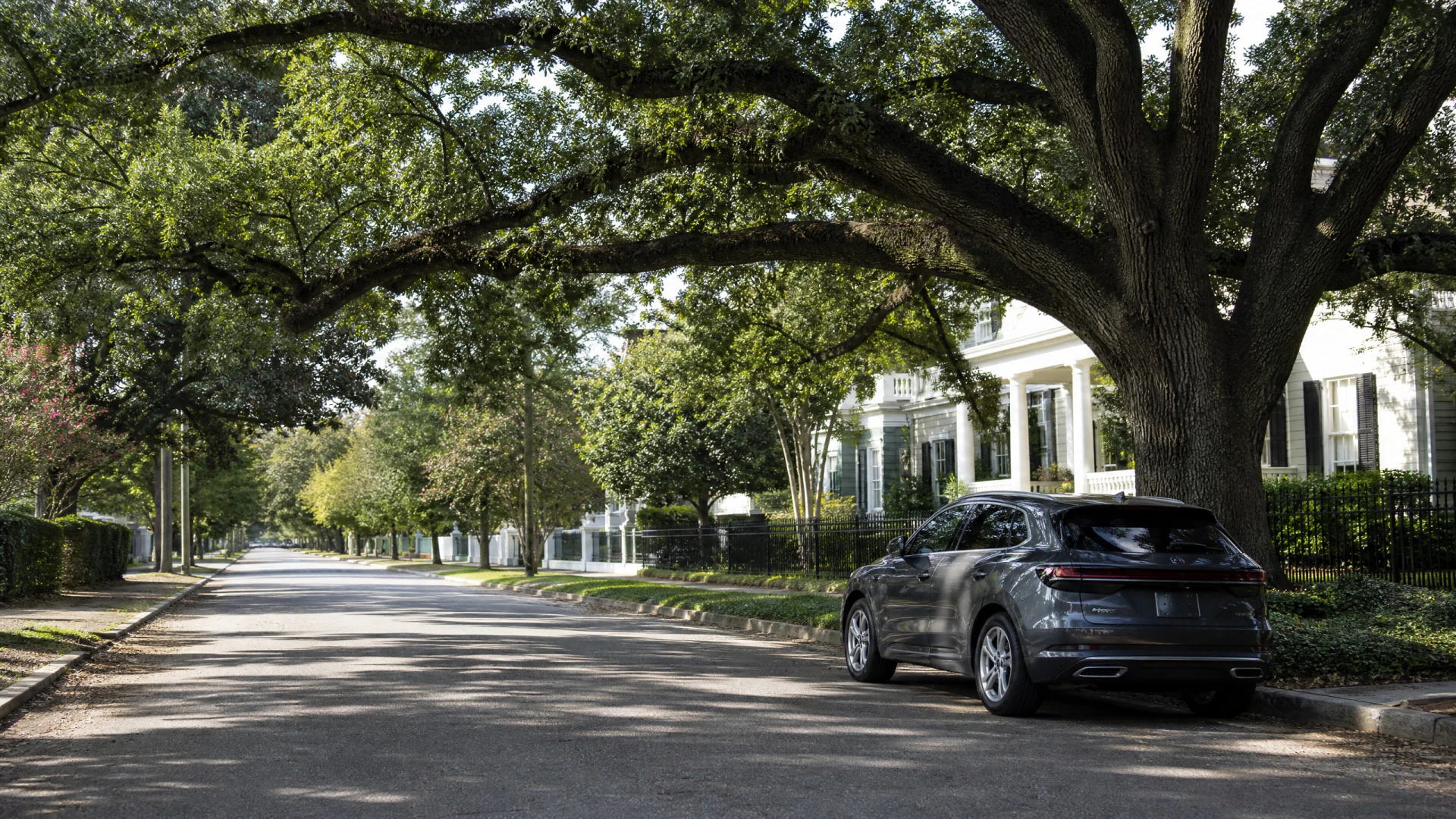
Yes, it can, because the rate accounts for the chance of theft, vandalism or weather damage, not just collisions. Even a driver who's never been hit pays a rate that reflects what happens to similar cars parked the same way. Check your quote's breakdown or ask the insurer directly whether parking location is a rated factor for your policy, since not all insurers weight it the same amount.
Do I have to prove where I park my car?
Usually not upfront, but it can matter if you file a claim tied to parking, like theft or storm damage. Insurers can ask questions or request details at that point to confirm your stated parking matches reality. There's rarely a routine inspection, but consistently answering honestly protects you if a claim ever depends on it. Check your policy documents for how parking location is defined and reported.
Does moving to an apartment with no garage increase my rate?
It often does, since street or lot parking generally carries more risk than a garage, but the size of the change depends on the neighborhood and the insurer. Some areas with low crime and few weather risks barely move the price even without a garage. Run a new quote with your updated address and parking situation to see the real number rather than assuming it will jump.