Where Is the Safest Place to Park Your Car
A locked garage beats a driveway, a driveway beats a street, and the safest spot is covered and used consistently.
What actually makes a parking spot safer
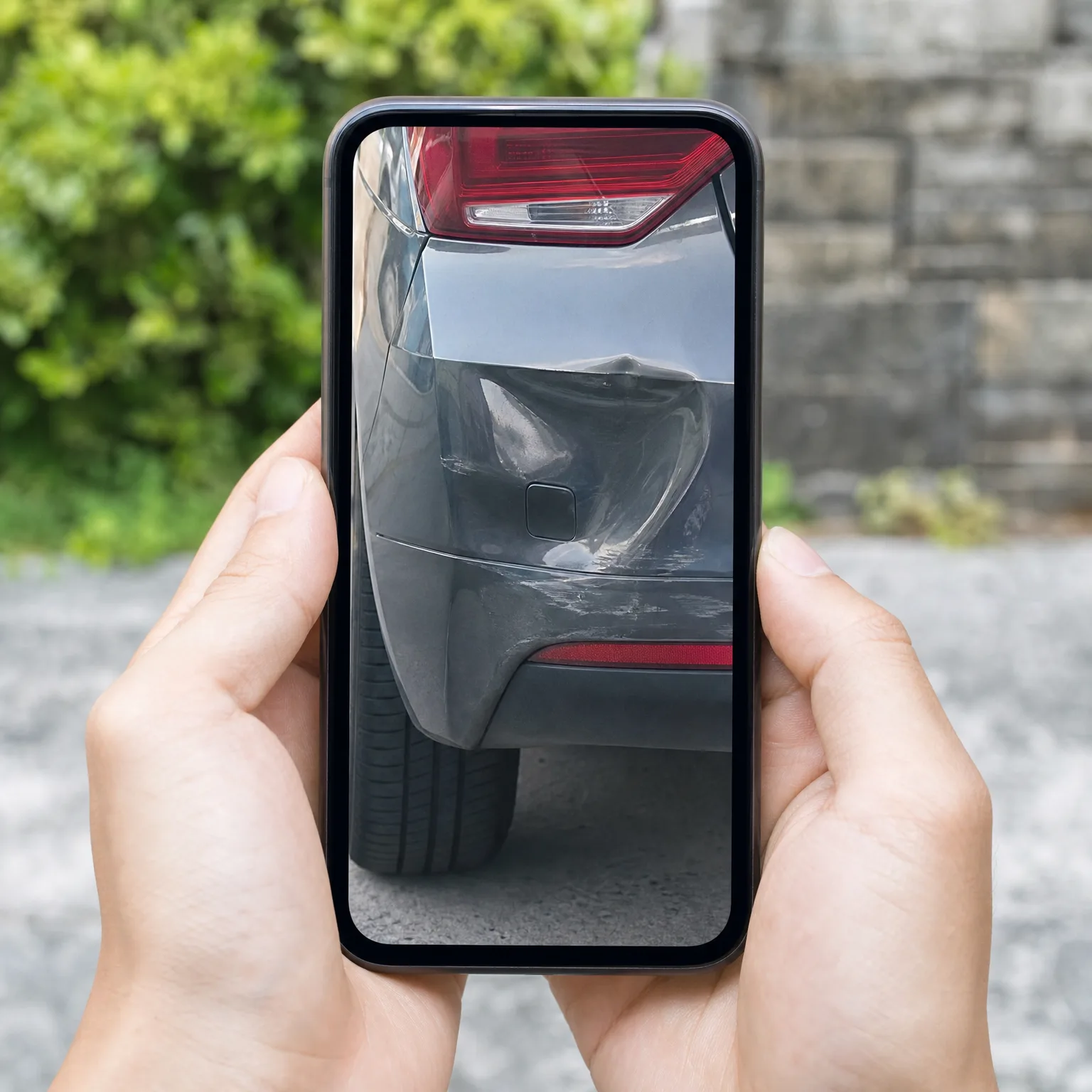
- Enclosed beats open A garage protects against weather, theft and hit-and-run damage that a driveway or street spot can't. If you have a garage, use it, even if it means shuffling other things out of the way.
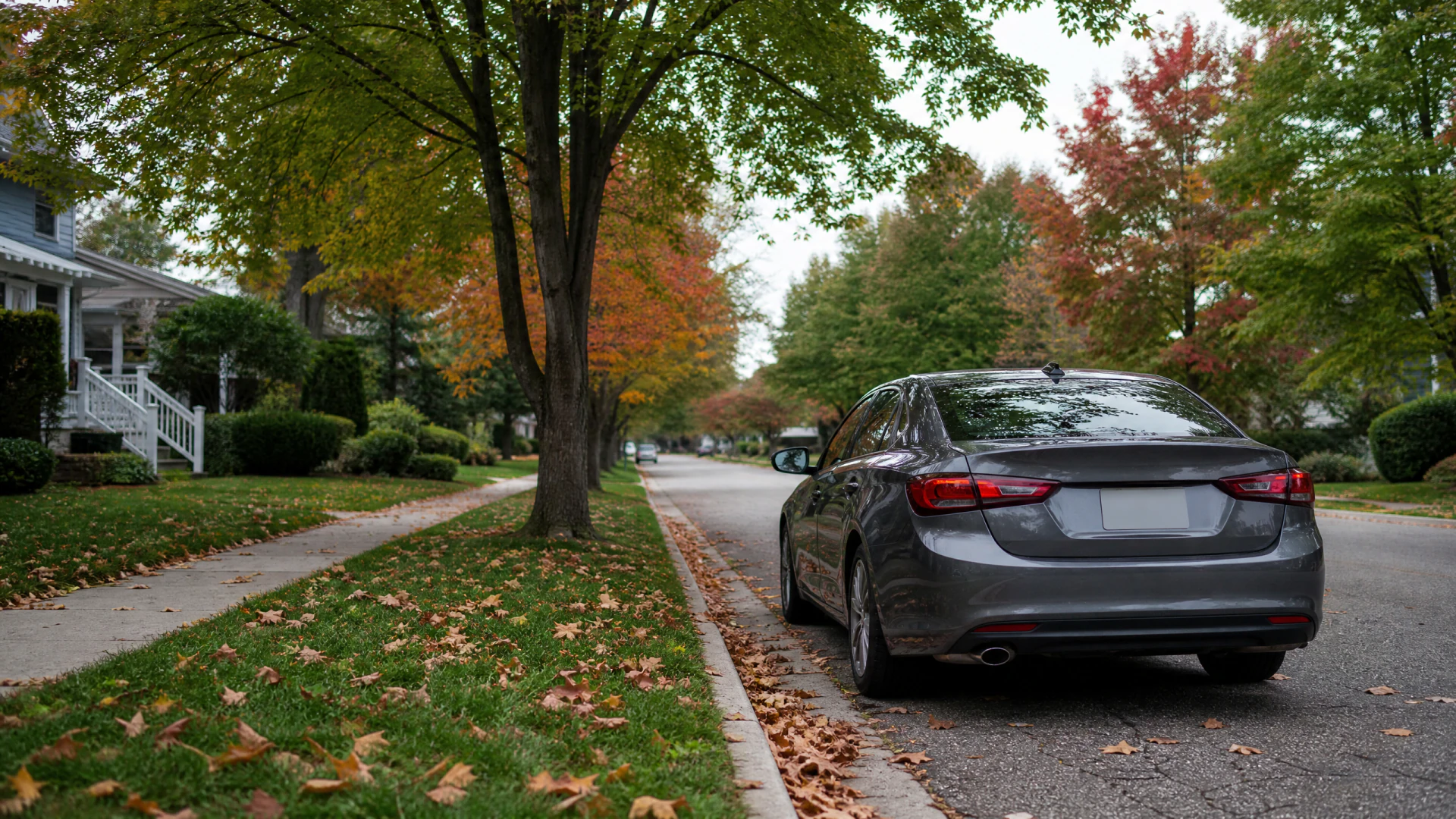
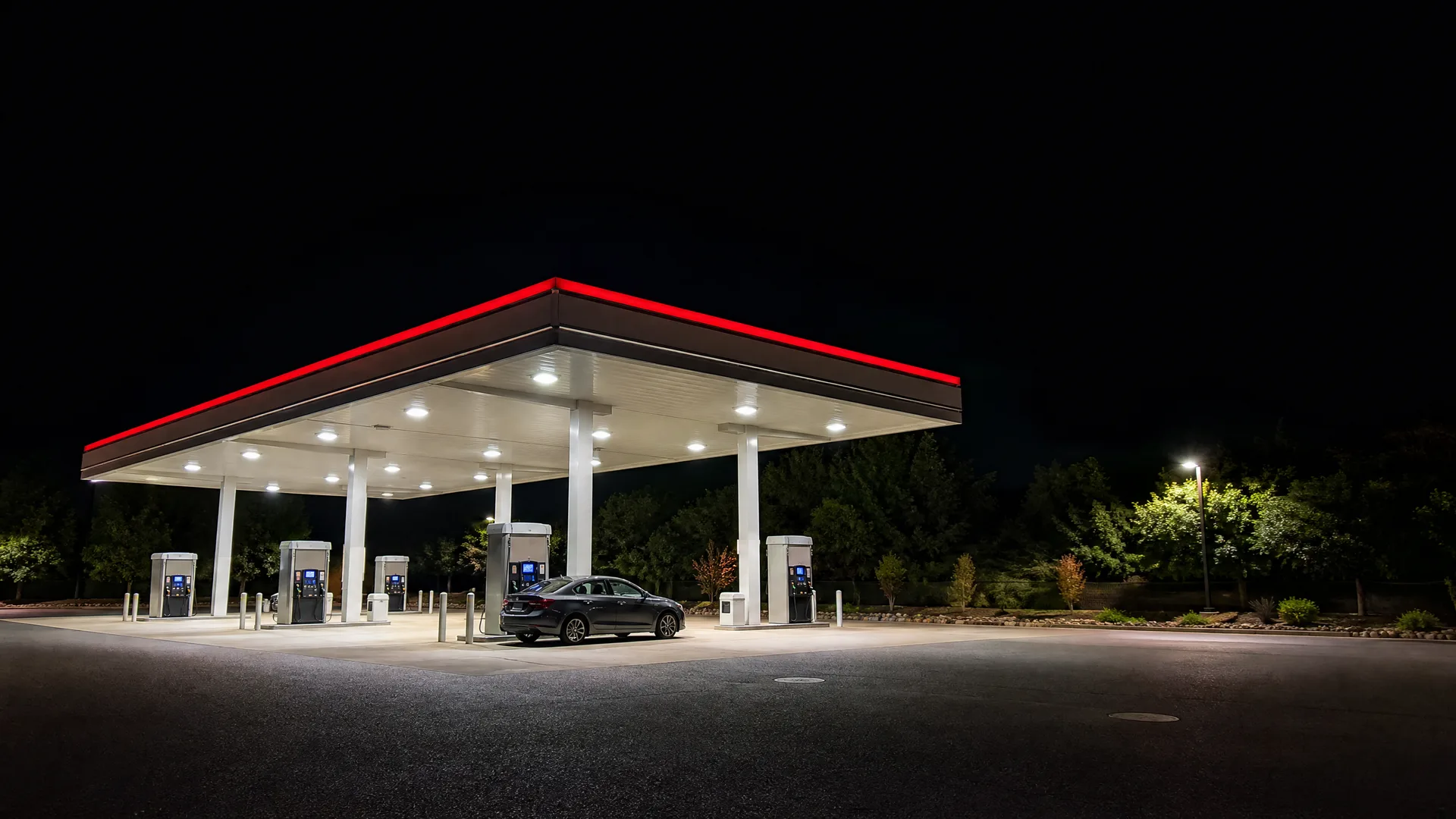
- Lit and watched areas help Well-lit spots near activity deter break-ins and vandalism better than dark or isolated ones. If you only have street parking, choose the spot under a streetlight over the quiet end of the block.
- Stay consistent Parking in the same reasonably safe spot every night is better than bouncing between a great spot and a risky one. Insurers and common sense both favor predictable, lower-risk habits over occasional best-case parking.
- Report where it sleeps Your rate is based partly on where the car is usually parked overnight, not where you drive during the day. If you moved and the car now sits in a garage instead of a street, update that with your insurer.
- Away from traffic and corners Spots near busy intersections or tight turns see more dings and minor collisions. A spot slightly out of the flow of traffic, even on the same street, lowers your odds of a small accident.
Will parking in a garage actually lower my insurance rate?
It can, but it depends on your insurer and sometimes your state, so you need to check rather than assume. Many insurers ask where the car is parked overnight as part of setting your rate, because that location affects the odds of theft, vandalism and weather damage.
If you moved from street parking to a garage, that is exactly the kind of change worth reporting. Some insurers will adjust your rate for it, others weigh it lightly alongside other factors like your zip code overall, and the effect can be small if your new neighborhood is already low-risk.
The only way to know for sure is to tell your insurer the new parking situation and ask directly whether it changes anything. There is no downside to asking, and leaving it unreported means you might be missing a legitimate adjustment you're already entitled to.
Updating your parking situation with your insurer
If you do
You report the garage or driveway, your insurer reflects the lower risk, and your rate may drop slightly. If it doesn't change, at least your file is accurate, which matters if you ever file a claim tied to where the car was parked.
If you don't
Your policy still reflects your old address or an outdated parking situation. You might be missing a rate adjustment you qualify for, and if a claim ever hinges on where the car normally sits, mismatched information can slow things down or raise questions.
Once you know where your car will actually sleep each night, compare quotes to see what that parking situation is worth.
Does my car insurance cover theft if I park on the street?
It can, but only if your policy includes comprehensive coverage, since theft falls under that part of a policy rather than basic liability coverage. If you dropped comprehensive to save money, street theft would come out of your pocket. Check your declarations page for whether comprehensive is listed, and if it isn't, decide whether your parking situation makes adding it worth the cost.
Should I get a dash cam or steering wheel lock to protect my parked car?
These can help, especially if your only option is street parking in an area with some risk. A dash cam won't prevent a break-in but gives you evidence afterward, and a visible deterrent like a steering wheel lock can push someone toward an easier target. Neither replaces comprehensive coverage, but they're reasonable low-cost additions if your car sits outside most nights.
Does parking at work or during the day affect my insurance rate?
Usually not directly, since insurers mainly ask about where your car is garaged overnight, not where it sits during work hours. Your commute and annual mileage matter more for daytime risk. That said, if you park in a high-theft area for long stretches during the day, it's worth mentioning to your insurer to see if it affects anything, since practices vary.
Your parking spot is a risk factor you can usually change tonight, not a fixed fact about your car.