Where Is the Cheapest Place to Park Your Car for Insurance
A garage, a driveway, or a quiet street almost always costs less to insure than a shared lot or a curb on a busy block.
What actually lowers the cost of where you park
- Garage beats driveway A locked garage cuts theft and weather risk the most, so insurers price it lowest. If you have one, make sure your policy actually lists it as your parking location.
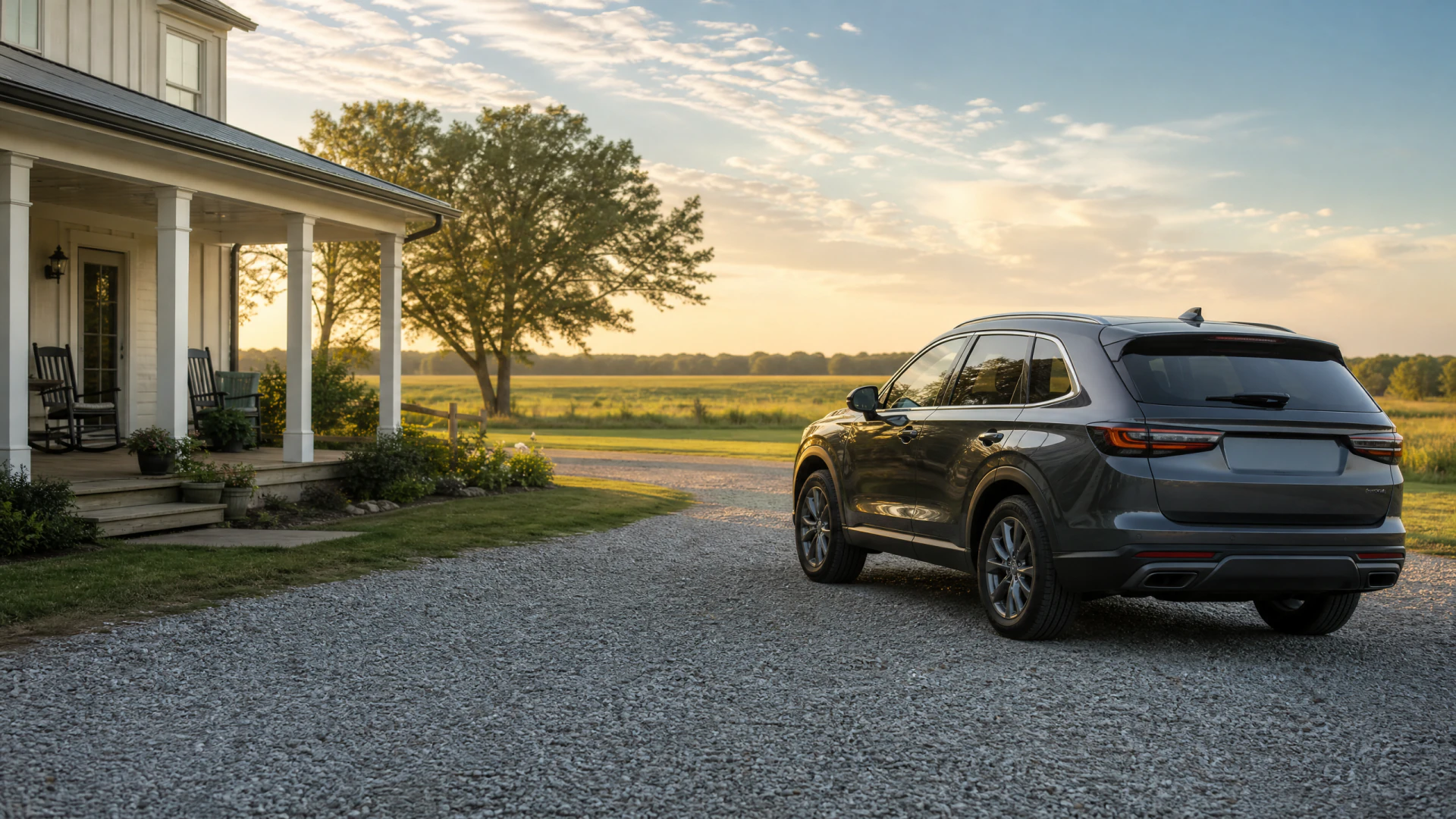
- Driveway beats street Off-street parking of any kind usually beats parking on a public street. If you moved to a home with a driveway, tell your insurer so the rate reflects it.
- Zip code risk varies Theft and accident rates differ by zip code, even within the same city. Check how your new address compares to your old one, since this can move your rate either direction.
- Shared lots add risk Apartment or office lots see more dings and break-ins than private driveways. If you park in one regularly, your insurer needs to know, since it affects the quote.
- Unlisted spots cause problems If your policy lists the wrong parking location, a claim can get delayed or questioned. Update it whenever where you park changes, not just where you live.
The short version
A garage is cheapest, a driveway is next, and a street or shared lot costs the most to insure. The reason is simple risk, theft and damage happen less when a car is off the street. Tell your insurer your actual parking spot now that you've moved, and ask how it changed your rate.
A couple who moved from an apartment lot to a house with a garage
Before buying their house, they parked in an uncovered lot behind their apartment building, the kind with no gate and no assigned spots. Their policy had that lot listed as the car's main location, which is standard for renters. After closing on the house, they kept driving for a few weeks without changing anything on the policy, assuming the move itself was the only update that mattered.
When they finally called their insurer to update their address, the agent asked where the car would actually be parked overnight. They realized they now had a garage and had been letting it sit empty while the car stayed in the driveway out of habit. Once they told the insurer the car would be garaged, the quote came back lower than what they'd been paying at the apartment, even with the new zip code factored in. The lesson for them wasn't just updating the address, it was that the parking spot itself had to be reported accurately for the rate to reflect their new reality.
Now that you know how parking affects your rate, compare quotes to see what your garage or driveway could save you.

Telling your insurer where you really park
If you do
You report your garage, driveway, or street spot accurately, and your quote reflects the real risk. If you have off-street parking, this usually lowers your rate. Claims also go smoother, since the insurer already has accurate details about your car's typical location and conditions.
If you don't
You keep whatever location was on file from before, even if it's wrong. You might overpay if you now have a garage, or worse, face a dispute at claim time if the insurer finds your car was parked somewhere other than what the policy states. It's a quiet risk that costs you either way.
Why parking location moves the price
Insurance pricing is about predicting risk, and where a car sits for most of its hours is a strong predictor. A car in a locked garage is shielded from weather, theft, and the kind of random damage that happens on a street, like a shopping cart ding or a sideswipe from a passing car. Insurers track claims data by location type, so garages consistently show fewer claims than driveways, and driveways show fewer than streets or shared lots.
Zip code matters on top of this, separately from the parking spot itself. Two homes with identical driveways in different zip codes can carry different rates, because local theft rates, accident frequency, and even weather patterns factor into the formula. This is why moving can change your rate even if your parking situation looks the same as before, the neighborhood itself carries its own risk profile.
What varies is how much weight any single insurer puts on parking type versus zip code versus other factors like how often you drive or what you drive. Some insurers weigh garage access heavily, others weigh it less and focus more on neighborhood crime statistics. This is worth checking directly with your insurer or when comparing quotes, since the exact formula isn't the same everywhere and isn't published.
There are cases where parking location matters less than usual. If you have a newer car with strong anti-theft features, or if you live somewhere theft and weather damage are both low to begin with, the gap between garage and street parking shrinks. In those cases other factors, like your driving record or how far you commute, end up mattering more than the parking spot.