Cheap Car Insurance After Buying a House
Your address, parking, and bundle options all shift your rate at once, so update them together before you compare anything.
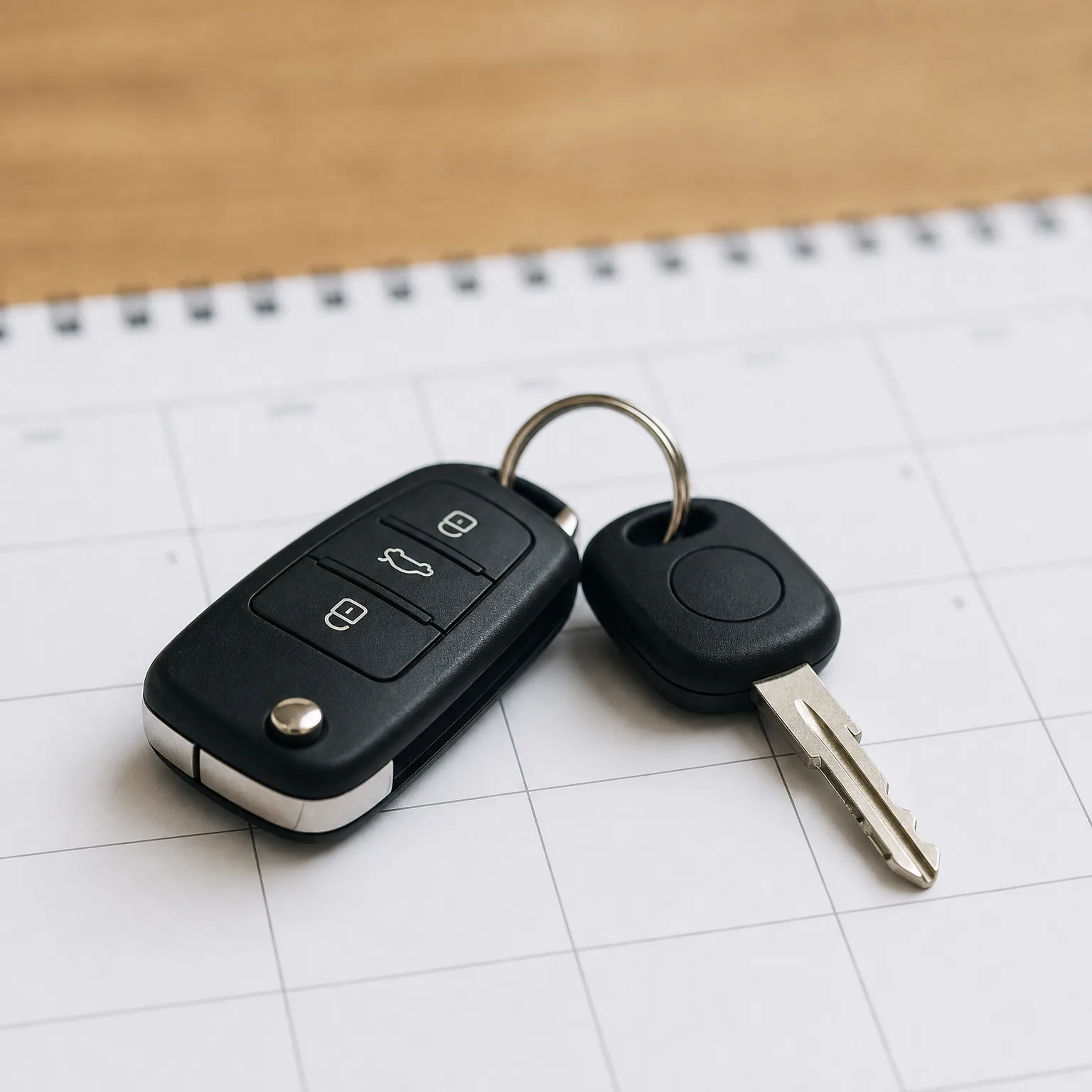
Five things that actually move your rate right now
- Your new zip code Insurers price risk by where the car is parked overnight, so a new address almost always changes your rate, up or down. Tell your insurer the new address as soon as you move, even before you decide anything else.
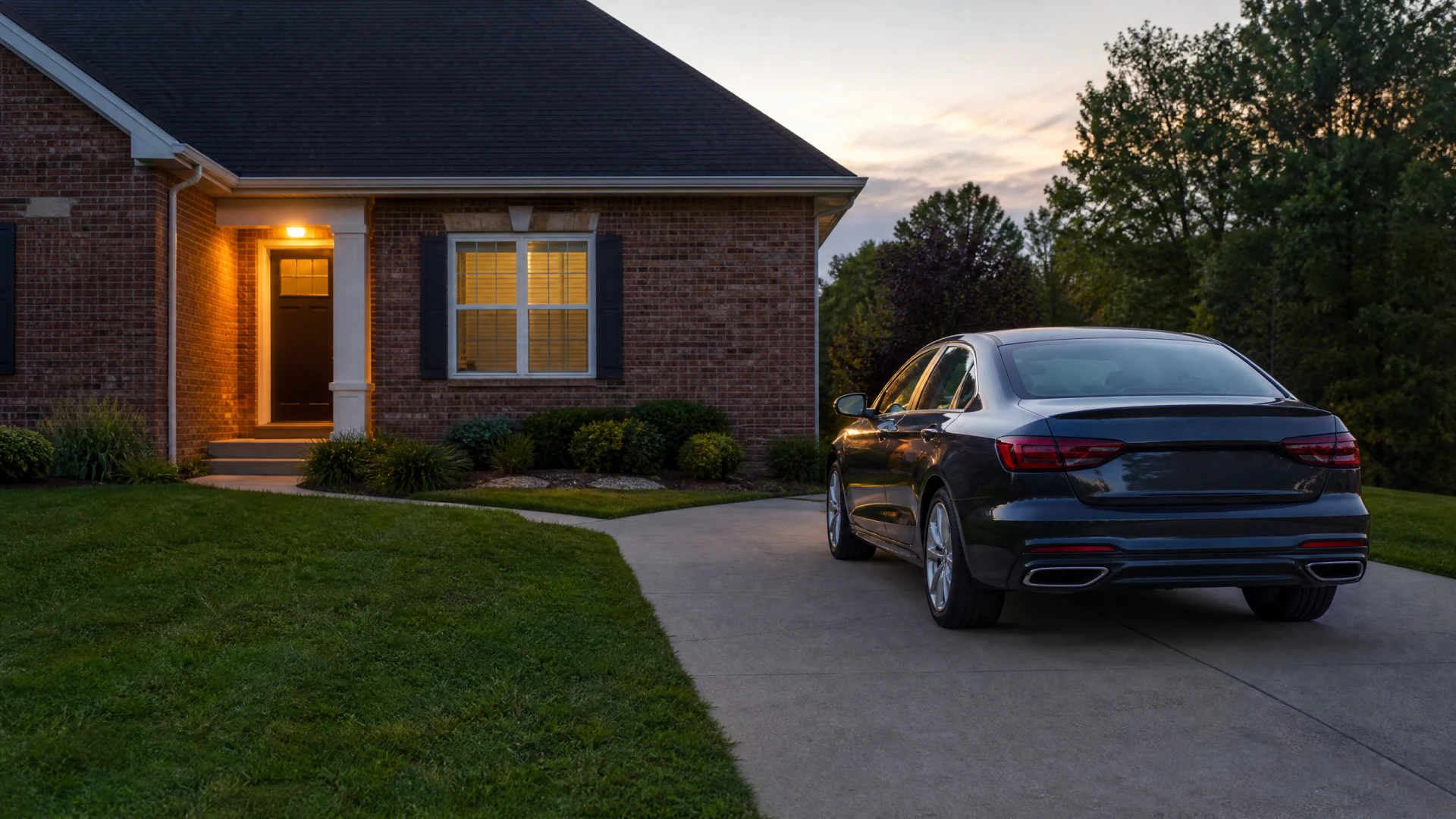
- Garage versus street parking A car parked in a garage is less exposed to weather and theft than one parked on the street. If you now have a garage or driveway you didn't have before, make sure your policy reflects that.
- Bundling with your home policy Carrying your car and home policy with the same insurer often lowers both, but not always, and the discount varies by insurer. Ask your home insurer for a bundled quote and compare it against separate policies before deciding.
- Your coverage limits A mortgage and a house mean more to protect if you cause an accident, so your old limits may be too thin now. Review your liability limits with your new financial picture in mind, not just your old habits.
- Who's driving and how far A new commute, a new second car, or a change in who drives regularly all affect your rate. Update your policy with the real details now, since guessing wrong can cost you at claim time.
Does bundling home and auto insurance always save money?
No. Bundling often saves money, but not always, and the gap between bundled and separate pricing varies by insurer and by state. The only way to know is to get a bundled quote and a separate quote and compare them side by side.
Bundling convenience is real too. One bill, one renewal date, sometimes one agent to call when something changes. For some people that's worth a small price difference. For others, saving more with two separate insurers is worth the extra login and renewal date to track.
Check both every time you renew, not just once. Your situation changes, insurers change their pricing, and what was true at your old address may not be true at your new one. A quick comparison at each renewal keeps you from quietly overpaying for bundling convenience you're not using.

Updating your policy before you shop around
If you do
Your insurer prices your policy on real information, your new address, your garage, your actual commute. Any bundling or discount you get is based on accurate details, so it holds up if you ever file a claim. You know your real rate before comparing anything.
If you don't
You're comparing quotes against a policy that's still priced for your old life. You might think you're saving money when you're really just comparing outdated numbers. Worse, a claim could be delayed or reduced if your insurer finds details you never updated.
Once your policy reflects your new address and limits, compare quotes to see what it should actually cost.
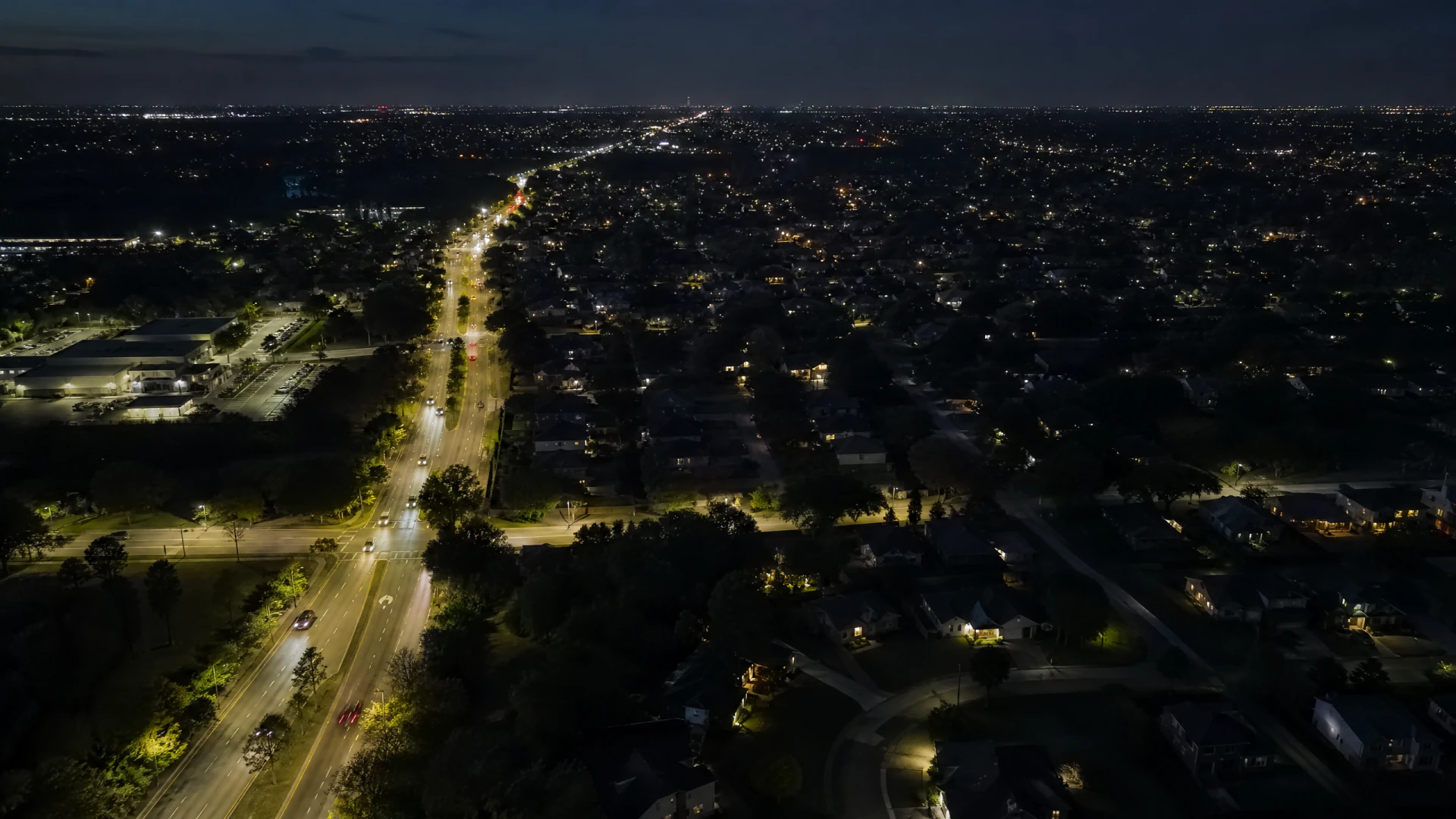
A couple who moved from an apartment to a house with a garage
A couple in their thirties bought their first home and moved from a rented apartment with street parking to a house with an attached garage, a few miles further from both their jobs. Their car insurance was still set up from years earlier, priced for the old address and old commute, and they hadn't touched the liability limits since one of them first got the policy as a new driver.
They updated the address and garage details with their insurer first, before getting any quotes, so the baseline was accurate. They asked their home insurer for a bundled auto quote and also got two separate quotes from other insurers. The bundled option turned out to be close to the cheapest separate quote, so they stayed bundled for the convenience of one renewal date. They also raised their liability limits, since protecting a house they now owned made the old limits feel too thin. The total cost went up slightly from the limit increase, but came down overall once the garage discount and accurate pricing were factored in.

The move itself doesn't raise or lower your rate. What you tell your insurer about it does.