Car Insurance for New Homeowners
Buying a home can change your car insurance rate and your options, so update your policy now instead of waiting for renewal.
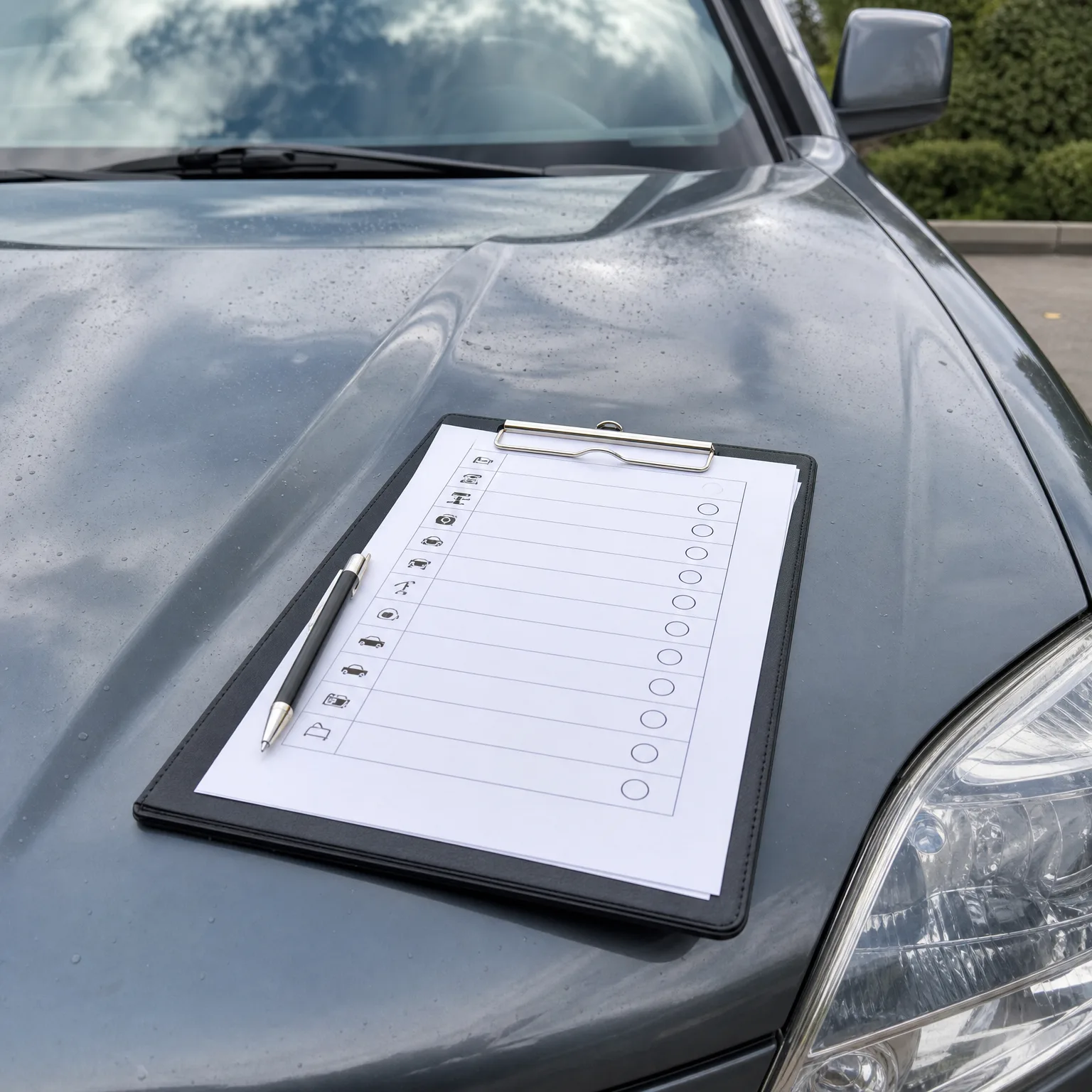
Five things to update now that you own a home
- Your address on file Your rate is tied to where the car is actually kept overnight, not your old address. Update it immediately, since driving on an old address can even affect a claim.
- Where the car is parked A garage or driveway can lower your rate compared to street parking. Tell your insurer exactly how the car is stored at the new place.
- Bundling with your home policy Combining car and home coverage can lower your total cost, but only if both policies are actually competitive. Ask for the bundled price and the separate prices, then compare both.
- Your liability limits Owning a home gives you something to protect in a lawsuit, which changes what limits make sense. Raise your liability coverage to match what you'd lose if you were sued.
- Shopping around now A move is one of the few moments insurers recalculate your risk from scratch, so rates can shift a lot. Get quotes now rather than waiting for your renewal date.
Does bundling home and auto insurance actually save money?
Sometimes, but not automatically. Bundling can lower your combined price because insurers often discount one or both policies to keep all your business. The size of that discount varies a lot by insurer, and it only matters if the underlying prices are competitive to begin with.
The mistake is assuming the bundled price beats separate policies without checking. An insurer with a mediocre home insurance rate can still offer a tempting bundle discount that ends up costing more than buying the two separately. Get a quote for the bundle and quotes for each policy alone, then compare the actual totals.
If your home insurer's auto rates aren't competitive, you can keep the policies separate and still look for other bundling discounts elsewhere, like combining auto with renters or an umbrella policy later. The bundle is a tool to check, not a default to accept.
Your new address and new assets changed your risk and your exposure, so your old policy is a guess, not a fit.
Compare quotes now that you know your address, parking, and limits all need a fresh look.

Updating your policy after the move
If you do
You tell your insurer the new address and parking situation, raise liability to match your new assets, and compare bundled versus separate pricing. Your rate reflects reality, your coverage matches what you now have to lose, and you catch savings or gaps before a claim forces the issue.
If you don't
Your policy still reflects your old risk profile, possibly with an outdated address that complicates a future claim. You may be paying for the wrong parking situation, carrying limits too low to protect a home you now own, and missing a bundling discount you never asked about.
Do I need to tell my car insurance company I moved?
Yes, and promptly. Your insurer needs your current address to price your policy correctly, since where you park overnight is a core rating factor. Delaying this can also create problems with a claim if your policy still lists your old address. Check your policy documents for how quickly you're expected to report an address change, since that timeline varies by insurer.
Should I increase my car insurance liability limits after buying a home?
Usually yes, because owning a home gives you an asset a lawsuit could go after. Higher liability limits protect your home equity if you cause an accident that costs more than your old coverage. How much to raise them depends on your total assets and what your state allows, so check your state's minimum and maximum limit options and consider your full financial picture, not just the car's value.
Is it worth switching car insurance companies after moving?
It's worth checking, because a move often changes your rate enough to make shopping around pay off. Your new address, parking situation, and possibly new liability needs all affect pricing differently across insurers. Get quotes from a few companies and compare them against your current renewal price. If your current insurer can't match a better offer, switching is usually straightforward.