Car Insurance Changes When You Buy a Home
Buying a home changes your car insurance mainly through your new address, and sometimes through bundling and credit as well.
Your address does more work than you'd expect
Car insurance prices risk, and where you park your car overnight is one of the biggest pieces of that risk. A new zip code brings a different rate of accidents, theft, and claims in your area, so moving almost always changes your premium, even if nothing about how you drive has changed at all. This is true everywhere, though the size of the change depends on your specific new location compared to your old one.
Bundling home and auto with the same insurer often brings a discount, but not always, and the size of it varies by insurer and by state. Some insurers price bundles aggressively to win both policies, others barely discount it at all. The only way to know is to get your home and auto quoted both together and separately, because the bundle isn't automatically the cheaper path.
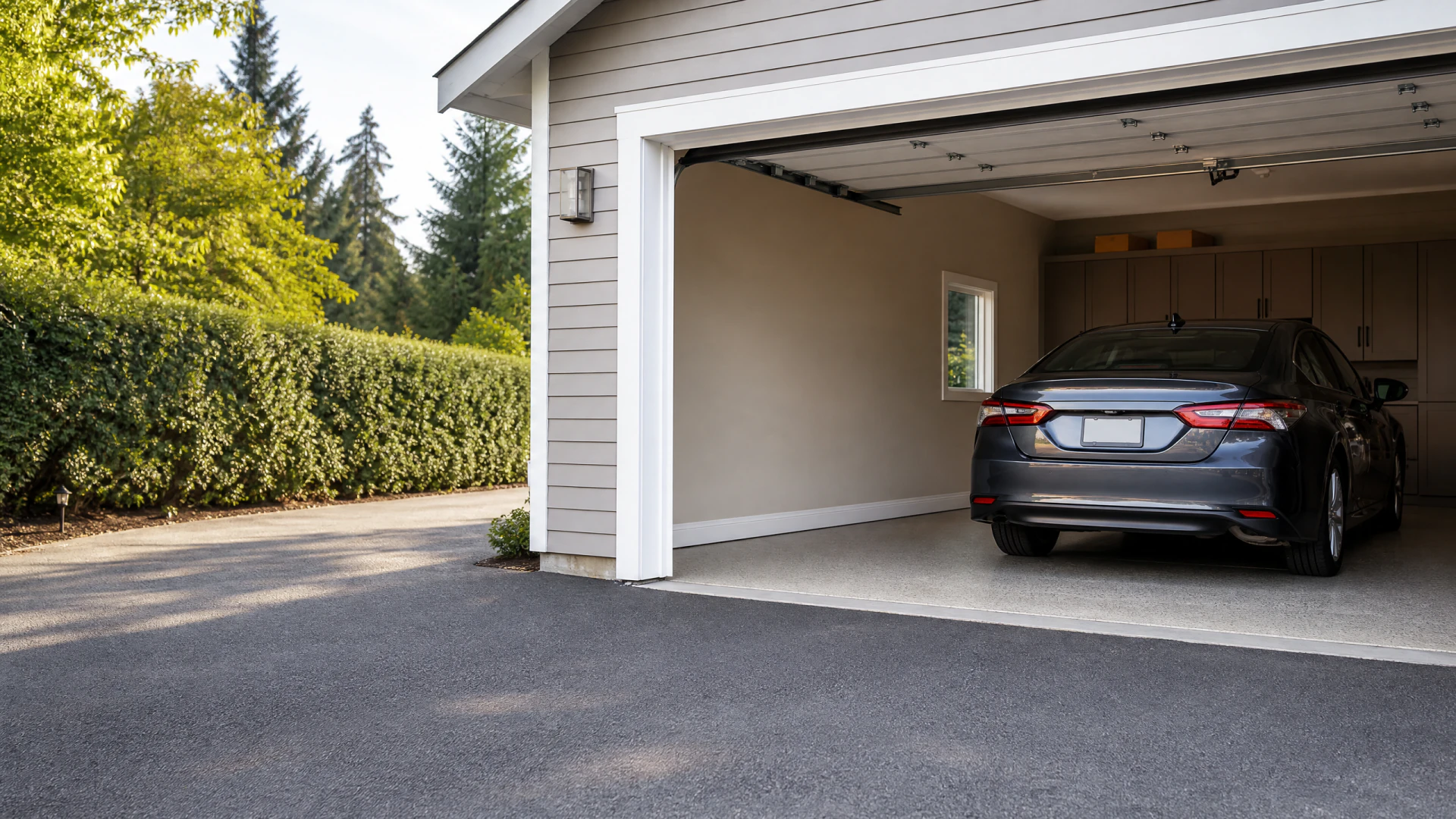
Where you keep the car matters too. A garage or a driveway instead of street parking can lower comprehensive risk, and insurers often ask about parking location specifically for this reason. If your new home gives your car better overnight protection than your old place did, say so when you update your policy, because it won't be applied automatically.
Finally, some insurers factor credit-based scores into pricing, and major financial events like taking on a mortgage can shift those scores either way. This practice is restricted or banned in some states, so whether it applies to you depends entirely on where you live. Check your state's rules or ask your insurer directly rather than assuming either way.
Should you switch insurers now or wait until renewal?
You can switch anytime, there's no rule requiring you to wait. Canceling a policy mid-term is allowed almost everywhere, and a good new policy will typically start the same day the old one ends, so there's no gap in coverage to worry about.
The real question is whether waiting costs you anything. If your current insurer prices in your new address automatically, you might already be seeing the new rate, and switching early just lets you compare it against competitors sooner. If you're not in a rush, aligning the switch with your renewal date keeps paperwork simpler, but it isn't necessary. The move itself is the trigger to shop, not the calendar.
The address change, not the home purchase itself, is what actually moves your car insurance price.
Now that you know what actually changes, compare quotes using your new address to see where you really stand.
A couple moves across town and finds two different answers
A couple buys their first home about twenty minutes from their old rental, same city, different zip code. They still have the car insurance policy one of them set up years earlier, before they ever met. After closing, they update the address on the policy and the price moves, not dramatically, but enough to notice, because the new area has a different claims history than the old one.
They also ask their insurer for a bundled quote with the new homeowners policy, and separately get a quote from another company for just the car insurance. The bundle turns out close to what they'd pay going separate, so the discount isn't the deciding factor they expected it to be. What does make a difference is that their new place has a garage, which they mention explicitly, and that alone brings the comprehensive portion of their rate down. They end up staying with their original insurer, not because of the bundle, but because once the garage and address were both factored in, the price was fair and switching wasn't worth the hassle.
Do I need to tell my car insurance company I moved?
Yes, you're required to update your address with your insurer, and it's not optional paperwork. Your policy is priced and legally issued based on where the car is kept, so an outdated address can cause problems with a claim later. Most insurers let you update this online or by phone in minutes. Do it as soon as you have the new address, not after you've settled in, since coverage questions can come up even during the move itself.
Will my car insurance go up or down after buying a house?
It depends on your new location compared to your old one, there's no universal direction. Areas with less traffic, lower theft rates, or fewer claims tend to lower your price, while busier or higher-risk areas raise it. Garage or driveway parking versus street parking also matters. The only way to know for certain is to get a quote with your new address, since guessing based on home price or neighborhood reputation alone isn't reliable.
Does a mortgage affect my credit score and my car insurance rate?
A mortgage can affect your credit score temporarily, through the hard inquiry and the new debt, and in states that allow credit-based insurance scoring, that could shift your rate. This practice is banned or limited in some states, so check your state's rules first. If it does apply to you, the effect is usually temporary and improves as you make payments on time. It's one factor among several, not the main driver of a post-move rate change.