Car Insurance Questions After Moving into a House
Your car insurance needs updating because your address, parking, and risk profile all just changed, even though your car didn't.
What actually changes when you move into a house
- Update your address first Your zip code affects your rate because it reflects local accident and theft patterns. Do this immediately, since driving on an old address can even affect a claim.
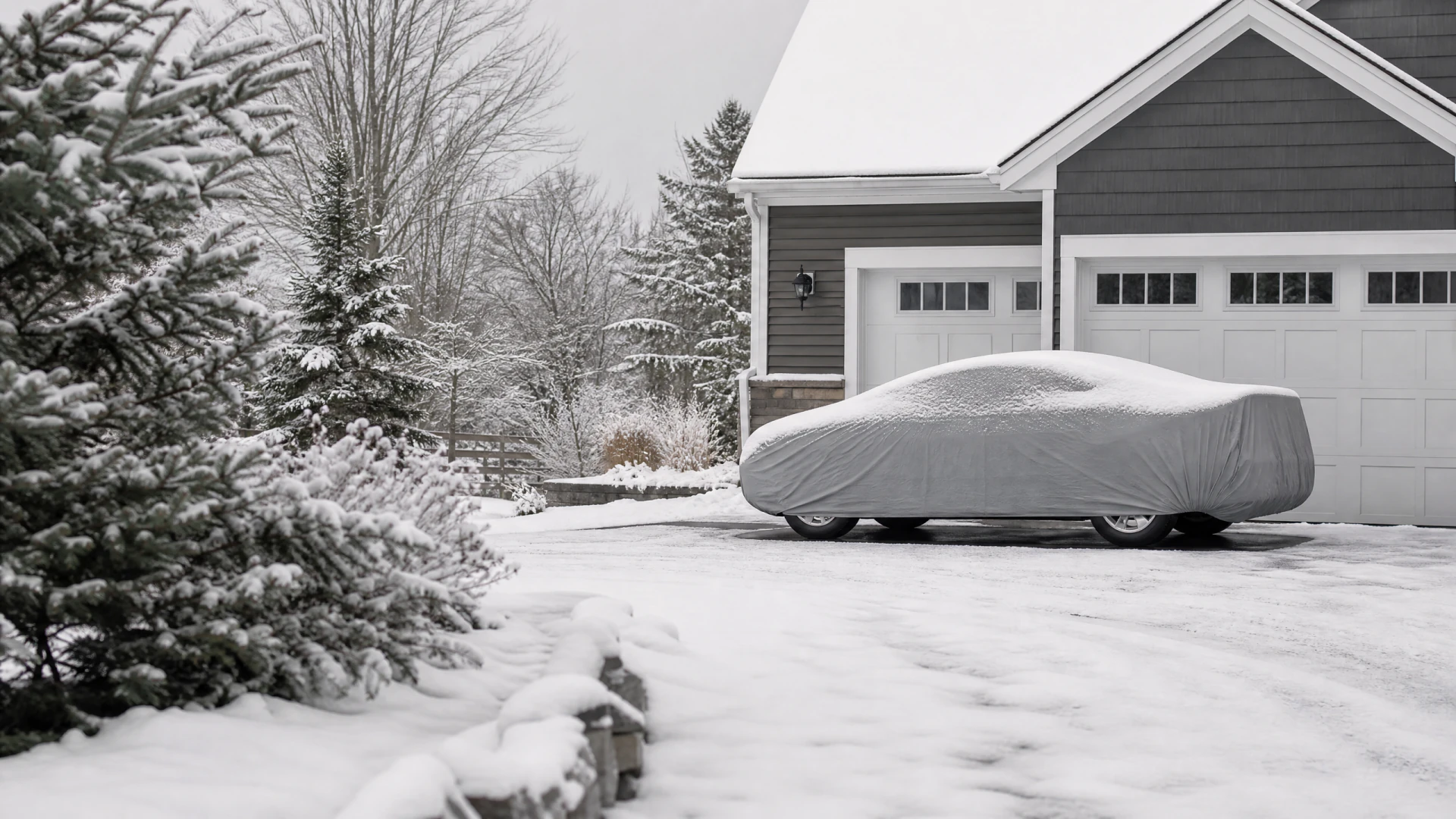
- Tell them about the garage A car parked in a garage overnight is less likely to be stolen or damaged by weather. Report this change since it can lower your premium.
- Check your commute distance If your new home changed how far you drive to work, your insurer needs to know. Longer or shorter commutes both shift your risk and your rate.
- Ask about bundling with home Combining your home and auto policies with one insurer often brings a discount on both. Ask your current insurer and at least one competitor what bundled pricing looks like.
- Reconsider your coverage limits If you now have more assets to protect, like home equity, your liability limits may be too low. Raising them is usually cheap relative to what they protect.
Will my car insurance rate go up or down after moving?
It depends entirely on where you moved from and to, so there's no default answer. If your new area has less traffic, lower theft rates, or you now park in a garage instead of on the street, your rate often drops. If it's a denser area, has more severe weather, or sees more claims generally, it can rise even though nothing about your driving changed.
The only way to know is to get your policy updated and repriced with the new address and parking situation. Don't assume the move was neutral just because you still drive the same car the same way. Insurers price location heavily, sometimes more than they price your driving history, because location predicts claims in ways individual habits don't fully override.
Now that you know what to update, compare quotes using your new address and garage to see where you stand.
Updating your policy now versus waiting until renewal
If you do
You get accurate pricing right away, and any discount for garage parking or a safer area starts immediately. If you file a claim, your coverage is based on current facts, so there's no gap or dispute about where the car is actually kept.
If you don't
Your rate stays based on outdated information, so you might overpay or underpay without knowing. Worse, if you file a claim and the address on file is wrong, the insurer can question the claim or adjust the payout, since misreported risk is called a misrepresentation.
A couple who moved from an apartment to a house across town
A couple had been renting an apartment with assigned street parking and a short commute. They bought a house fifteen minutes further out, with an attached garage, and their homeowners policy was already set up through the mortgage lender. They hadn't touched the car insurance, since nothing about the cars had changed, just where they lived.
They called their insurer to update the address and mentioned the garage parking. The quote dropped slightly because of the garage, even though the commute was longer. Then they asked about bundling with their new home policy, and got a combined quote that beat what they'd pay keeping the policies separate. They also raised their liability limits slightly since they now had a mortgage and more to protect. The whole process took one phone call and a bit of research comparing that bundled quote against a couple of other insurers to make sure it was actually competitive.
Do I need to change my car insurance if I move within the same city?
Yes, if your zip code changed, even within the same city. Insurers price by granular location, not just city or county, so a move across town can still shift your rate up or down. Always update your address with your insurer regardless of distance moved, since driving on a mismatched address can affect claims. Check whether your new zip code is considered higher or lower risk than your old one, since that's what actually drives the price change, not the distance of the move itself.
Does owning a home affect my car insurance rate directly?
Not directly, but it often affects it indirectly through bundling and parking changes. Owning a home itself isn't a rating factor for car insurance, but homeowners frequently get access to multi-policy discounts, and many have garages or driveways instead of street parking, both of which can lower rates. Check whether your new living situation includes covered parking and ask your insurer about multi-policy pricing, since those two factors matter more than homeownership status alone.
Should I switch car insurers when I bundle with my new home policy?
Only if the bundled price actually beats what you'd pay with separate, competitive policies. Bundling discounts are real, but they're sometimes smaller than the savings from shopping each policy separately with different insurers. Get a bundled quote from your current auto insurer and also get a few standalone quotes for both home and auto elsewhere, then compare totals. What changes the answer is how much the bundle discount actually is versus how competitive each individual policy is on its own.