How Buying a House Changes Your Car Insurance Cost
Your car insurance cost shifts because your address, your risk profile, and your bundling options all just changed at once.
These are the things that actually move your rate
- Your new zip code Insurers price by location, so a new area can raise or lower your rate independent of anything else. Check your new zip code's rate before you assume your premium will stay the same.
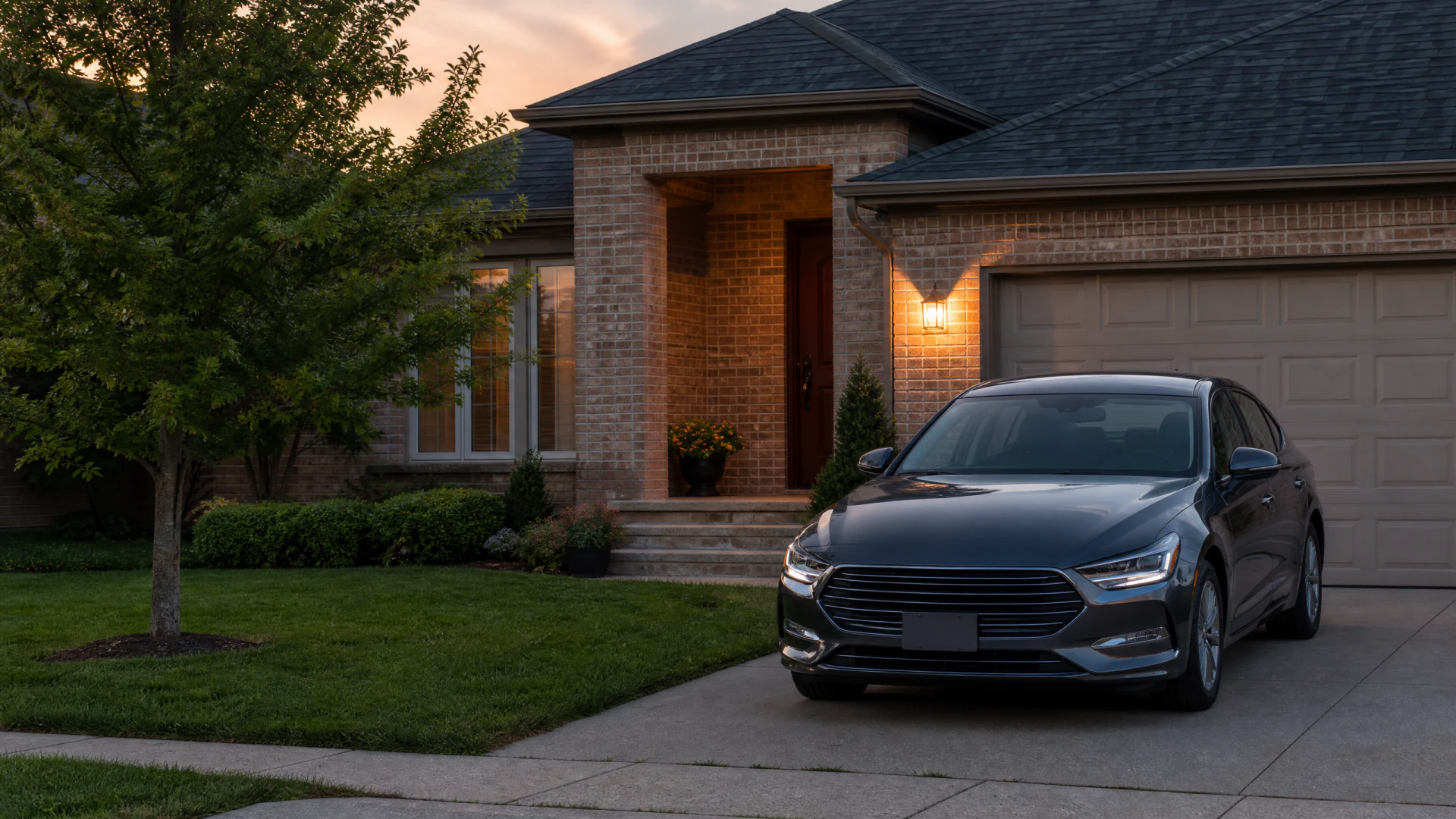
- Where the car sleeps at night A car parked in a garage or driveway is treated as lower risk than one parked on the street. Tell your insurer about the change, since it can only help your rate, never hurt it.
- Bundling home and auto Combining your home and car policies with one insurer often brings the total cost down. Ask for a bundled quote alongside separate quotes so you can actually compare the two.
- Your coverage limits Owning a home gives you more to protect if you're ever sued after an accident, so your old liability limits may now be too thin. Review your limits against what you'd stand to lose.
- A pause on old discounts Moving can quietly drop discounts tied to your old address, like one for a security system or a specific neighborhood. Ask your insurer directly which discounts carried over and which didn't.
A couple who moved across town and almost overpaid
A couple bought their first home about twenty minutes from their old rental, close enough that they didn't think much about it. Their mortgage lender required homeowners insurance, so they bought that quickly and moved on, figuring their car insurance would just carry over unchanged since they kept the same insurer and the same two cars.
A few weeks after moving in, one of them called their insurer to update the mailing address and almost didn't mention anything else. The agent asked where the cars were parked overnight, and it turned out their new place had a garage, unlike their old street parking. That alone lowered their rate. The agent also ran a bundled quote with their new homeowners policy, which came in lower than keeping the two policies separate. They ended up adjusting their liability limits too, since they now had home equity worth protecting, and the total cost landed lower than what they'd been paying before the move.

Now that you know what actually changes, compare quotes to see what your new address and bundle actually cost.

Whether you update your insurer right after you move
If you do
You give your insurer accurate information, so your rate reflects your real risk, garage parking, new location, and any new discounts. You might pay less. You're also protected if you ever file a claim, since your policy matches where the car actually lives now.
If you don't
Your policy still technically covers you, but it's priced on outdated information. You could be overpaying without knowing it, or in rare cases, an insurer could question a claim if your actual address never matched what's on file.
Does my car insurance address have to match my home address?
Yes, your car insurance should list the address where the car is actually kept, which is normally your home address. Insurers use this to assess risk and set your rate, so an outdated address means inaccurate pricing. If you garage a car somewhere else, like a second home, tell your insurer that specifically, since some states have rules about which address applies.
Will my car insurance go up if I get a mortgage?
A mortgage itself doesn't affect car insurance, but the move that comes with it often does. Your rate responds to your new zip code, where you park, and any bundling you set up, not to the mortgage or your credit activity around it directly. Check your new location's rate and your bundling options rather than worrying about the mortgage itself.
Should I raise my liability limits after buying a house?
Most new homeowners should look at raising their limits, since you now have home equity that could be at risk in a lawsuit after a serious accident. The right limit depends on how much equity you have and what your state requires at minimum. Check your state's minimum, then weigh it against what you'd actually lose if you were sued for more than your policy covers.

The move didn't change your risk, but your address, parking, and equity did, so update all three.