How to Save on Car Insurance as a New Homeowner
You save by updating your address and discounts right away, then bundling and comparing rates before you renew anything.
A couple who moved across town and fixed their policy in one evening
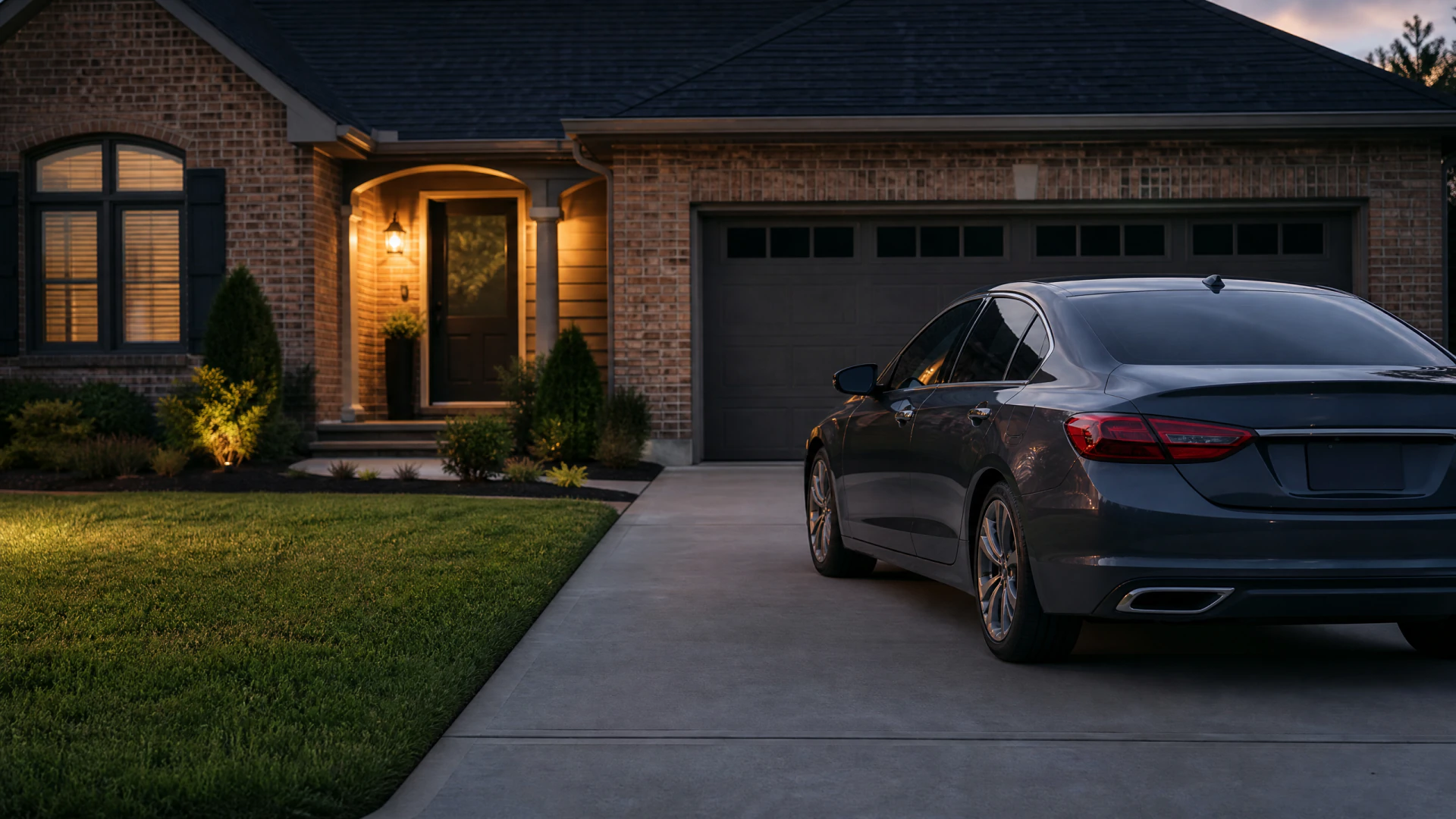
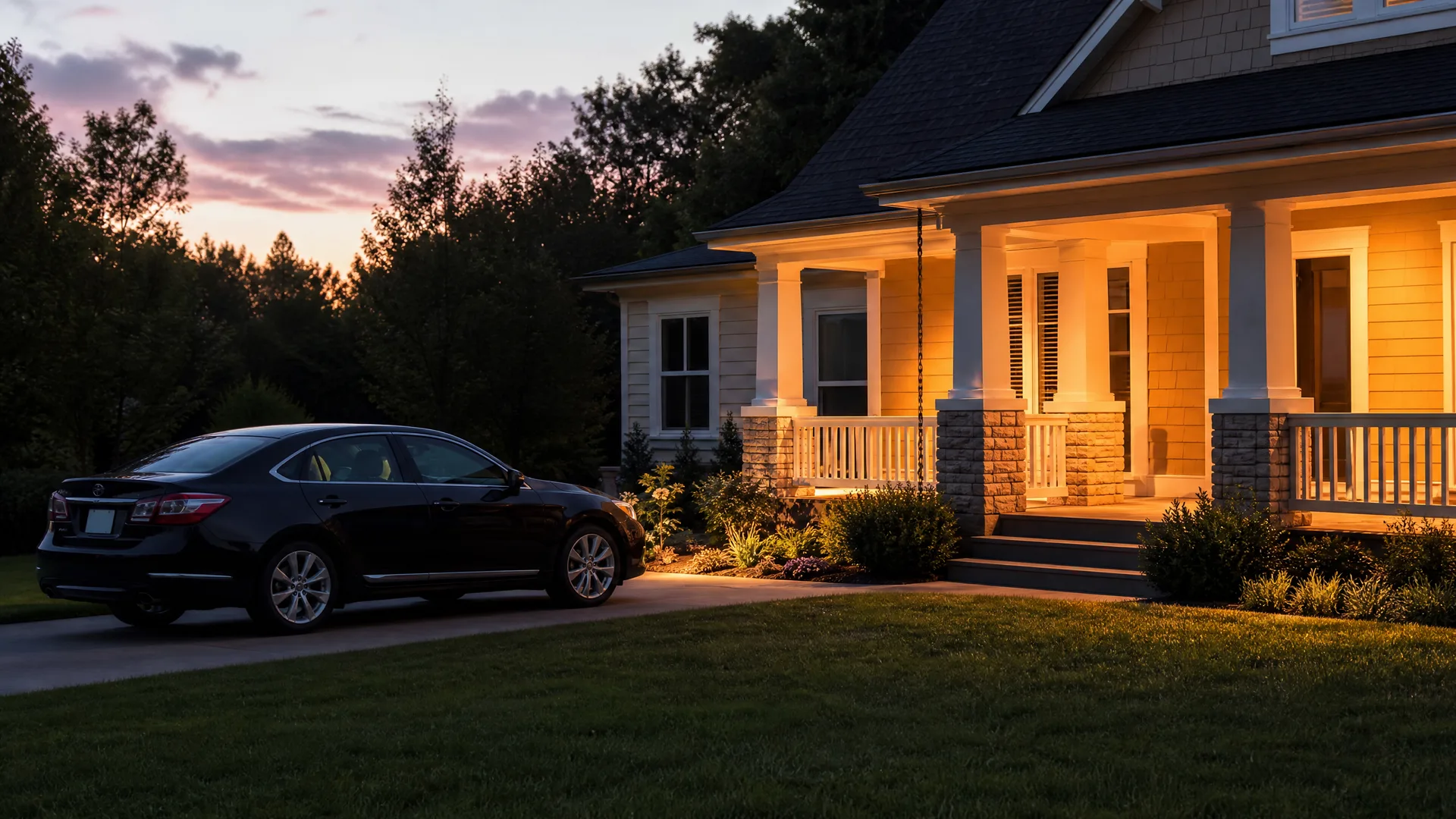
A couple bought their first house about twenty minutes from their old rental. Same city, new zip code, and now a garage instead of street parking. They called their insurer to update the address first, since that's the one change that's required no matter what else they decide. The agent asked whether the car would be garaged overnight, and they said yes, which qualified them for a lower rate on its own.
From there they asked for a quote that combined the new homeowners policy with their existing car policy, just to see the number. It came in lower than their car policy alone had been costing them before the move. They still spent an evening getting quotes from two other companies, because bundling isn't automatically the cheapest option everywhere, and prices on the home side can vary a lot by insurer. The outside quotes were close enough that they stayed put, but now they knew instead of guessing. The whole thing took about an hour of calls once they had their policy numbers in front of them.
Does bundling home and auto insurance actually save money?
Usually, but not always, and you won't know until you ask for the combined quote and compare it to separate policies. Bundling discounts are real and common, but the size of the discount and whether it beats shopping separately depends on the insurer, your state, and the specific risk profile of your home and car.
The only reliable way to check is to get a quote for both policies together from your current insurer, then get a quote for just the car policy from one or two other companies. If the bundled price is lower than the best standalone price, bundle. If it isn't, there's no rule that says you have to keep them together, and plenty of people carry home and auto with different companies without any penalty.
The move itself changes your rate, so treat it as a reason to recheck everything, not just your address.
Now that you know what to update and what to ask about, compare quotes to see what your new situation actually costs.
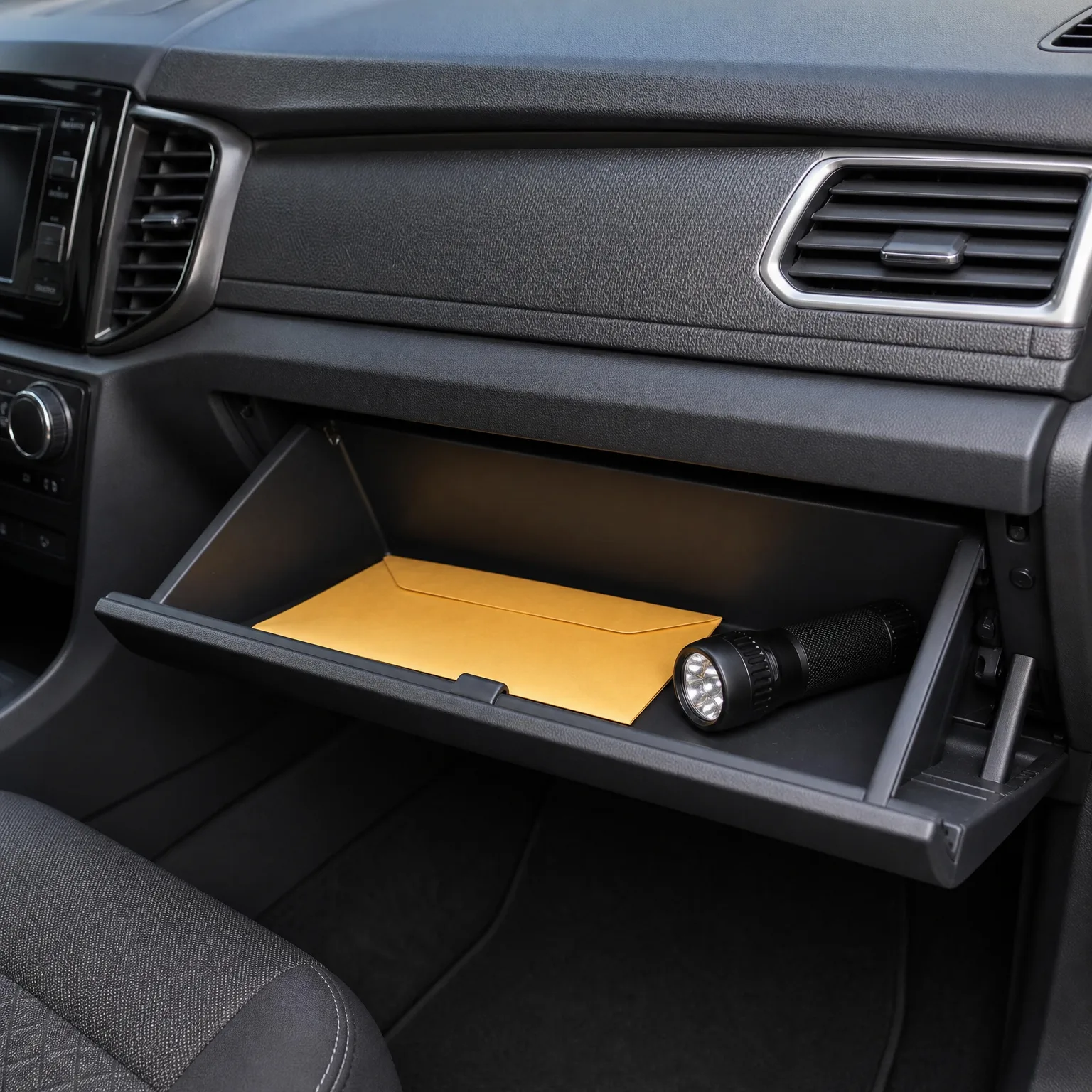
What actually changes your rate after a move
- Update your address Your zip code affects your rate because insurers price by local accident and theft data. Report the new address as soon as you move, since driving on an old address can affect a claim.
- Mention the garage A car parked in a garage overnight is less exposed to weather and theft than one parked on the street. Tell your insurer the parking situation changed, since this discount isn't applied automatically.
- Ask for a bundled quote Combining home and auto with one insurer often lowers the total, but not always by enough to matter. Get the combined number in writing before assuming it beats separate policies.
- Recheck your coverage limits Owning a home usually means more to protect if you're ever sued after an accident, which is a separate question from your deductible. Ask whether your liability limits still make sense given what you now own.
- Shop around before renewing A move is a natural point to compare other insurers, since your risk profile just changed anyway. Get two or three outside quotes even if you plan to stay with your current company.
Will my car insurance go up just because I bought a house?
Not directly, but the move that comes with it often does change your rate, up or down. Your zip code, commute distance, and parking situation all factor into pricing, and a new address resets all three. Check your new quote line by line against the old one so you can see which specific factor moved, rather than assuming the house itself caused any change.
Should I raise my liability limits now that I own a home?
Many people do, because owning assets gives you more to lose in a lawsuit after a serious accident. Whether it makes sense for you depends on how much equity you have and what your state requires as a minimum. Ask an agent to show you the cost difference between your current limit and a higher one, since the gap is often smaller than people expect.
Does my credit score affect my car insurance rate after a big purchase like a house?
In many states, yes, insurers use credit-based scoring as one factor among several, though a few states don't allow it at all. A mortgage itself doesn't hurt your score if you pay on time, but check your credit report after closing to make sure nothing unexpected shows up before your next renewal.