Why Is My Deductible So High
Your deductible is high because someone, you, your lender, or a past version of your choices, set it that way to lower your monthly payment.

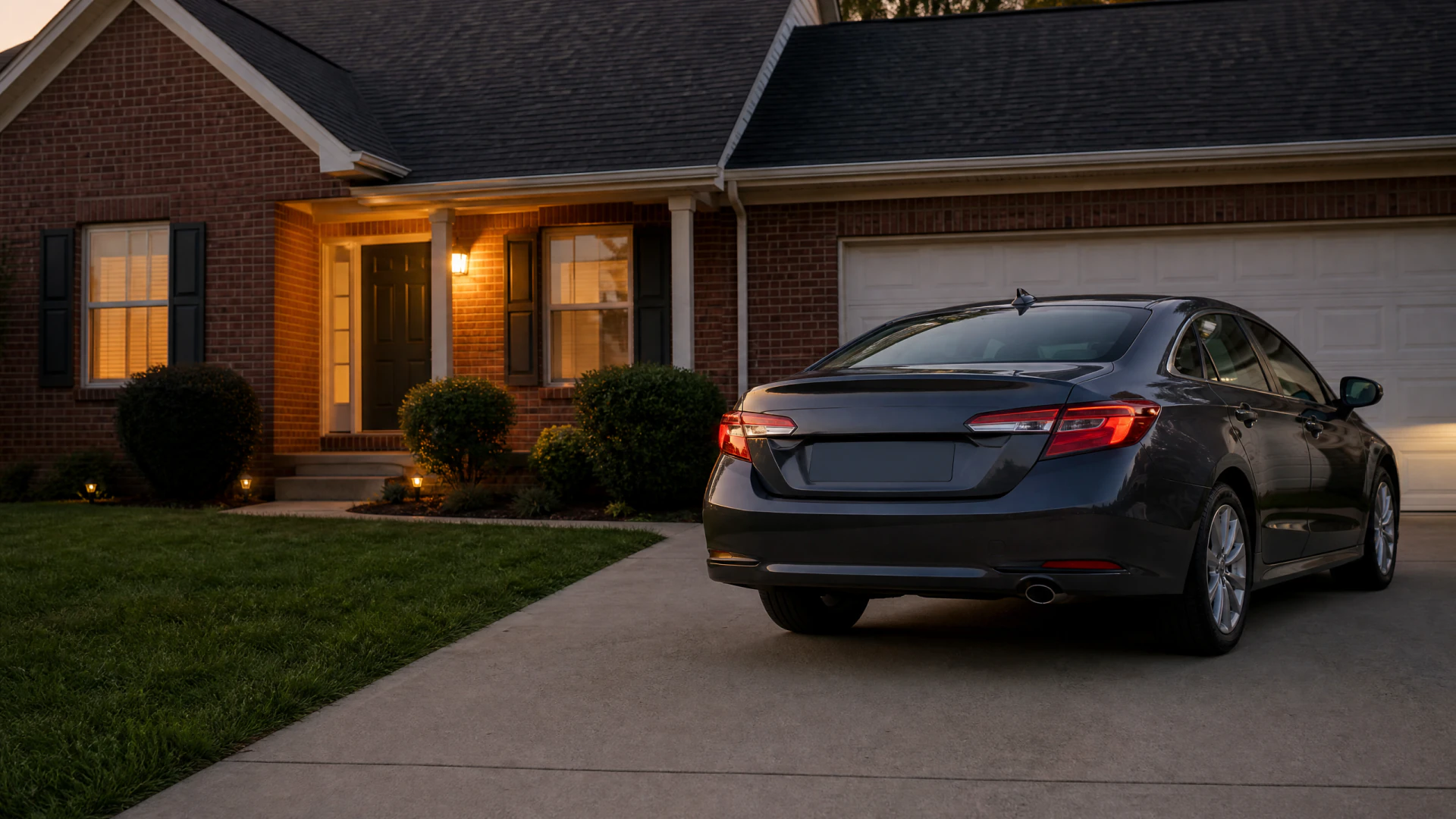
A driveway dent after the move
You park on the street now instead of in a garage like before, and a week after moving in someone clips your mirror overnight. You go to file a claim and see the deductible is higher than you remembered, left over from when you set up the policy years ago to save money each month. You call to ask about lowering it and find out the tradeoff works the other way too.
You decide to leave it as is for the mirror, since the repair cost is close enough to the deductible that claiming it barely helps. But you ask your insurer to show you what the premium looks like with a lower deductible now that you're paying a mortgage and want fewer surprises. You compare the extra monthly cost against the lower amount you'd pay out of pocket next time, and you land on a number in between, higher than you'd like but lower than what surprised you this time.
Should I lower my deductible now that I own a home?
Not automatically. Owning a home changes your finances, but it doesn't by itself change how much risk you can absorb if your car is damaged. What matters is how much cash you could pull together quickly without stress, and whether a higher monthly premium fits your new budget better than a higher one-time cost would.
If your mortgage and other new expenses have tightened your monthly cash flow, a lower deductible that raises your premium might make a bad month worse. If instead you have some savings set aside but want predictable monthly costs, lowering it can make sense. There's no single right answer here, only the one that matches how your money actually moves now.

Now that you know what drives your deductible, compare quotes at the level that actually fits your finances.

Whether you lower your deductible
If you do
Your monthly premium goes up, sometimes by a noticeable amount, but any future claim costs you less out of pocket. This suits you if a surprise repair bill would strain your savings right after buying a home. You'll feel it every month, but less at the moment something goes wrong.
If you don't
Your premium stays lower, which helps right after a move full of new costs. But if you file a claim, you'll owe more before coverage kicks in. This works if you have enough set aside to cover that amount without disrupting your budget.
It's a dial between monthly cost and claim-time cost
A deductible is simply the amount you agree to pay before your insurer pays the rest. Insurers let you choose a higher or lower one because it shifts risk between you and them. A higher deductible means you're taking on more of the small-to-medium losses yourself, so the insurer charges you less every month for that. A lower deductible shifts more of that risk back to the insurer, so you pay more monthly to carry less risk yourself.
Most people's deductible was set years ago, often when a policy was first written or when a lender required certain coverage at the time of a car loan. If you haven't revisited it since, it may no longer reflect your current finances or your current car's value. A deductible that made sense when you were younger or had less in savings might not fit your situation now that you own a home and have different monthly obligations.
There are cases where a high deductible stops making sense entirely, specifically when the deductible is close to the value of the car itself. At that point you're paying for coverage that might barely pay out anything in a claim. It's worth checking your car's current value against your deductible every so often, especially if the car is older.
State rules and insurer policies vary on how deductibles interact with specific coverages, like comprehensive versus collision, and some states set rules around minimum coverage that affect what deductible options are even available to you. Check with your insurer directly about which coverages your deductible applies to, since it doesn't always apply the same way across all of them.
Can I have different deductibles for comprehensive and collision?
Yes, in most cases these are set separately, so you can choose a lower deductible for comprehensive claims like weather or theft damage and a higher one for collision. This is worth doing if you're more worried about one type of event than another, like living somewhere prone to hail but rarely driving in heavy traffic. Check with your insurer how each is priced separately, since the cost tradeoff isn't always equal between the two.
Does bundling my home and car insurance lower my deductible?
Not directly, bundling usually affects your premium through a discount, not your deductible amount. Your deductible stays whatever you choose it to be regardless of bundling. That said, bundling sometimes opens up different policy options or tiers that include different deductible choices, so it's worth asking your insurer directly what changes when you combine policies rather than assuming the deductible itself moves.
Will my deductible go up automatically if I move to a new zip code?
No, your deductible doesn't change automatically, but your premium might because of the new zip code's risk factors like theft rates or accident frequency. The deductible itself stays whatever you last set it to unless you actively request a change. If your premium changed noticeably after your move, that's a separate effect from your location, not your deductible shifting on its own.