Why Did My Car Insurance Go Up After I Moved
Your rate is tied to where your car is parked overnight, so a new address almost always means a new price.
Your address is one of the biggest inputs in your rate
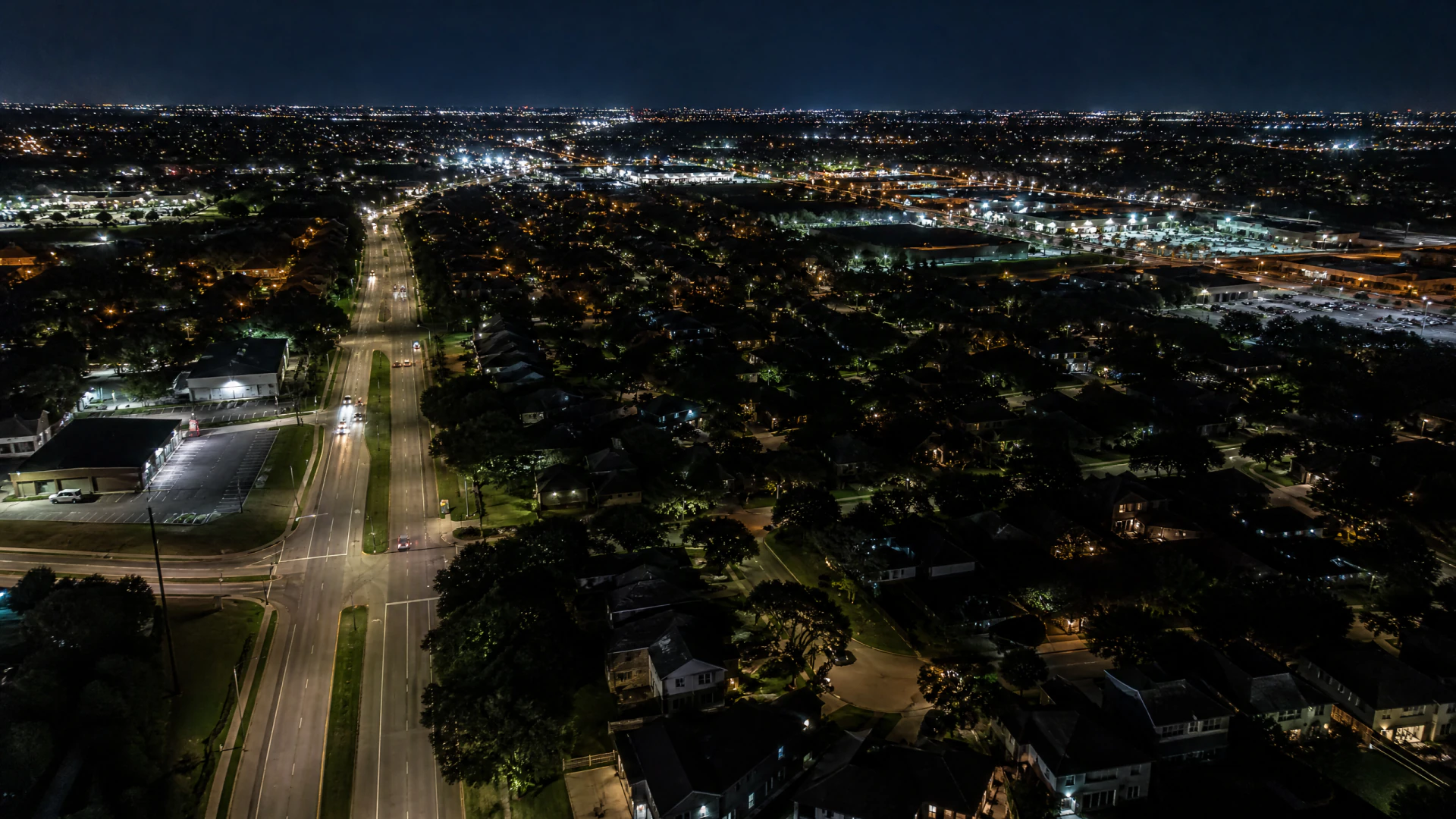
Insurers price a policy around risk, and where you live is one of the clearest signals of risk they have. Your new zip code carries its own history of claims, theft, accidents and weather, separate from your own driving record. Even if you drive the same car the same way you always have, you're now sharing a risk pool with different neighbors, different roads and different local costs for repairs or medical care.
State rules also shift what insurers can factor in and by how much. Some states let insurers weigh territory heavily, others limit it. Minimum coverage requirements differ too, so if you crossed a state line, your policy may now be required to carry different protections than before, which changes the price on its own.
What you do with the car matters as well. A shorter or longer commute changes how many miles you drive each year, and mileage is a direct input into most rate calculations. Parking on the street instead of in a garage, or the reverse, changes the odds of theft or damage, and insurers price that difference.
There are cases where a move lowers your rate instead, if the new area has less traffic, less crime or a garage where you didn't have one before. The direction isn't fixed. What's fixed is that the move itself triggers a recalculation, because the insurer is no longer pricing the address they first wrote the policy for.
A couple who moved across town and saw their rate climb
A couple bought their first home about twenty minutes from their old rental, still in the same metro area. They kept the same cars and the same jobs, so they assumed their insurance wouldn't change much. When they updated their address with their insurer, as they're required to do, the quote came back higher. They almost didn't ask why, figuring it was just a fee for being new homeowners.
Instead they called and asked what changed. Their new neighborhood had a higher rate of claims nearby, and their commute was a few minutes longer each way, adding more annual mileage than they expected. They also learned they now had a garage, which they hadn't had before, and once they reported it, part of the increase came back down. They left the call understanding that the house itself hadn't raised their rate. The address and the driving habits tied to it had.

The increase isn't a penalty. It's your insurer repricing the actual place your car lives now.
Once you know why your rate moved, compare quotes to see whether another insurer prices your new address better.

Whether you report your new address right away
If you do
Your policy reflects where the car actually lives, so claims get paid without a dispute over your real address. You find out quickly what changed and why, while details like mileage, parking and local risk are still fresh and easy to correct if something's wrong.
If you don't
Your policy still shows your old address, which can cause a claim to be delayed, reduced or denied if the insurer finds out later that you'd moved. You also lose the chance to catch billing errors early, and any discount tied to a garage or shorter commute won't apply until you report it.
How long do I have to update my address after moving?
This varies by insurer and sometimes by state, so check your policy documents or ask directly rather than assuming a window. Most insurers expect you to report it close to the move itself, not months later. Waiting too long can cause problems if you file a claim in the meantime, since the insurer may argue they were pricing the wrong risk. The safest move is to update it as soon as your new address is official, even before you've unpacked.
Will bundling my home and car insurance lower the increase?
It might, but it depends on the insurer and how much weight they put on bundling discounts in your state. Bundling can offset part of an increase, though it won't erase a change driven by a riskier zip code or a longer commute. Ask for a quote with and without bundling so you can see the actual difference in dollars, not just the discount percentage, since the starting price matters as much as the discount itself.
Should I raise my coverage limits now that I own a home?
Many people do, because owning a home gives you more to protect if you're found at fault in a serious accident. Insurers can pursue personal assets in some cases, and higher liability limits reduce that exposure. Whether it's worth it depends on your state's rules and how much equity or savings you have. Ask your insurer to show you the cost difference between your current limits and higher ones before deciding.