What Happens if My Car Is Damaged While Parked
If your parked car is damaged, comprehensive coverage pays for it, but only if you carry that coverage and know who hit you.
What determines whether you get paid
- Comprehensive coverage This is the part of your policy that pays for a parked car damaged by something other than a collision with another car you're driving. Check your policy now, because if you dropped it to save money, parked car damage comes out of your pocket.
- Whether you know who did it A hit and run in a parking lot gets treated differently than a known driver backing into your car. If you have the other driver's information, their liability coverage may pay instead of yours, which keeps your own claim history clean.
- Your deductible Comprehensive claims still carry a deductible, so small damage might not be worth filing. Get a repair estimate first and compare it to what you'd pay out of pocket before deciding to file.
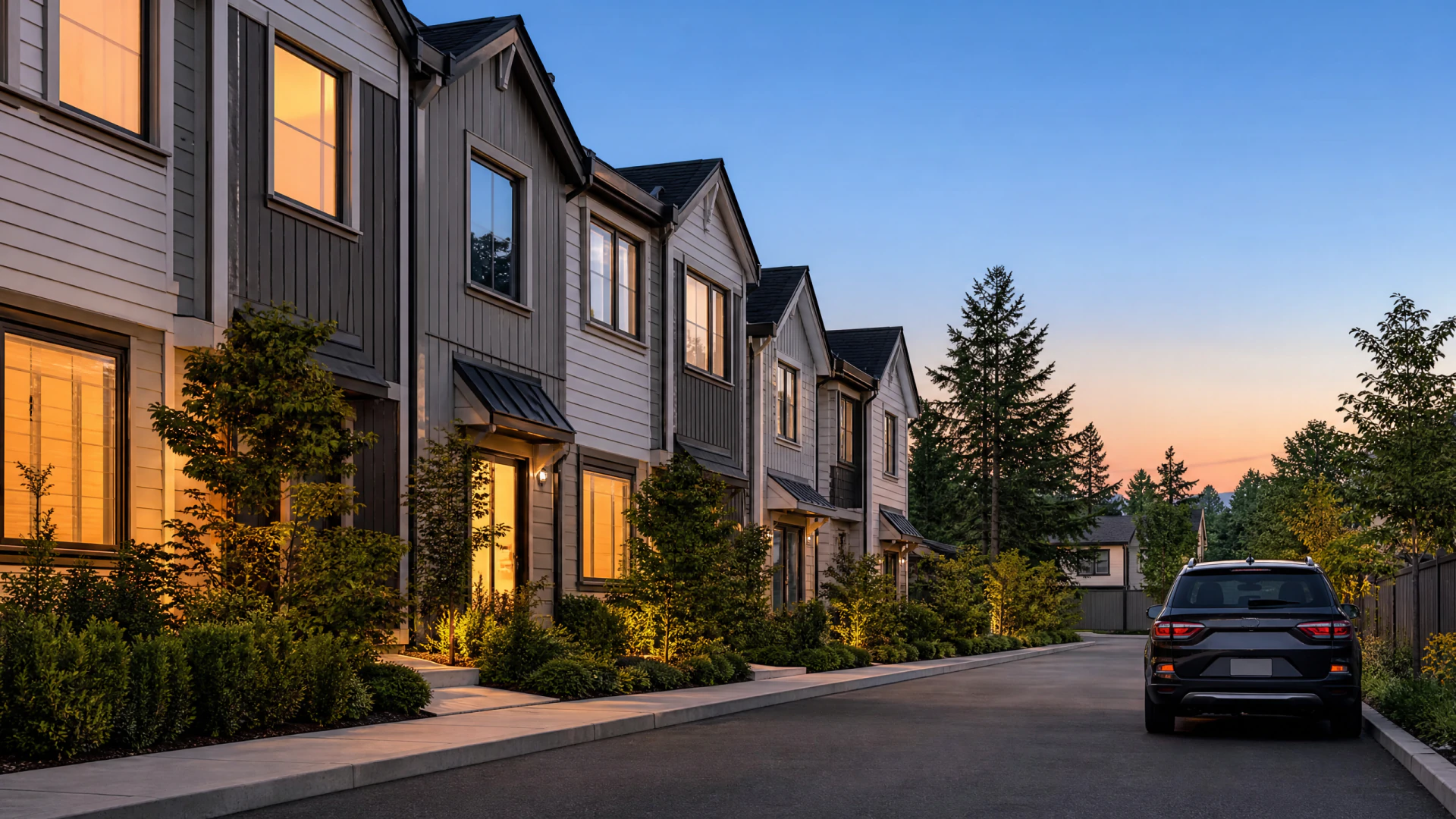
- Where you park A garage or driveway lowers the odds of this happening again, and insurers may ask where the car is kept overnight. Tell your insurer if your parking situation changed with the move, since it can affect your rate either way.
- How a claim affects your rate Comprehensive claims typically affect price less than at-fault accidents do, but that varies by insurer. Ask your agent directly how a parked car claim would affect your renewal before you decide to file.
A shopping cart dents your door while you're inside the store
You come out and find a long dent and scraped paint on the passenger door, no note, no witness. There's no driver to blame and no way to know if it was a cart or another car pulling in too close. This is exactly the kind of damage comprehensive coverage exists for, since it isn't a collision with another vehicle you're driving and nobody stuck around to take responsibility.
You get a repair estimate, and it comes in a bit above your deductible. You call your insurer, file a comprehensive claim, and pay the deductible while they cover the rest. Because it's comprehensive and not an at-fault accident, it doesn't carry the same weight on your record that a collision claim would, though you ask your agent directly to confirm how it affects your specific renewal. The repair gets done, and you start parking a little farther from the cart corral.
Whether you keep comprehensive coverage on your policy
If you do
A dent, cracked windshield, storm damage or theft gets covered once you pay your deductible. You keep paying a little more each term for that protection. If nothing happens, it feels like money spent on nothing, until the one year it isn't.
If you don't
You save a small amount on your premium every term. But any parked car damage, from vandalism to a falling branch to a hit and run with no witness, comes entirely out of your own pocket, often costing far more than the coverage would have.
Now that you know what parked car coverage actually protects, compare quotes to see what it costs to keep or add.
Why parked car damage depends on coverage you chose earlier
Car insurance splits damage into categories based on how it happened, not how unfair it feels. A collision with another car you're driving falls under collision coverage. Nearly everything else, theft, vandalism, falling objects, animals, weather, falls under comprehensive coverage. A parked car that gets damaged almost never involves you colliding with anything, so it lands in the comprehensive category by default.
This is why the coverage you picked when you first got insured matters so much later. If you carry only the minimum your state or lender requires, you may have liability coverage and nothing else, which pays for damage you cause to other people but nothing for damage done to your own car while it sat still. Comprehensive and collision are both optional in most states unless a lender requires them, which is common while you still owe money on the car.
The exception is when another driver is clearly responsible, like someone backing into your car and leaving a note or getting caught on camera. In that case their liability coverage can pay for your repair, and your own comprehensive coverage doesn't need to get involved at all. This is the one scenario where fault still matters for a parked car, because fault determines whose policy pays first.
What varies by insurer is how a comprehensive claim affects your future rate, and how they define edge cases like damage from a falling tree versus a falling tree during a named storm. Ask your insurer directly how they'd handle the specific kind of damage you're worried about, since policies and state rules both shape the details.
Does filing a claim for parked car damage raise my insurance rate?
It can, but usually less than an at-fault collision would, because comprehensive claims aren't treated as your fault. How much it affects your rate still depends on your insurer and your overall claims history. Ask your agent directly before filing, especially if the damage is close to your deductible, since a small claim may not be worth the tradeoff.
What should I do right after finding my parked car damaged?
Take photos of the damage and the surrounding area before you move the car, and look for a note, witness or camera that might identify who did it. Report it to the police if it looks like vandalism or a hit and run, since some insurers require a police report for those claims. Then call your insurer to ask what your coverage includes before you commit to a claim.
Does it matter if my car was parked in a garage versus on the street?
Yes, where you usually park can affect your premium, since cars kept in a garage or driveway are statistically less exposed to weather, theft and other vehicles. If you moved and your parking situation changed, tell your insurer, since it could lower your rate rather than raise it. This detail varies by insurer, so confirm how they weigh it.