How Does Insurance Work if Someone Hits My Parked Car
The other driver's liability coverage pays for your parked car, unless they can't be found, and then your own coverage may step in.
Why the other driver's coverage pays first
Car insurance is built around fault. When one driver causes damage to another person's property, including a parked car, that driver's liability coverage is what pays for it. This holds true almost everywhere, because liability coverage exists specifically to pay for harm you cause to someone else.
The complication is that a parked car can't identify who hit it. If the other driver left a note, stopped, or was identified by a witness or camera footage, their insurer handles the claim the same way it would handle any accident they caused. If they drove off and no one can identify them, you're left without a liable party to file against, and that's when your own policy becomes the only path forward.
Whether your own policy can help at that point depends on what you carry. Collision coverage pays for damage to your car regardless of fault, so it works even in a hit-and-run. Some states and insurers also offer uninsured motorist property damage coverage, which exists for exactly this situation, a driver who caused the damage but can't be made to pay. Not every policy includes it automatically, so check your declarations page or ask your insurer directly whether you have it.
The other variable is your deductible. If you use your own collision coverage, you typically pay your deductible first and your insurer may try to recover that cost from the other driver later if they're ever identified. That's worth knowing before you decide whether filing a claim makes sense for smaller damage.
The short version
The driver who hit your parked car pays through their liability coverage, if they're identified. If they're not, your own collision or uninsured motorist property damage coverage can step in, but you may owe your deductible first. Check your policy now so you know which coverages you actually have.
Will my rates go up if I file a claim for this?
Usually not, if the other driver is identified and their insurer pays. That's considered a not-at-fault claim, and most insurers don't raise your rates for damage someone else caused, since you didn't do anything wrong.
It gets less certain when you have to use your own collision coverage because the other driver couldn't be found. Some insurers treat that claim more neutrally since fault still clearly isn't yours, but others weigh any paid claim, regardless of fault, when they set future rates. This varies by insurer and sometimes by state rules on what can factor into pricing. Ask your insurer directly how they handle not-at-fault claims and hit-and-run claims specifically, before you file, so you're not guessing afterward.
Once you know what your policy covers here, compare quotes to see if better protection is available for less.
Whether you add uninsured motorist property damage coverage
If you do
If a driver hits your parked car and disappears, you have a clear path to get your car fixed without relying on finding them. You may still owe a deductible, but you're not stuck covering repairs entirely out of pocket just because no one stuck around.
If you don't
If a driver hits your parked car and leaves no trace, and you don't have this coverage or collision coverage, you're likely paying for repairs yourself. Many people find this out only after it happens, when there's no good option left but to pay out of pocket.
What to actually do after it happens
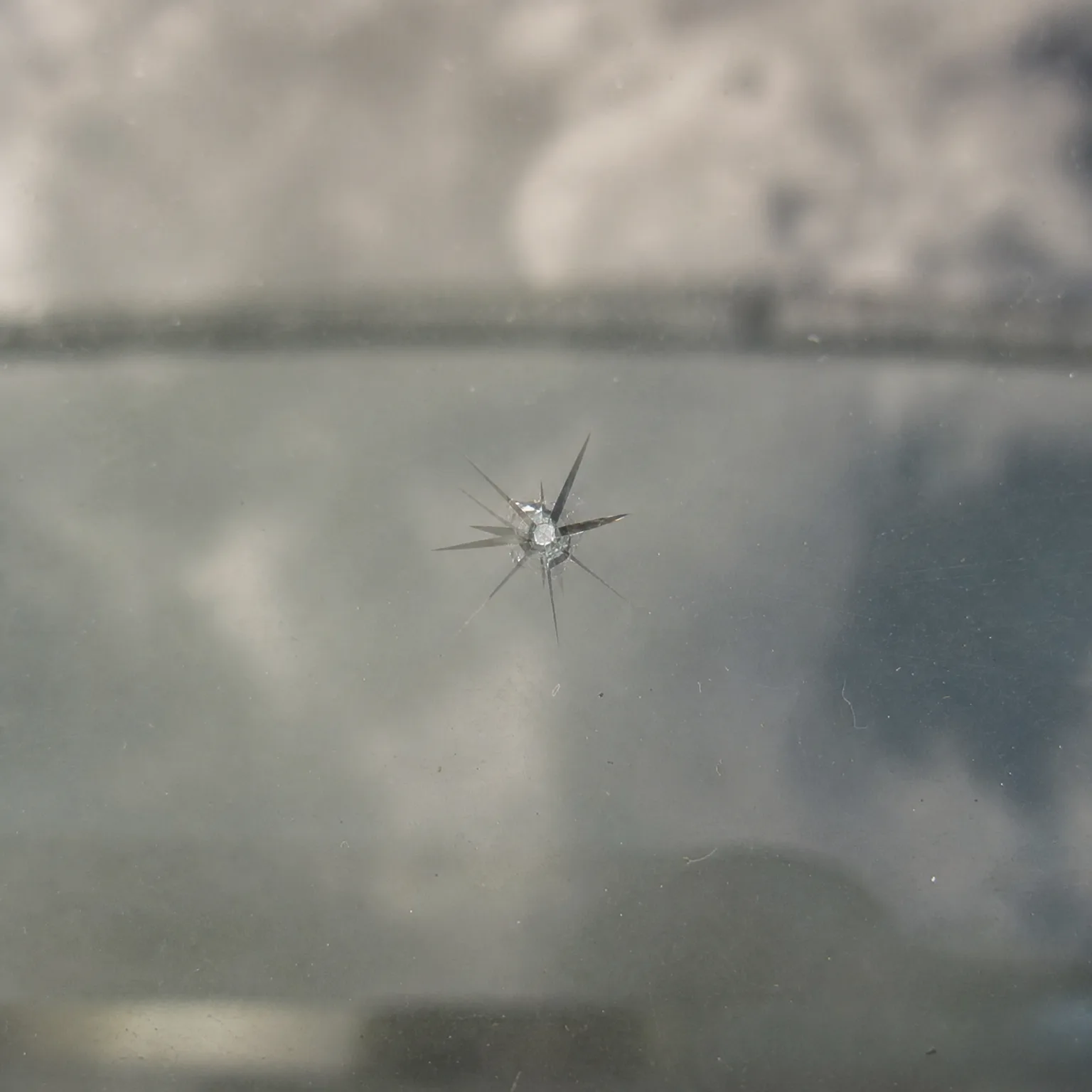
- Document everything immediately Take photos of the damage, the car's position, and the surrounding area. This matters whether or not you find who did it, because it supports any claim you file.
- Look for a note or witnesses Check for a note under your wiper and ask nearby businesses or neighbors if they saw anything or have cameras. This is often the difference between a liability claim and relying on your own coverage.
- Call police for a report A police report creates an official record, which your insurer may require, especially for a hit-and-run. Do this even if the damage seems minor.
- Check coverage before filing Look up whether you have collision coverage or uninsured motorist property damage coverage, and know your deductible. This tells you what filing will actually cost you.
- Ask your insurer directly Ask directly how a not-at-fault or hit-and-run claim is handled under your policy. Insurer practices differ enough that you shouldn't assume based on what a friend experienced.
The real risk isn't the dented car, it's not knowing what coverage you have until the moment you need it.