What Car Insurance Covers Natural Disasters
Comprehensive coverage pays for natural disaster damage to your car, but only if you actually have it on your policy.
What decides whether a disaster is covered
- Comprehensive coverage This is the part that pays for flood, hail, wind, fire and falling trees. Check your declarations page now, because it's optional and often dropped to save money.
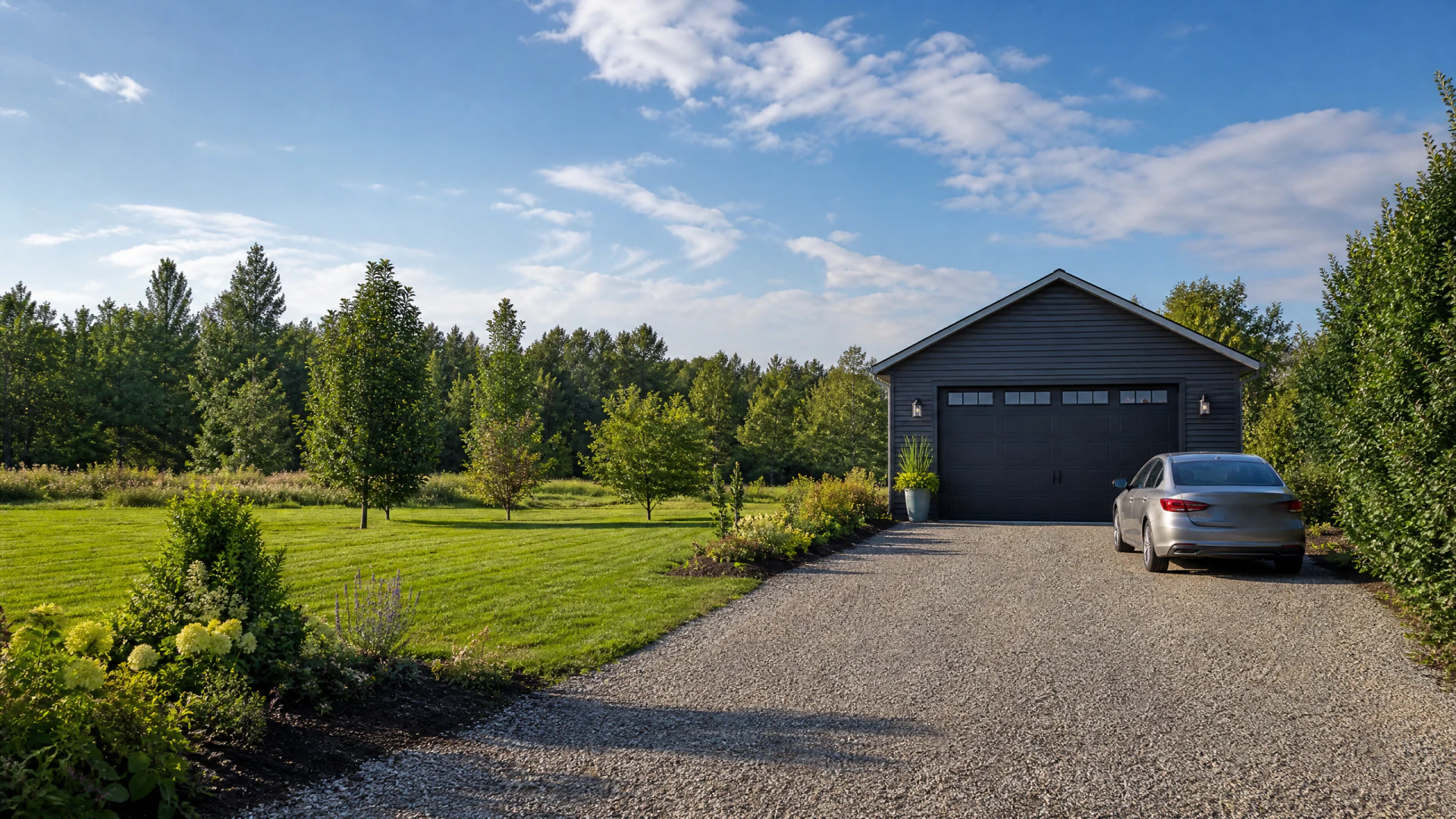
- Where the car was parked Comprehensive covers the car wherever it was sitting when the damage happened, driveway, garage or street. Moving the car into a garage doesn't add coverage, it just lowers your risk of needing it.
- Your deductible amount You pay this amount out of pocket before coverage kicks in, even on a covered disaster claim. After a move, it's worth checking whether your deductible still matches what you'd comfortably pay at once.
- Flood versus comprehensive Car floods are handled by comprehensive auto coverage, not your homeowners or flood insurance. Those policies cover the house, not the vehicle parked next to it.
- Total loss payout If the car is declared a total loss, you're paid its value right before the disaster, not what you owe or what a replacement costs. If you still owe more than that, ask about gap coverage separately.
Does my home insurance cover disaster damage to my car?
No. Your homeowners or renters policy covers the structure and your belongings inside it, but a car sitting in the driveway or garage is excluded even during the same storm that damages your roof.
Your car is covered only through comprehensive coverage on your auto policy. This is true no matter how the damage happened, whether a tree from your yard fell on it or floodwater reached it in a garage attached to your house. The two policies don't overlap on vehicles, and insurers draw that line firmly.
If you're not sure whether you have comprehensive coverage, that's the first thing to check before assuming your home policy has you covered. It won't, and finding that out after a disaster is the expensive way to learn it.
Disaster coverage for your car is optional, and nothing warns you it's missing until after the damage is done.
Once you know whether comprehensive coverage fits your new home and risks, compare quotes to see what it actually costs.

Carrying comprehensive coverage or dropping it
If you do
If a storm, flood, hail or fire damages your car, you file a claim, pay your deductible, and the rest is covered up to the car's value. Your new address and any new risks like flooding or wildfire are already accounted for in what you're paying.
If you don't
If disaster strikes your car, you pay for all of it yourself, repair or replacement, no claim to file. This is sometimes a reasonable choice for an older car worth little, but it's a risk most people don't realize they're carrying until the damage is done.
A storm two towns over than they expected
A couple moved from an apartment with covered parking to a house with just a driveway. They kept their old policy as is, figuring nothing about their coverage needed to change since they were still driving the same cars. A few months later, a wind storm brought down a large branch that crushed part of the windshield and dented the hood.
They called their insurer assuming they'd pay for it themselves, since neither of them had been in an accident before and they weren't sure how this kind of damage worked. It turned out their policy already included comprehensive coverage from years earlier, so the claim was covered after their deductible. The repair cost them far less than expected, but they also realized they'd been paying for that coverage without knowing it protected exactly this kind of damage. They used the moment to actually read their policy and raise their deductible slightly, since they could now afford to cover more upfront in exchange for a lower monthly payment.
Why disaster coverage works differently than accident coverage
Car insurance splits into coverage for things you do, like hitting another car, and coverage for things that happen to you, like weather or falling objects. The first kind is usually required. The second kind, comprehensive coverage, is usually optional, which is why it's the piece people forget they have or forget to add.
Insurers treat disasters this way because the risk isn't about how you drive. A hailstorm doesn't care if you're a careful driver, so this coverage is priced more around where the car lives and what kinds of weather or events are common there. That's also why moving can change what this coverage costs, even if your driving habits haven't changed at all.
The deductible exists for the same reason deductibles exist everywhere in insurance. It keeps small, easily affordable damage out of the claims process, so coverage stays focused on the losses that would actually hurt to pay for alone. Choosing a higher deductible lowers your ongoing cost in exchange for carrying more of the small stuff yourself.
Where this gets complicated is when more than one policy could plausibly apply, like a garage fire that damages both the structure and the car inside it. In cases like that, each policy covers its own piece, the home policy for the garage, the auto policy for the car, and you may end up dealing with two claims instead of one.