What Is an Act of God Called in Car Insurance
It's called comprehensive coverage, and it's what pays for storm, flood, hail, fire and falling-object damage to your car.
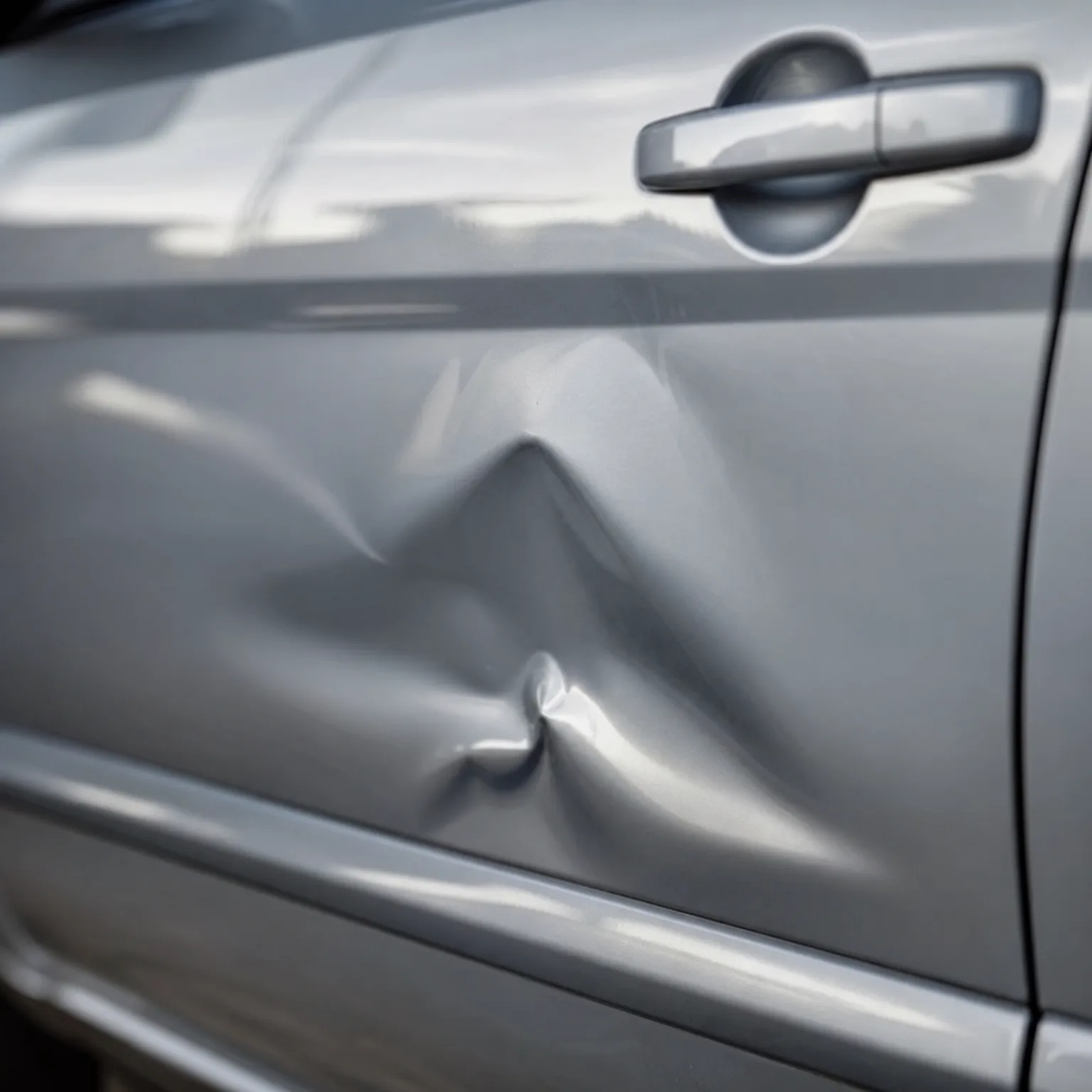
A tree branch and a hailstorm, one season apart
A couple in their new house parked under a large oak because their old apartment never had street parking rules to think about. A spring storm brought down a branch that dented the hood and cracked the windshield. They had kept their policy as it was since buying the car years earlier and didn't actually know what it covered until they called to ask.
Their policy had comprehensive coverage because their lender had required it when they financed the car, and it was still there even though no one had mentioned it since. It paid for the repair, minus the deductible they chose. A few months later, hail hit the neighborhood and dented the roof of the other car, the one they'd added full coverage to just to match. That claim went just as smoothly. Neither event was anyone's fault to assign, and that was exactly the point of having that coverage in the first place.
Does comprehensive coverage cost more where you live now?
It can, and the new zip code is exactly why you should check. Comprehensive pricing reflects local risk, things like weather patterns, flooding, wildfire, theft rates and even deer strikes in your area. A move from an apartment to a house, or between regions, can shift that number in either direction.
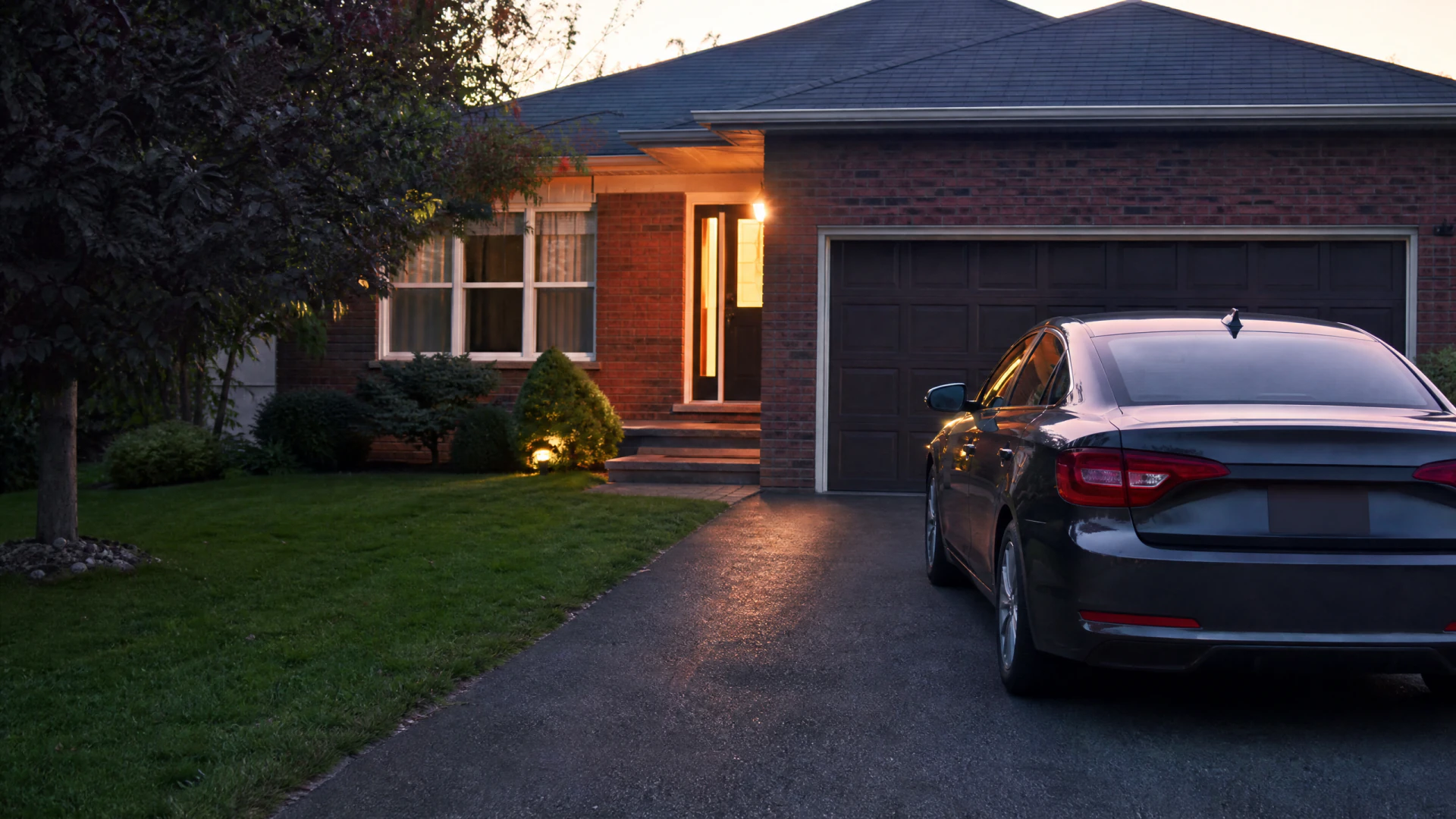
Where you park matters too. A garage or covered driveway usually works in your favor since it lowers exposure to weather and theft, and insurers often ask about parking when you update your address. This is a good moment to confirm your address is current with your insurer, since pricing and coverage decisions are based on where the car actually lives, not where it was registered when you bought the policy.
This coverage is optional, not automatic, so you have to confirm it's actually on your policy.
Now that you know what covers storm and disaster damage, compare quotes to see what it costs at your new address.

What to check now that you know the name of this coverage
- Confirm it's on your policy Comprehensive isn't required by law, only sometimes by lenders. Look at your declarations page or call your insurer to confirm it's actually there.
- Check your deductible amount This is what you pay before coverage kicks in for storm or disaster damage. A lower deductible means more protection but a higher premium, so weigh that against what you could actually afford after a bad storm.
- Update your garaging address Comprehensive pricing is based on where the car is actually kept overnight. Tell your insurer your new address so your coverage and pricing reflect reality.
- Mention your covered parking Covered parking can lower your risk profile for weather and theft claims. Ask your insurer if this changes your rate.
- Ask about regional risks Flooding, hail, wildfire and animal strikes vary a lot by area. Ask your insurer what risks are common where you live now so you understand what you're actually paying for.
Why this coverage exists separately from the rest of your policy
Car insurance is built around the idea of fault. Liability coverage exists because someone caused a crash, and collision coverage exists because your car hit something or something hit it. Weather and disaster damage doesn't fit that model because there's no driver to blame and no collision to point to. Comprehensive coverage was created to handle exactly that gap, the damage that happens to your car when nothing and no one on the road was responsible.
This is why comprehensive is priced and sold separately from the rest of your policy. Insurers look at it as a different kind of risk, tied more to geography and environment than to how you drive. That's why your new address matters so much. A move to an area with more severe storms, more wildlife, or higher flood risk can change this part of your bill even if your driving record hasn't changed at all.
There are cases where this plays out differently. Some events that feel like acts of nature, like hitting a deer, are sometimes classified under comprehensive by one insurer and collision by another, so it's worth asking how your specific insurer draws that line. Flood damage is also treated inconsistently depending on the cause, since water damage from a storm surge versus a burst pipe in your garage may not fall under the same coverage at all.
This is also why bundling with your home policy sometimes matters here. Insurers who see both your home and car risk together may price comprehensive differently, since they already have a fuller picture of your exposure to local weather and disaster risk.
Does comprehensive coverage cover a cracked windshield?
Yes, in most cases, if the crack came from something like a rock, hail, or debris rather than a collision. Comprehensive typically covers glass damage from non-collision events, though some insurers offer separate glass coverage with no deductible. Check your policy wording or ask your insurer directly, since this is one of the more commonly misunderstood parts of comprehensive coverage.
Is flood damage to a car covered by comprehensive insurance?
Usually yes, if comprehensive coverage is on your policy, since flooding is treated as a natural event rather than a collision. The exception is if the water damage comes from something like a mechanical failure or neglect, which may be excluded. Always confirm with your insurer how they define flood damage, since definitions can vary by company and sometimes by state.
Will filing a comprehensive claim raise my car insurance rate?
It can, but often less than a collision claim would, since comprehensive events aren't your fault. Some insurers offer forgiveness for a first comprehensive claim or don't factor it into your rate the same way. This varies by insurer and sometimes by state, so ask your company directly how they treat these claims before you decide whether to file.