Local Insurance Agent vs Broker
An agent represents one insurance company, while a broker shops your situation across several, and that changes who's working for you.
Who they answer to shapes what they offer you
An agent, sometimes called a captive agent, works for one insurance company and sells only that company's policies. They know that company's products well and can move fast, but they can't tell you if a competitor would charge less for the same coverage, because that's not their job.
A broker, sometimes called an independent agent, works with several insurance companies at once. When you tell them about your new home, your cars, your new zip code, they can check pricing and coverage across those companies and bring back options. That matters most right when you're making several decisions at once, the way you are now with a new mortgage and a homeowners policy already in place.
The tradeoff is that a broker's options are limited to the companies they work with, which varies by broker. Some carry a handful of insurers, others carry many more. An agent, meanwhile, might have more flexibility within their one company's products than you'd expect, especially around bundling home and auto, since that's often where captive agents compete hardest.
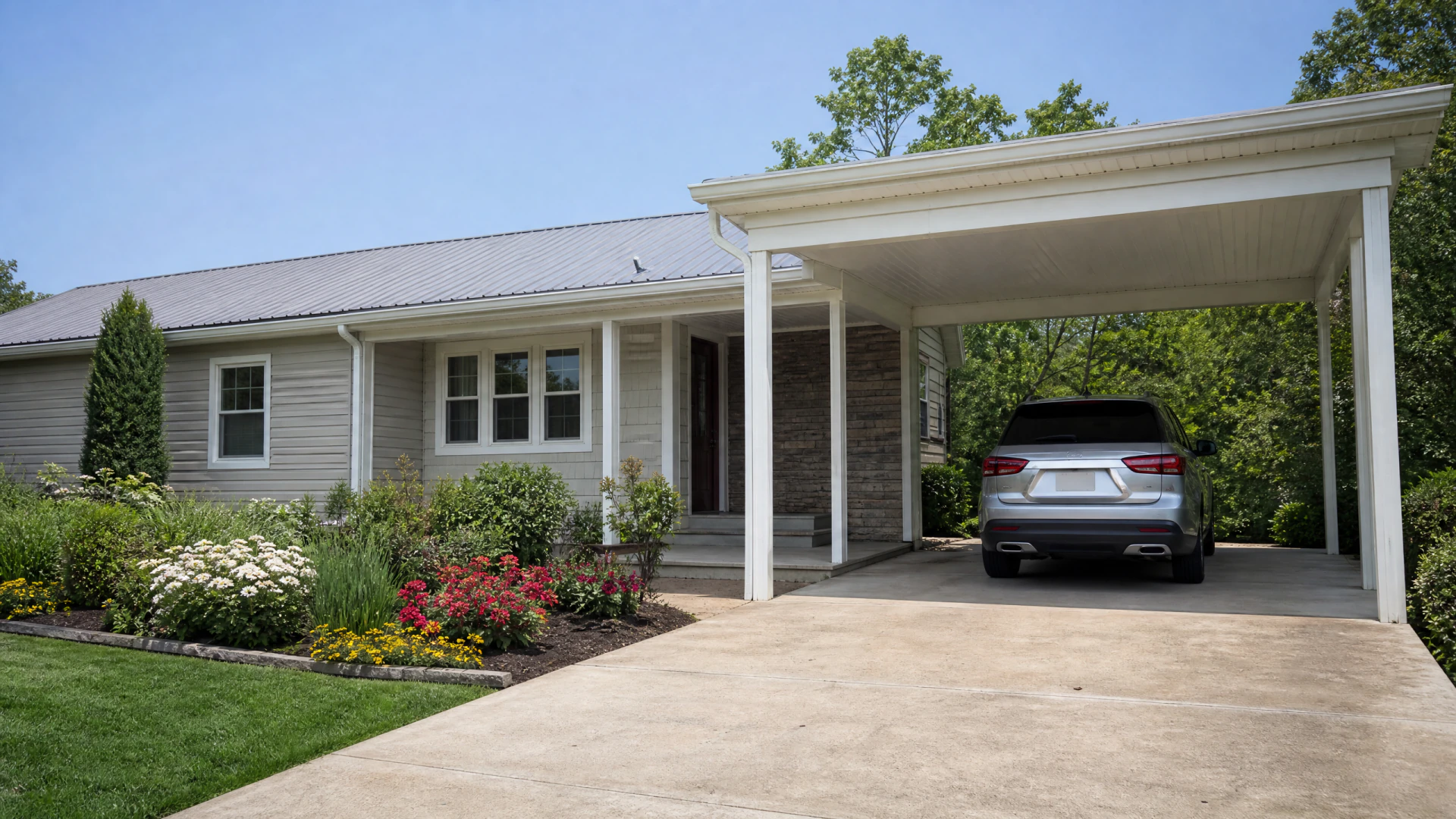
Neither structure guarantees a better price or better service. What matters is whether the person you're talking to can actually see your new situation clearly, your address change, your garage, your bundling options, and explain how each choice moves your rate. Ask how many companies they represent before you ask anything else.
The short version
An agent sells one insurer's policies, a broker compares several. If you want your new address, garage, and bundling options checked against multiple companies at once, a broker does that by default. An agent can still work if their one company fits you well, so ask what they offer before deciding.

What actually changes between the two
- Who they represent An agent works for one insurance company. A broker works with several, so they can compare pricing for your new address and coverage needs across options.
- Bundling home and auto Agents often push bundling hard since it's one sale through one company. Brokers can bundle too, but will also check if separate companies beat the bundled price.
- Speed versus comparison An agent can usually quote and bind coverage faster since there's one system involved. A broker takes a bit longer but shows you more than one answer.
- Local knowledge varies Both can know your area well, this depends on the person, not the title. Ask how long they've worked in your zip code and with your type of home.
- Who to call after a move If you already have an agent or broker, call them first about your new address before shopping elsewhere. They may already have what you need without starting over.
Now that you know who you're really talking to, compare quotes from both kinds of sources side by side.
Will a broker actually get me a lower price than a captive agent?
Not always, and there's no way to know without checking. A broker widens the search, but if the agent's one company already prices your new zip code and home type well, their single quote might beat what the broker's several companies offer.
What a broker does guarantee is comparison, not savings. You'll see more options side by side instead of trusting one company's number alone. For someone who just took on a mortgage and is watching every cost, that comparison is worth having even if it confirms your current agent was already competitive. The way to know for sure is to get quotes from both and look at the actual numbers for your address, your cars, and your coverage limits, not the reputation of agent versus broker in general.

Can I switch from a captive agent to a broker without losing my current coverage?
Yes, you can switch anytime without a gap in coverage if you time it right. Get your new quote and confirm the start date before canceling the old policy, so there's no lapse. Check whether your current policy has a cancellation fee, since that varies by insurer and state, and ask your new broker to handle the cancellation paperwork for you.
Does bundling home and auto save more with an agent or a broker?
It depends on whether the agent's single company prices your bundle well or the broker finds a better bundled pair elsewhere. Captive agents often have strong built-in bundle discounts since everything routes through one insurer. Brokers can match you with whichever two companies, or even one company, bundle best for your specific home and cars, so ask both for the bundled number before comparing.
How do I find a broker who knows my new neighborhood well?
Ask directly how many years they've written policies in your zip code and how many homes like yours they've insured. Local knowledge affects how well they can flag things like garage access, distance to a fire station, or theft rates that affect your rate. This varies a lot by individual broker, not by broker versus agent, so the question matters more than the title on their door.