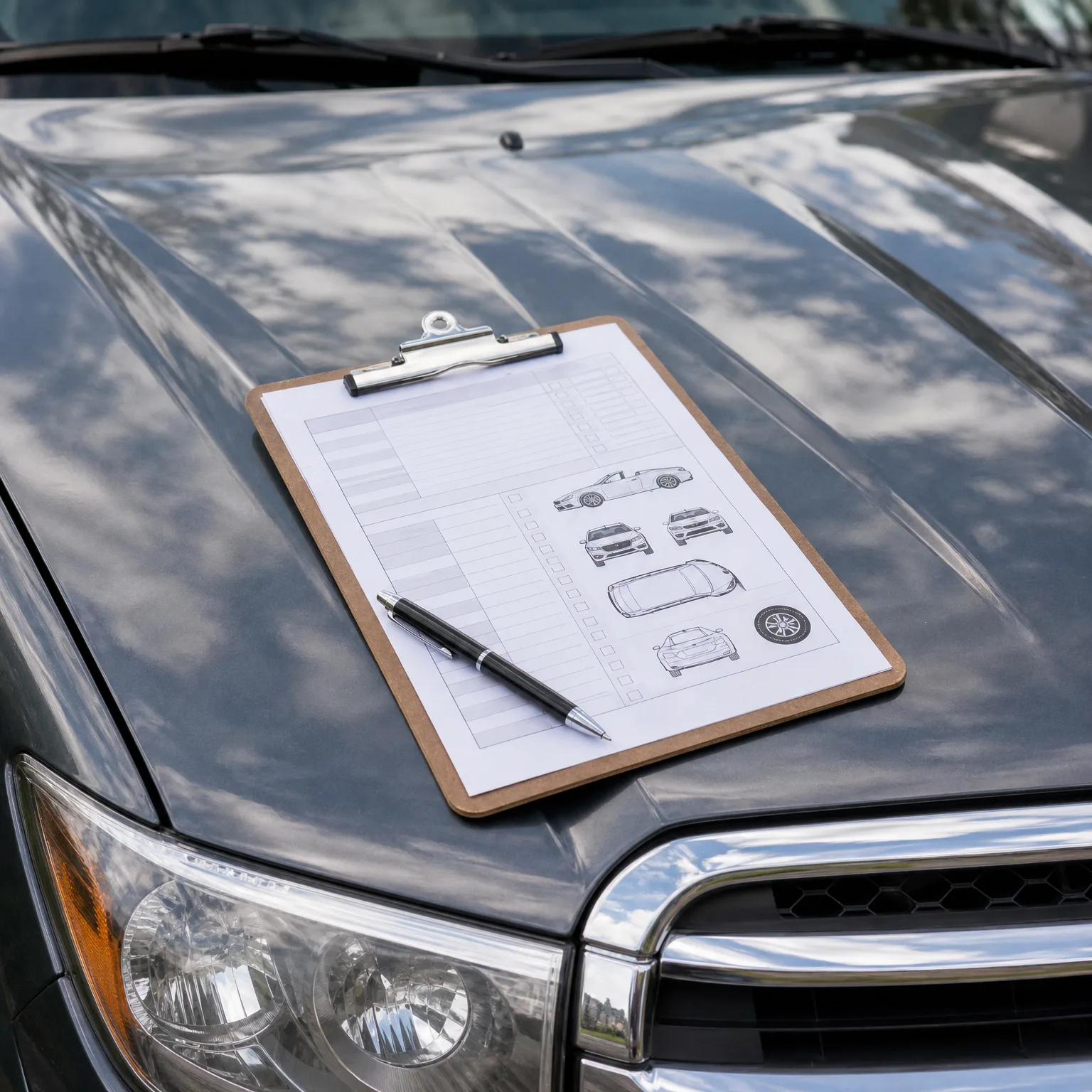
Shopping Car Insurance After a Move
Moving changes your rate, so updating your address and then comparing quotes is how you make sure you're not overpaying.
Your address is one of the biggest things insurers price on
Insurers set your rate using where your car sits overnight. That zip code tells them about accident rates, theft, weather exposure and how often claims get filed nearby. Move from a dense city block to a quiet suburb with a garage, and the math behind your premium changes even though nothing about how you drive is different.
This is also why your old policy might suddenly look expensive or cheap for the wrong reasons. If your new area has more claims or higher repair costs, your current insurer may raise your rate to match. If it's safer, they might not lower it automatically, since insurers don't always revisit pricing unless you ask or your policy renews.
Bundling with your new homeowners policy can help, but it isn't guaranteed to win. Some insurers price auto and home together to encourage the combination, others barely move the number. What matters is comparing the bundled offer against a standalone car policy from a different company, because the discount only matters if the base price is competitive to begin with.
State rules add another layer. Some states limit how much location can affect pricing, others let it swing more freely, and whether you need to notify your insurer by a deadline after moving also varies. Check your state's requirements and your policy's terms directly, since assuming the old rules still apply is how people end up uninsured on a technicality.
A couple who moved from an apartment to a house with a driveway
They'd been with the same insurer for years, paying a rate set for city street parking and a short commute. After buying a house in a quieter suburb with a garage, they called their insurer to update the address, expecting a small adjustment. The quote came back lower, but they weren't sure if it was a good lower or just an easy one.
They spent an evening getting quotes from two other companies using the same coverage limits, mentioning both the new address and the home insurance they'd need to place somewhere. One competitor beat the renewal price even without a bundle, and when they added the home policy to that same company, it dropped further. They switched both policies together, and the whole comparison took less time than unpacking a single box.

Updating your address right after you move
If you do
Your rate reflects where the car actually lives, so claims get handled without disputes about garaging location. You'll see your true new rate immediately, good or bad. This also sets you up to compare that number against other insurers while the details are fresh and accurate.
If you don't
Your insurer is pricing risk for a location you no longer live in, which can cause issues if you file a claim and the garaging address looks wrong. Some policies treat this as a misrepresentation. You also won't know your real new rate, so you can't tell if shopping around would save you anything.
Compare quotes with your new address so switching, staying, or bundling is based on real numbers, not guesses.
Should I bundle home and auto, or keep them separate?
Bundle only if the combined price actually beats separate policies from competitive insurers. Bundling is a convenience and sometimes a discount, but it isn't automatically the cheapest path, and some insurers count on people not checking.
The way to know is to price your auto policy on its own with a couple of companies, price your home policy on its own, then compare that total against a bundled quote from one insurer. Whichever total is lowest for the coverage you actually want is the right answer, regardless of whether it's bundled or split. Revisit this comparison at renewal too, since bundle pricing can drift over time.

What actually changes when you move, and what to do about each
- Your garaging address This is the single biggest factor insurers reprice on after a move. Update it with your insurer right away so your coverage and your quote both reflect reality.
- Your commute distance Driving less or more each day changes your risk profile in the insurer's eyes. Tell your insurer your new typical mileage, since a shorter commute can sometimes lower your rate.
- Where the car parks overnight A garage or driveway is generally treated differently than street parking. Mention this when you update your policy or get quotes, since it can affect theft and damage risk pricing.
- Your state's requirements If you moved to a new state, the required coverage types and limits may be different. Check your new state's requirements directly so your policy is actually compliant, not just similar to before.
- Your bundling options Having a new homeowners policy gives you a bundling opportunity you didn't have before. Get a bundled quote and a separate quote side by side before deciding which is cheaper.
Do I have to tell my car insurance company when I move?
Yes, you're generally required to update your address, since it's used to determine your rate and coverage area. Not reporting it can be considered a misrepresentation that affects claims later. Check your policy's specific language, since some insurers are stricter about timing than others, and some states set rules about how soon you must notify them.
Will my car insurance go up if I move to a different state?
It depends entirely on that state's typical rates, required coverage, and claim patterns, so it could go up or down. States price risk differently based on local factors like accident frequency and repair costs. The only way to know is to get a quote for your new state directly, since your old state's rate tells you very little about the new one.
How soon after moving should I shop for new car insurance quotes?
As soon as you've updated your address with your current insurer, so you're comparing your real new rate against others. Shopping before updating means comparing against an inaccurate baseline. Give yourself a short window to gather a few quotes, since rates can shift and insurers sometimes run different offers at different times.